Fichthorn leaves Sioux City for Halifax under new USHL agreement
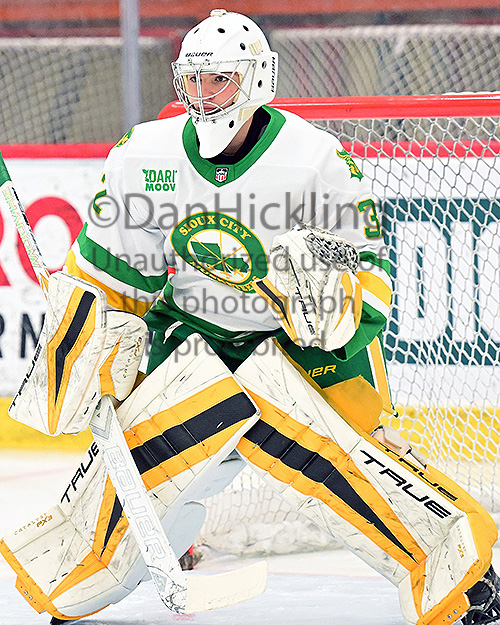
Jack Fichthorn secured a release from the Sioux City Musketeers and was set to join the QMJHL’s Halifax Mooseheads, becoming the first player to leave under the USHL’s new Standard Player Development Agreement. That makes a routine roster move something bigger: the league’s new contract structure got its first real stress test, and it came on a goalie switch that cuts straight to how much control the USHL can actually keep.
The USHL announced the Standard Player Development Agreement on April 1, 2026, and described it as a player-first development model built to strengthen player development across member clubs. Fichthorn’s exit put that promise under a microscope immediately. If a player can leave Sioux City for major junior in Halifax, the question is not whether the agreement exists, but how much leverage it really gives the league when a top prospect wants out.
That matters in the USHL more than almost anywhere else in North American junior hockey. USA Hockey says the USHL is the only Tier I junior league in the United States, which means departures from the league can reshape both NCAA and major junior pathways. A goalie moving from Sioux City, Iowa, to Halifax, Nova Scotia, is not just changing teams. He is moving between development systems that sit on opposite sides of one of junior hockey’s most watched fault lines.

The timing also fits Halifax’s aggressive offseason. The Mooseheads had already been active ahead of the 2026 CHL Import Draft, including a massive trade and holding the No. 20 pick in the draft. Fichthorn’s addition would drop into a roster retool already built around importing talent and reshaping the depth chart before the season even begins.
The twist is that Sioux City later posted, “Jack is BACK,” and said Fichthorn had signed his Standard Player Development Agreement and would return to Sioux City next season. That detail makes the situation even more revealing than a clean transfer would have been. Whether the move was reversed or renegotiated, it showed that even under the new agreement, elite players still appear to have meaningful exit leverage, and the league is still learning how hard it can actually hold the line.
Sources
- [1]x.com
- [2]ushl.com
- [3]usahockey.com
- [4]chl.ca
- [5]oursportscentral.com