FIP certification rules shape which padel balls can be used officially
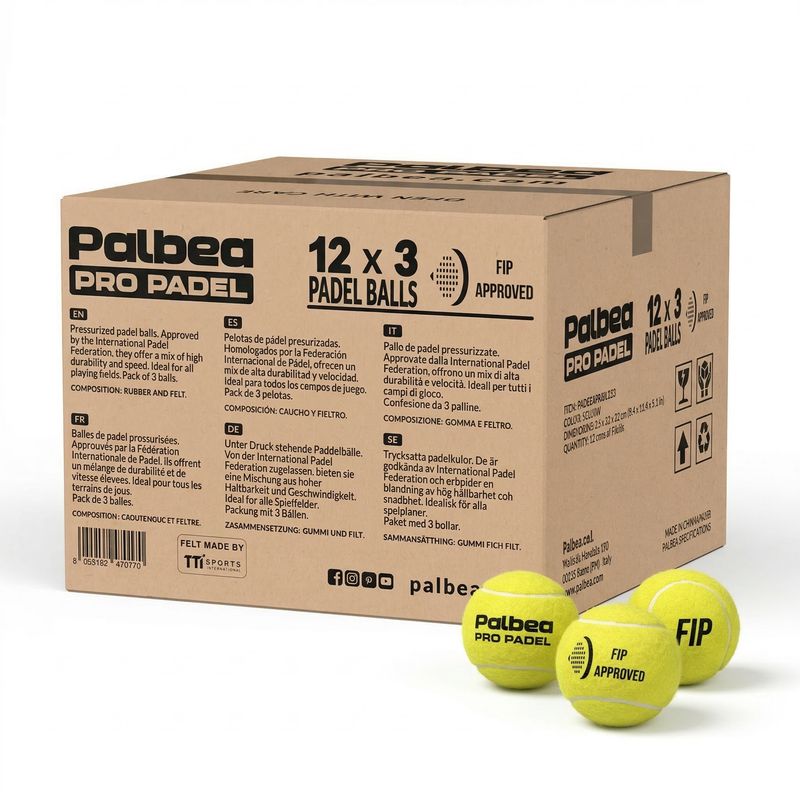
Put the wrong padel ball on court and the game changes before the first serve. Bounce, speed and durability sit inside the International Padel Federation’s certification rules, and only balls on the official FIP list can be used in official-calendar events. For clubs, coaches, tournament organizers and serious amateurs, that makes ball choice a compliance issue, not a shopping preference.
Why the FIP treats the ball like infrastructure
The FIP does not treat padel balls as generic consumables. Its approval system was built to standardize international manufacturers and the products they sell, and the testing procedures for calendar year 2017 began on April 1, 2017. The federation says tests and measurements must follow ISO standards and be recorded in SI units, which is the sort of detail that keeps equipment checks from becoming guesswork.
That standardization matters because the FIP’s approval is not a one-and-done stamp. Certification must be renewed every two years, so a ball line that was approved once does not stay approved forever by default. In practical terms, the brand on the can is only half the story; the current approval status is what decides whether that ball belongs in a sanctioned event.
Two ball categories, two different match environments
The Rules of Game of Padel recognize two categories: standard ball and high-altitude ball. That split is the clearest sign that a padel ball is not just a padel ball, because venue geography changes how the sport plays. A match at sea level and a match in thinner air are not supposed to feel identical, and the equipment rules reflect that.
One FIP document adds a hard technical condition for pressureless standard balls: they must be acclimatized for at least 60 days at the altitude where the event will be played. The same document says pressureless balls may be used above 1,219 meters above sea level and must have internal pressure no greater than 7 kPa. Those are not cosmetic requirements. They are the guardrails that keep a ball’s bounce and speed within the federation’s standards when altitude starts to influence how the ball behaves.
Where the rule actually bites: official competition

The line is bright. Only balls certified and approved by the FIP may be used in tournaments and competitions that are part of the official calendar, including FIP Championships, Premier Padel, the CUPRA FIP Tour and FIP Promises. That means the question is not simply whether a ball is “good enough” or popular in a club pro shop. If it is not on the approved list, it does not belong in those events.
For tournament organizers, that requirement reaches every layer of the event. Referees and umpires need to know the ball in play matches the official list, and national associations need the same certainty when they stage sanctioned competition. The rule also gives players a clean standard: if the ball is certified, the match is being played under the same equipment framework as the rest of the official calendar.
How certification becomes a market signal
The approval system is also a branding tool. The FIP says certification can be used on packaging, websites, communications and advertisements, and it provides FIP APPROVED logos for companies to use. That turns a regulatory mark into a consumer signal, because the logo tells buyers and event staff the product has passed the federation’s process.
The 2025/26 approved-ball list shows how broad the field is. Adidas/All For Padel, Bullpadel, Babolat, Dunlop, Siux, Kuikma from Decathlon and Drop Shot all appear on the list, which tells you the category is not controlled by one dominant name. Approval is a recurring competitive race among established sports-equipment companies, and the logo on the tube is part of how they fight for shelf space and tournament trust.
Premier Padel shows how the system works at tour level
Premier Padel put the framework into practice on January 24, 2024, when it announced Wilson as its official ball supplier. The tour said Wilson developed two exclusive balls for its events, the Premier Padel Speed and Premier Padel balls, and it said its 2024 calendar included 25 tournaments in 18 countries. That is the clearest example of how an elite tour translates a certification regime into a commercial and sporting partnership.

The details matter because they show the chain from federation rule to tour product to tournament experience. FIP approval sets the technical floor, then Premier Padel and Wilson build a tour-specific offering on top of it. For players, that means the ball they see on broadcast is not an afterthought. It is part of the tour’s identity, the calendar’s logistics and the sport’s competitive balance.
What clubs and serious players should actually check
The safest habit is simple: verify the model, the approval status and the venue category before play. A can that is acceptable at one altitude or in one season is not automatically the right choice for every official event, especially when the FIP distinguishes between standard and high-altitude balls and ties approval to renewal every two years.
The practical checklist is short:
• confirm the brand and model appear on the current FIP-approved list • match the ball category to the venue, especially if altitude is a factor • treat pressureless balls with the same discipline the FIP applies to acclimatization and pressure limits • assume official-calendar events will be judged against the federation rulebook, not a club habit
That is why padel balls are not interchangeable in the way casual players sometimes assume. The certification system shapes bounce, speed, pressure and durability, but it also shapes who gets to host an official event and which manufacturers can claim a place on the sport’s biggest stages.
Sources
- [1]padelfip.com
- [2]premierpadel.com
- [3]padeli.com