FIP opens applications for national federations in 2027 calendar cycle
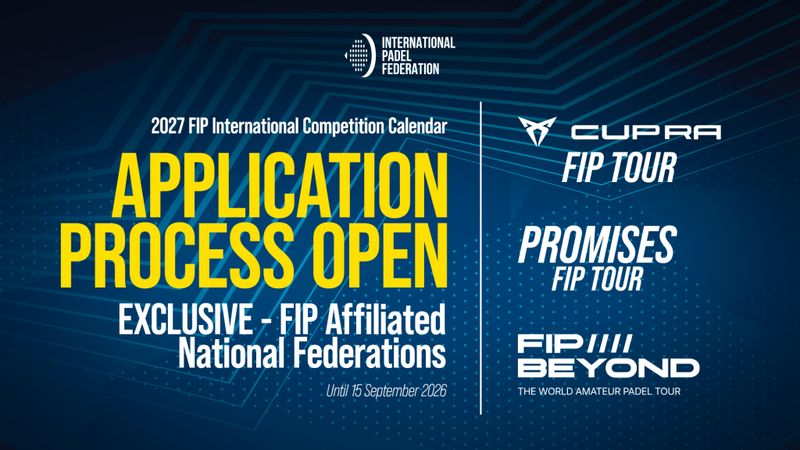
The International Padel Federation opened applications for its 2027 international competition calendar on July 20, giving affiliated national federations an early chance to secure places in the sport’s global schedule. FIP, founded in 1991 and styled as padel’s world governing body, is using the calendar process to shape everything from national-team pathways to host-city opportunities.
For federations, the timing matters as much as the announcement itself. A confirmed calendar lets national bodies line up training camps, qualification campaigns, travel budgets and sponsor commitments months in advance, while also giving players a clearer route from domestic events into FIP-sanctioned competition. That affects juniors, seniors and developing padel nations alike, especially those trying to turn domestic momentum into regular international appearances.

The reach of that calendar is wider than it was a year ago. FIP said in November 2025 that 14 new national federations joined at its 35th General Assembly in Acapulco, Mexico, lifting membership to 100 federations. That expansion gives the 2027 planning cycle more applicants, more potential hosts and more pressure to spread events across regions rather than concentrate them in a handful of established markets.
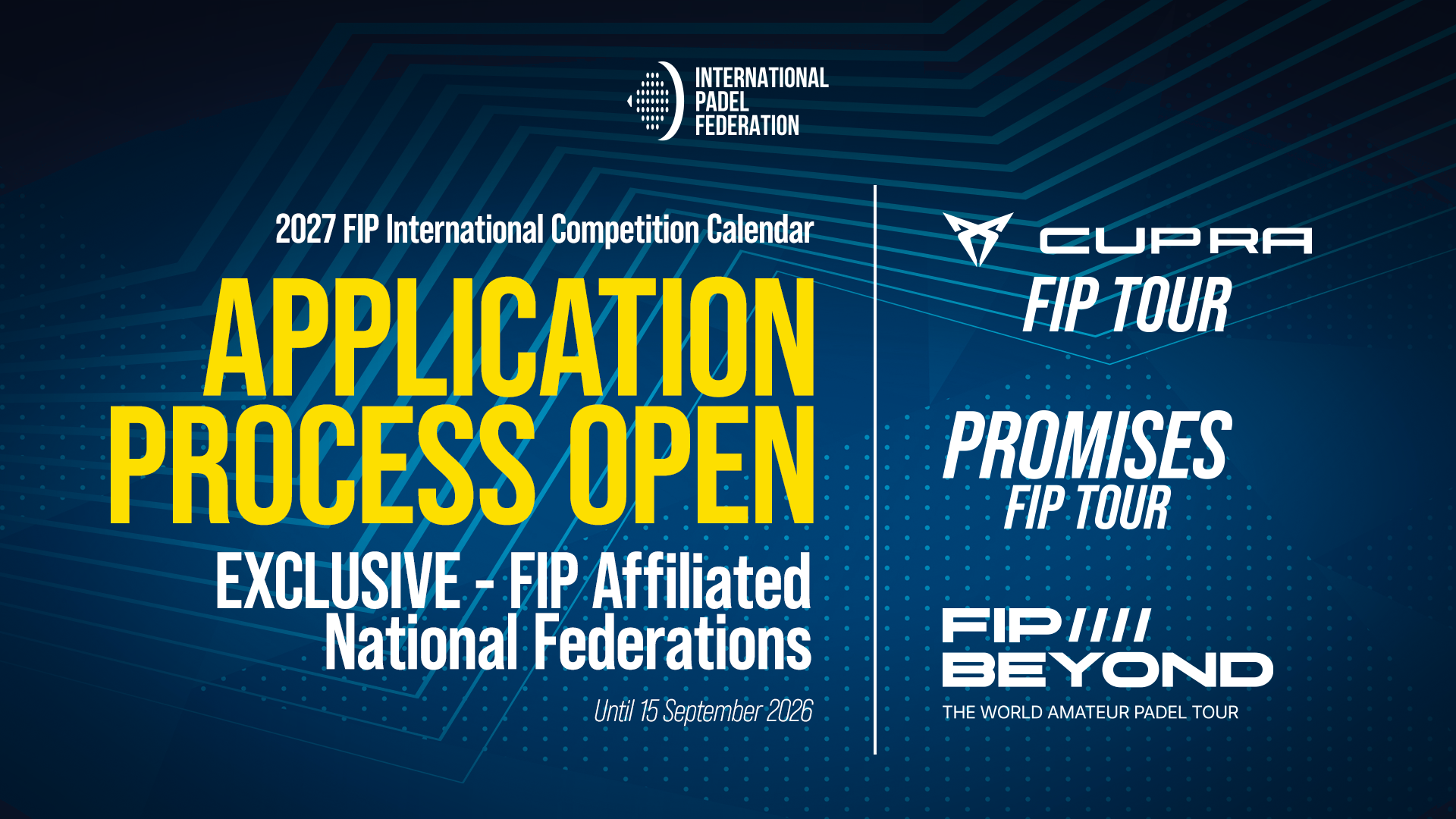
The 2027 season is already being shaped on several fronts. On June 10, Premier Padel and FIP outlined changes aimed at player welfare and sustainable growth, a sign that the sport’s top organizers are building the next cycle well before the first balls are struck. Separate from the FIP calendar, padel was also confirmed as a medal sport for European Games Istanbul 2027, adding another high-profile stop to the international map and increasing the value of early federation planning.
That combination of calendar access, membership growth and multi-event staging shows how far padel has moved from a boom driven by isolated tournaments. FIP is now managing a broader system with national federations, continental competition and age-group development all competing for space. For countries weighing whether to bid, host or simply apply, the 2027 cycle is already a test of how much influence they can claim in the sport’s next phase.