Flag football qualification system sets high stakes for LA28 debut
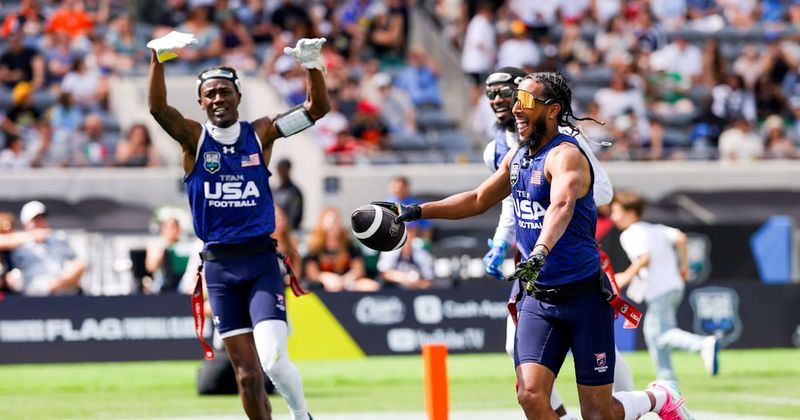
Flag football’s road to Los Angeles now has a map, and the map is unforgiving. LA28 will stage only six men’s teams and six women’s teams, with 10 players per roster, so every qualifying event carries real elimination pressure. The first quotas will be decided at the 2026 IFAF Flag Football World Championships, which turns rankings, regional paths and championship brackets into the real battleground for the Olympic debut.
What LA28 will stage
Flag football will run from July 15 to July 22, 2028 at Exposition Park Stadium. That eight-day window is short by Olympic standards, but the field is even tighter: 12 teams total and 120 athletes across both competitions. The United States enter as the top-ranked team in both the men’s and women’s game, and they also won the last world championships, which gives the home nation an early benchmark for everyone else chasing the bracket.
That limited field is what gives the qualification system its force. A sport debuting on the Olympic program often feels symbolic until the quotas are named; here, the numbers are already concrete, and every federation can measure the gap between where it is now and where it has to be in Los Angeles. With only six spots per gender, there is no room for broad participation alone, only for results that can survive the filter of international competition.
How the qualification route is built

On February 1, 2026, IFAF said the route to Los Angeles 2028 was set for nations hoping to qualify for the inaugural Olympic flag football events. The official Olympic documents later listed the qualification system for flag football dated July 10, 2026, giving the sport a formal framework rather than a vague promise of future inclusion. For national federations, that changes the work immediately, because once the route exists, every camp, roster decision and travel budget has to point toward it.
The key point is that qualification is not automatic for anyone outside the host organizing structure. Teams must earn their place through competitive performance and international standing, which makes the pathway feel closer to a true sporting ladder than a ceremonial invitation. That structure rewards programs that can stay good over time, not just teams that flash once in a single event.
Why the world championships matter most
The 2026 IFAF Flag Football World Championships are the first major checkpoint because they will decide the first quotas for LA28. In practice, that makes the tournament a direct gateway to the Games, not just a title chase for its own sake. For nations with realistic Olympic ambitions, the world championships become the place where a full cycle of preparation has to cash in.
That also changes how teams approach the competitive calendar. A program can build a strong ranking over months, but a poor week at the wrong moment can still force a longer route through the rest of the cycle. The system therefore rewards consistency and peak-event performance at the same time: rankings matter for standing, but the first confirmed Olympic places will be handed out on the field.
Where regional pathways change the picture
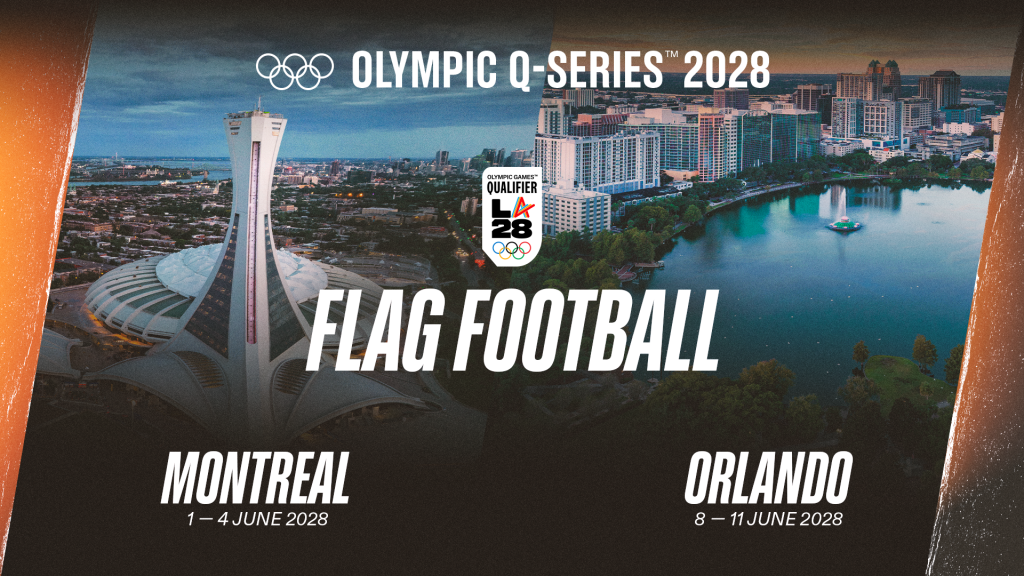
Europe already shows how geography can alter the pressure points. At the 2025 IFAF European Flag Football Championships, Germany automatically qualified as the host team, leaving six men’s and six women’s spots available in that tournament. That kind of host advantage matters because it removes one place from the open competition and makes every remaining berth more valuable for the rest of the field.
The lesson reaches beyond one continent. Regional championships are not side events anymore; they are part of the Olympic ladder, and host status can reshape who has to fight through the bracket and who does not. For federations outside the host slot, that means the path can become narrower before the first snap is even taken.
What the system rewards

The qualification model is built around three forces that matter in different ways:
• Consistency, because international standing and rankings help define which nations arrive with the strongest position.
• Geography, because regional tournaments can open or close opportunities depending on the host and the quota allocation.
• Peak-event performance, because the 2026 world championships will decide the first LA28 quotas, making one tournament an immediate gateway.
That mix is important because it prevents Olympic entry from being decided by reputation alone. The United States can point to their No. 1 standing and last-world-championship success, but that does not remove the need to deliver when quotas are on the line. For challengers, the pathway is demanding but clear: build a ranking base, survive regional competition and then produce when the world championships become the first true Olympic test.

Why the stakes extend beyond the field
The existence of a formal qualification system changes the sport’s economics and planning. Once federations can see the route to Los Angeles, Olympic pursuit starts shaping funding, scheduling, athlete development and federation priorities. Programs that once treated flag football as a growth project now have a hard endpoint, and that deadline forces more deliberate investment.
The larger talent pool could deepen further after May 20, 2025, when NFL clubs approved participation of NFL players in the 2028 Olympic Games in Los Angeles. That decision raises the ceiling for the tournament once the field is set, because it signals a potential influx of higher-profile talent and more attention around the event. For national teams trying to qualify, that only increases the value of getting through the current cycle with momentum intact.
Flag football’s Olympic debut is no longer a concept waiting in the wings. The sport has a dated qualification system, a fixed roster size, a defined competition window and a limited number of places at Exposition Park Stadium. The nations that reach LA28 will be the ones that handled the ranking grind, the regional squeeze and the world-championship pressure before the Olympic stage ever opened.
Sources
- [1]olympics.com
- [2]americanfootball.sport
- [3]nfl.com