FootGolf course standards define cup size, placement and official play
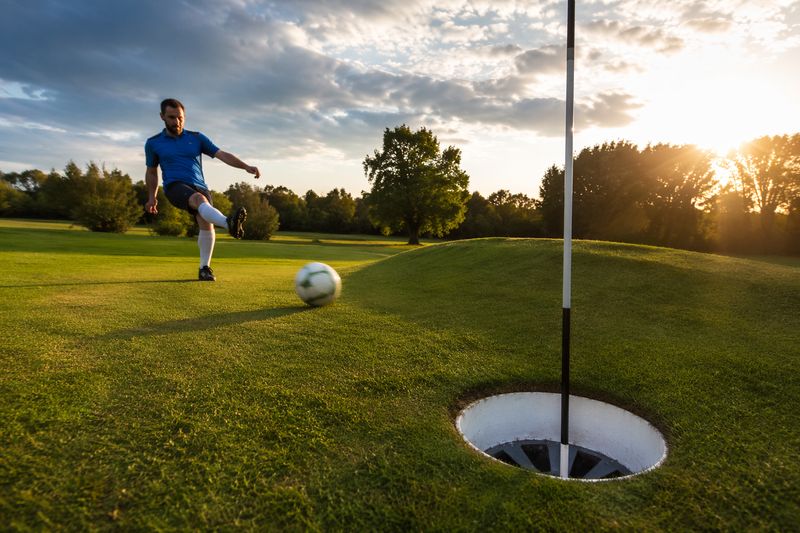
FootGolf lives or dies on the details you do not see from the parking lot. The line between a casual setup and a credible venue starts with the cup, where it sits, and how the hardware handles weather, drainage and repeated play. That is why standards matter so much in a sport that looks simple from a distance but turns technical the moment a club owner, player or municipal partner tries to build it for real.
Official play starts with the sanctioning structure
The first gate is not a shovel or a mower. It is sanctioning. FootGolf USA says the American FootGolf Federation holds the exclusive right to sanction a facility as an official FootGolf course under FIFG rules and guidelines, which makes the process more than a landscaping exercise. Once a property is being judged by those standards, the conversation shifts from “Can we put a target somewhere?” to “Can this site support fair, safe and recognized competition?”
That distinction matters because a course that simply borrows a golf fairway is not automatically ready for official play. A sanctioned venue has to align with the sport’s competitive framework, and that framework is what separates a temporary novelty from a course that can host matches with real legitimacy. For clubs and municipalities, the payoff is clarity: the layout is not just attractive, it is defined by rules that make the facility usable in a repeatable way.
The cup is the sport’s measuring stick
FootGolf’s target is not a golf cup in disguise. The official cup described in AFGL sanctioned-courses material is 50 to 52 centimeters in diameter and at least 28 centimeters deep, with no angled lip allowed for competitive play. That size is the whole point: the target is large enough to fit the game’s kicking motion, but strict enough that the geometry of the hole affects scoring, bounce and control.
That no-angled-lip requirement is not a decorative detail. It is one of the things that keeps an official hole from becoming a soft, forgiving funnel. A round, deep cup with a clean lip preserves the skill element, especially on approaches where a ball can skim the rim, catch the edge or drop straight in depending on pace and angle. When the cup is built to spec, players know the result came from execution, not from a sloppy installation.
For course owners, the cup dimensions also make maintenance more manageable. A properly sized and installed target can be integrated into the turf system without turning the hole into a constant repair job. The standard is precise because the sport needs a target that behaves the same way every time, whether the round is a local league match or a sanctioned event.
Placement on the fairway is what keeps FootGolf compatible with golf
Where the cup sits is just as important as how wide it is. FootGolf USA repeatedly places the targets on fairways, in non-landing areas and away from golf greens, and that is the logic that lets the sport coexist with traditional golf operations. FootGolf is built to live in the traffic pattern of a golf property without crowding the most sensitive turf on the course.
That placement does two jobs at once. It protects playability by giving FootGolf a surface that can handle ball roll and foot traffic, and it protects the golf side by steering activity away from greens, where precision maintenance matters most. A course designed this way can add another user group without asking the superintendent to sacrifice the area that defines golf-course quality.
The “non-landing area” requirement is especially important for safety and course flow. It reduces the risk that FootGolf play interferes with golfers already moving through the property, and it keeps the sport from drifting into zones where approach shots or putts would be disrupted. In practice, this is why an official FootGolf layout can be layered onto an existing golf course without feeling like an afterthought.
Drainage and weather resistance are the difference between a target and infrastructure
The newer cup descriptions push beyond size and placement and into the engineering of the equipment itself. Drainage, weather resistance and a secure flagstick fit are all part of the modern hardware picture, and that says a lot about how the sport has matured. The equipment is no longer just a big hole in the ground. It is turf infrastructure designed to handle changing conditions and repeated use.
Drainage matters because waterlogged targets do not play correctly and do not last. If a cup holds water or mud, the ball reaction changes and maintenance headaches multiply. Weather resistance matters for the same reason: a course that expects to host regular play has to survive heat, rain and seasonal swings without the cup losing shape or failing at the rim.
A secure flagstick fit is another sign that this is specialized hardware, not a makeshift insert. The flag is part of visibility, pace of play and wayfinding on the course. If that fixture is unstable, the target becomes harder to read and the playing experience gets inconsistent. In a credible FootGolf venue, the hardware has to support the event instead of becoming the problem.
What a club owner or municipal partner should look for
A serious FootGolf build is not about adding a single target and calling it a course. It is about matching a property to standards that keep the game fair, the turf protected and the operation recognizable as official. The clearest checklist comes straight out of the technical details:
• a sanctioned facility under the proper federation structure • a cup built to the 50 to 52 centimeter diameter range • a depth of at least 28 centimeters • no angled lip on the competition target • placement on fairways, in non-landing areas, and away from golf greens • hardware built with drainage, weather resistance and a secure flagstick fit
Those details tell you almost everything about whether a venue is ready. If the cup is the wrong shape, the course is improvising. If the placement invades greens or landing zones, the layout is fighting the golf property instead of working with it. If the hardware cannot handle drainage and weather, the site may look playable on opening day and fall apart by the time real competition arrives.
Why standards carry the sport forward
FootGolf grows when the infrastructure is taken seriously. The official cup size, the lip requirement, the fairway placement and the drainage features all serve the same purpose: they make the sport playable, protect the golf facility and give sanctioned competition a legitimate foundation. That is why the strongest FootGolf story is not a tournament result. It is the standards that make the tournament possible in the first place.