FootGolf helps golf courses add revenue with minimal course changes

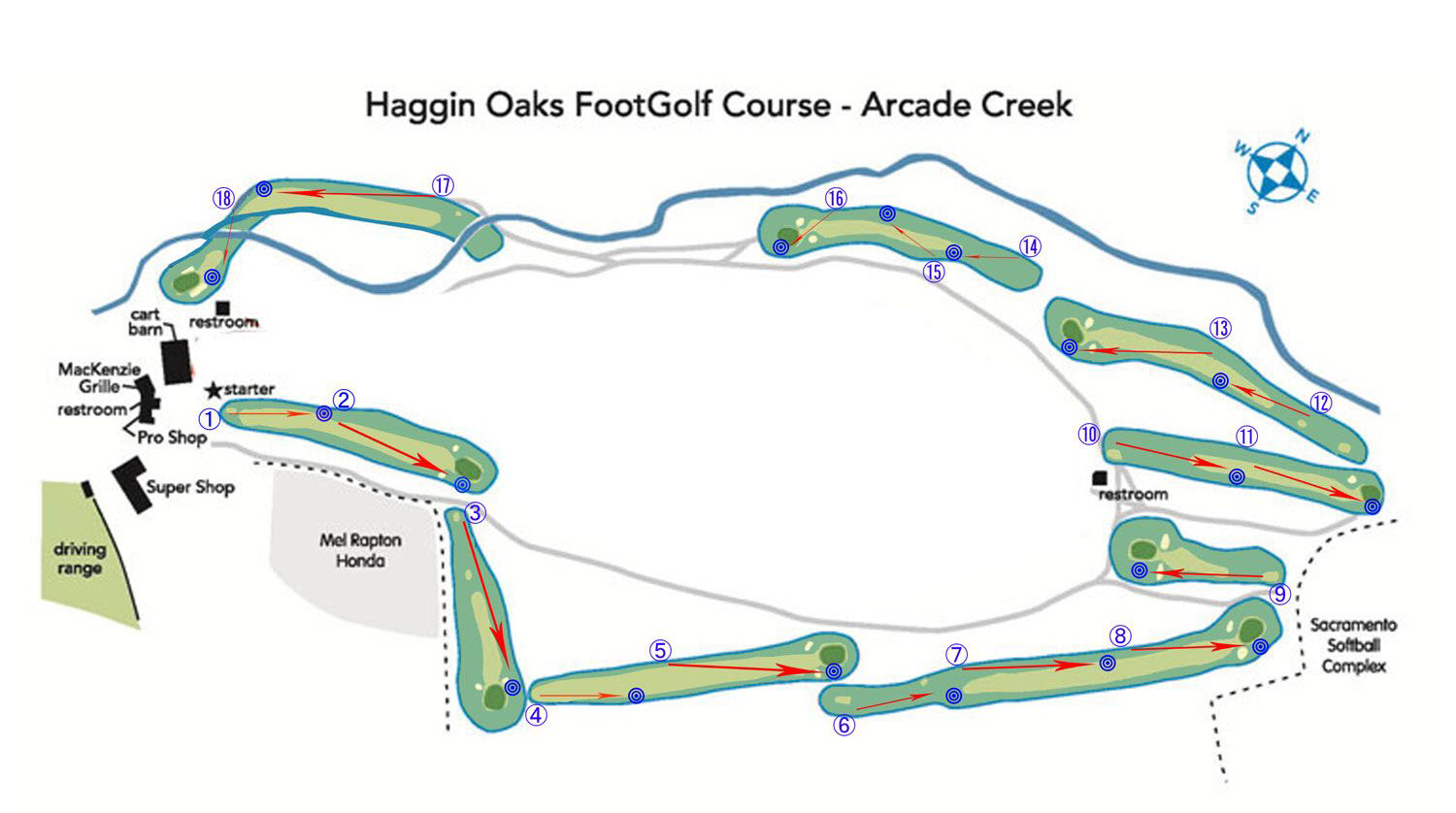
Haggin Oaks in Sacramento booked 9,120 FootGolf rounds in its first year and generated $186,000 in FootGolf revenue in 2014. The sport lets a golf facility sell hours, holes and half-empty windows that often sit idle, and it does it with a setup light enough to fit on nine holes of golf. The best FootGolf story is not novelty. It is utilization, and the numbers from early operators show that the utilization can pay.
How the setup works with minimal course changes
The appeal starts with the footprint. The game uses official cups that are 50 to 52 centimeters in diameter and at least 28 centimeters deep, plus tee markers and a size 5 soccer ball. That is a much lighter lift than redesigning a course, and it is exactly why operators have treated FootGolf as a way to monetize real estate without major construction or a maintenance overhaul.
In the early 2010s, golf operators were hunting for new revenue, and FootGolf fit because an 18-hole FootGolf layout can be installed on nine holes of golf. That flexibility is the whole point. A course does not need to surrender its core product to test the market; it can layer FootGolf onto underused land and underused time.
The sport had structure before it had scale
FootGolf did not appear out of nowhere as a gimmick. The sport was officially launched in the Netherlands at Golfbaan Het Rijk van Nijmegen on September 6, 2009, and the American FootGolf Federation introduced the game to North America in 2011. The first U.S. tournament followed on July 22, 2012, at Chula Vista Resort in Wisconsin Dells, which gave the market an early competition anchor instead of a one-off stunt.
The Federation for International FootGolf has regulated the sport since July 2012, and it created the FootGolf Rulebook in 2013.

The revenue math is what makes operators pay attention
At Haggin Oaks, that worked out to about $20.40 per round before you count any ancillary spending, a solid return for inventory that might otherwise have been empty.
The startup cost was modest enough to make the experiment less intimidating. The investment could be as low as $5,000, which is small compared with most capital improvements in golf. Monarch Bay Golf Club in San Leandro, California, showed the other side of the ledger: after only a few months it was seeing around 100 FootGolfers per week, with extra income coming from ball rentals and clubhouse spending.
FootGolf is not only about green fees. It can create a second line of revenue from rentals, food and beverage, and traffic in hours when a course would otherwise be waiting for the afternoon to fade.
The key is scheduling, not just adding a new game
The smartest operators do not run FootGolf as a free-for-all. Carlos Stremi of the Illinois Footgolf Association said some courses alternate FootGolf and golf off the first tee, while others devote specific windows such as twilight and the 2 to 7 p.m. range. The schedule targets the softest part of the day, when traditional golf demand is often weaker and soccer players are more likely to show up.
That is the tension that matters most: can FootGolf add customers without stealing from core golf? The early evidence suggests it can, if the course treats the sport as a separate inventory bucket. Morning golf remains morning golf. FootGolf fills the daylight gaps, the shoulder season, the family-friendly hours and the slower weekdays that usually do not sell themselves.
Laura Balestrini compared FootGolf’s role for golf to snowboarding’s role for ski resorts.
Where FootGolf fits best
FootGolf works especially well on lesser-used par-3 courses, in daytime gaps and in communities with strong soccer cultures. A course that already has dead inventory in the afternoon does not need a wholesale reinvention; it needs a format that can bring in a different customer at a different time. That is why some facilities have played FootGolf only on certain days or at selected times rather than making it a full-time replacement for golf.
A later GCMOnline profile put the number at roughly 500 U.S. golf courses before the pandemic interrupted growth.
Sources
- [1]ngcoa.org
- [2]usafootgolf.org
- [3]golfdigest.com
- [4]golfcourseindustry.com
- [5]america.cgtn.com
- [6]gcmonline.com