FootGolf launches anti-doping pilot at European Championship
FIFG’s first anti-doping pilot reached the European FootGolf Championship with more than 450 participants completing education before a single kick counted in the draw. The federation said every competitor had to finish an online course and test on WADA’s ADEL platform before being eligible to compete, and it logged the first six random anti-doping tests in FootGolf history, all of them negative.
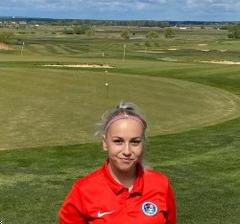
That is the kind of detail established sports use to signal they are serious. In football, cycling, tennis, and athletics, anti-doping is not treated as a side project, but as part of the competition architecture. FIFG is trying to move FootGolf into that lane. It named Rebeka Rezna as the first FootGolf athlete to undergo anti-doping testing, a small but telling milestone for a sport that is still building the machinery of elite governance while its biggest events grow.
The federation announced the partnership with the International Testing Agency on January 27, 2025, and the ITA said it had been supporting FIFG’s anti-doping program since November 2024. That matters because it shows the pilot was not a one-off publicity burst attached to a championship week. It was an implementation process, with education, testing, and event eligibility all tied together before the European Championship got underway.
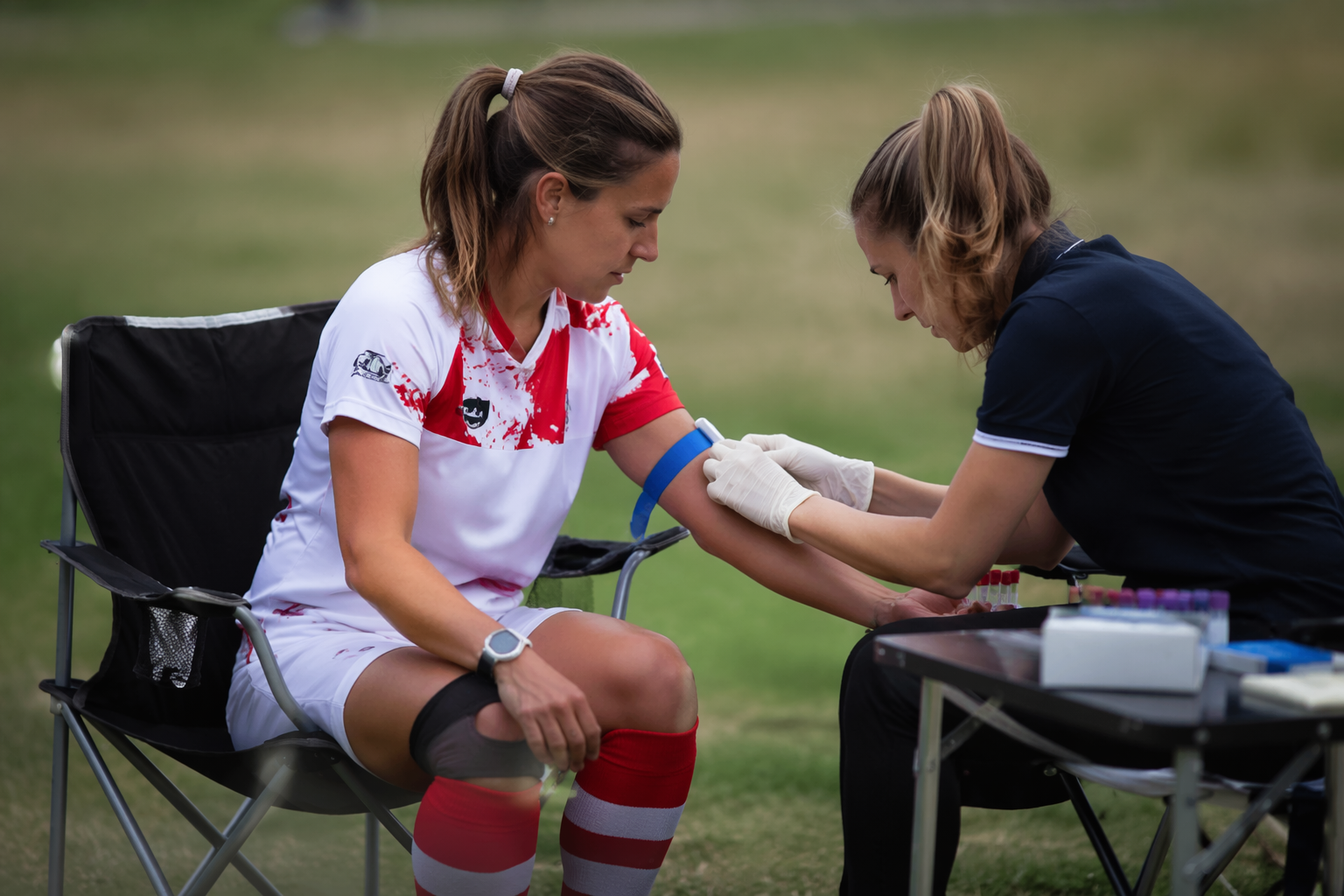
FIFG is also locking the policy into the calendar. It said anti-doping education and testing would be mandatory for all Majors and the Masters tournament in 2025, with the ADEL course required before registration and available in 22 languages. For a sport that depends heavily on precision and self-control, that is a credibility play as much as a compliance one: the federation is asking players to clear the same kind of administrative and ethical checkpoints that define mature international competitions.
The structure around the program points the same way. FIFG member-country criteria require national federations to sign the World Anti-Doping Code, align their rules with it, and actively fight doping. WADA says international federations are responsible for adopting and implementing anti-doping policies and rules consistent with the Code and International Standards, and FIFG’s own criteria also require protection against corruption, illegal or irregular betting, fraud, and related harms. Add in FIFG’s rule that it recognizes only one exclusive member per country, and the message is clear: FootGolf is trying to look less like a novelty circuit and more like a governing body preparing for bigger stakes. The remaining gap is practical, not philosophical, because the framework now needs depth, repeat testing, and the kind of event-by-event consistency that turns policy into habit.
Sources
- [1]footgolf.sport
- [2]ita.sport
- [3]fifg.bluegolf.com
- [4]wada-ama.org
- [5]adel.wada-ama.org