FootGolf's future hinges on growth, courses and community support

FootGolf is past the stage where it needs a definition. The harder question now is whether the sport can turn international visibility into durable growth, with more courses, more repeat players and a stronger pipeline underneath the headline events. Irish FootGolf’s future-facing lens makes that clear: the real story is not whether FootGolf can attract attention, but whether it can keep converting attention into structure.
What counts as real growth
The first mistake is treating FootGolf popularity as a single number. A bigger crowd at a tournament matters, but so do the less glamorous markers that tell you the sport is maturing: local leagues that survive beyond a one-off novelty, course access that becomes routine instead of borrowed, and junior players who stick around long enough to matter. FootGolf already has the bones of a real sport, but its next phase will be judged by how often players return, not how many try it once.
Irish FootGolf’s own background material says the game is now played at thousands of courses worldwide and across more than 40 countries. That is not fringe anymore. Still, “global footprint” can hide a lot of fragility, and the sport’s next proof point is whether those courses and countries translate into consistent participation, not just occasional events.
The governance structure is the point
FootGolf’s growth has not happened in a vacuum. The Federation for International FootGolf says it established the international rules and constitution of the sport, and that only one member per country is recognized. That kind of structure matters because it gives FootGolf something many emerging sports never get: a single rulebook and a clear national-federation model.
That stability is not just administrative housekeeping. It is what makes international competition possible, what gives course operators confidence, and what allows a sport to move from scattered enthusiasm to organized competition. Irish FootGolf’s history page says governing bodies were established as the game gained momentum, which is the right sequence. You need the rules before you can build the house, and FootGolf has spent real time laying that foundation.
Courses are the bottleneck that decides everything
FootGolf is simple in concept: kick a football into a cup in as few shots as possible. But simplicity on the tee does not mean simplicity in the ecosystem. FIFG says the sport is played on specially designed courses or modified golf courses with designated FootGolf holes, and that detail is the key to the sport’s ceiling.
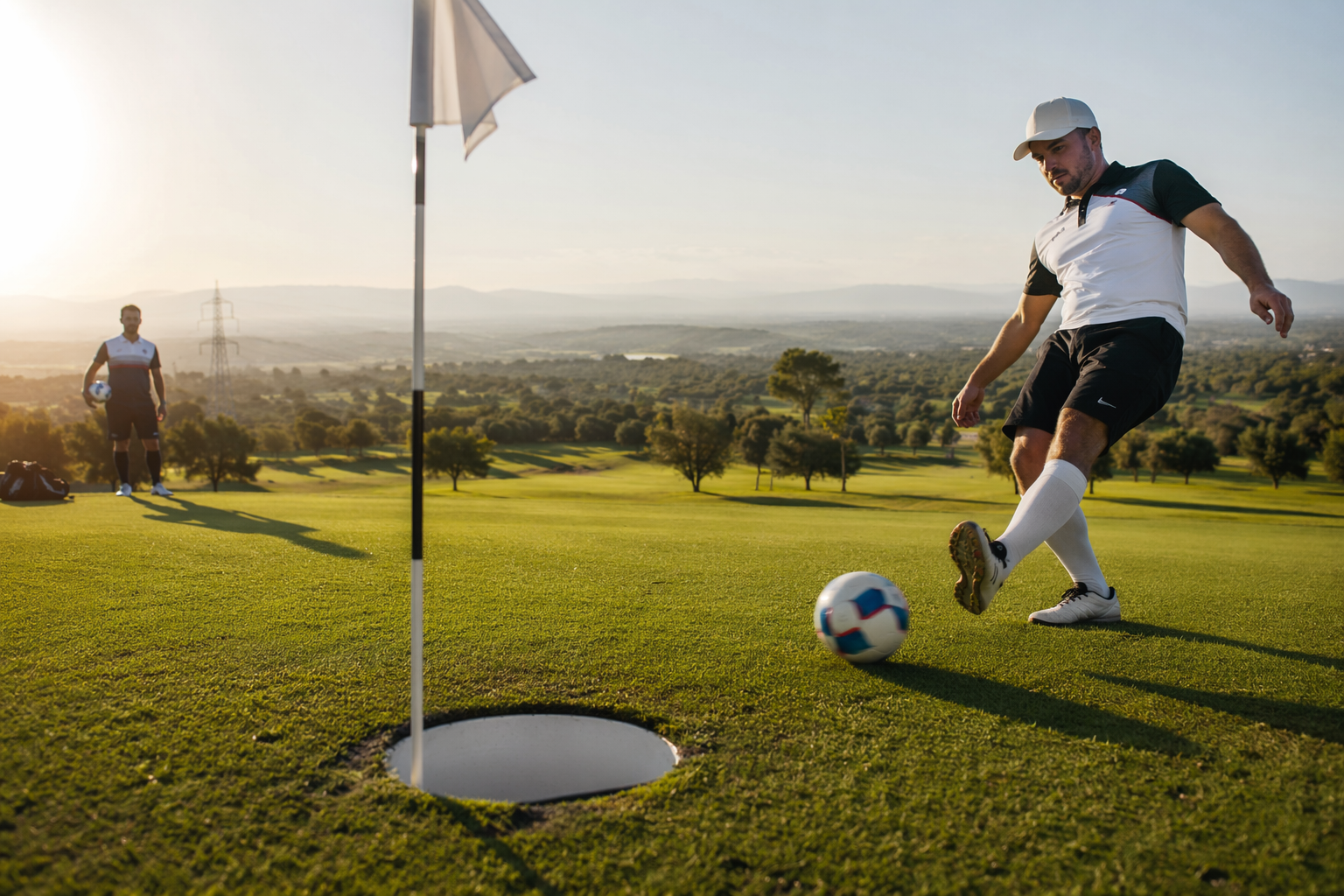
If FootGolf is going to mature, venue access has to move from opportunistic to dependable. Thousands of courses worldwide sounds encouraging, but the real question is how many of those courses are willing to host regular FootGolf programming, not just the occasional showcase. A sport built on borrowed space grows differently from one with permanent lanes, recurring calendars and operators who see FootGolf as part of the business rather than an experiment.
Orlando showed the ceiling is higher than casual observers think
The strongest evidence that FootGolf has already crossed into serious international territory came in Orlando. The official World Cup guide said the fourth FIFG FootGolf World Cup ran from May 27 through June 6, 2023, in Orlando, Florida, and welcomed 1,000 players from 40 countries. FIFG’s event page described the same tournament as featuring 39 countries and more than 970 players. The Union of International Associations later called it the biggest and most successful FootGolf World Cup, with 972 athletes from 39 countries.
Those figures matter because they show FootGolf can already stage a legitimate global championship with real scale, not just a novelty exhibition. The exact country and player counts vary slightly across the official materials, but the broader takeaway is consistent: the World Cup was large, international and standardized enough to feel like a real sporting event, not a curiosity. That is the kind of precedent that gives the future conversation weight.
What to watch next, and what is just wishful thinking
If you want to know whether FootGolf is truly entering a new phase, ignore the hype and track the signals that usually show up before a sport becomes durable.
• Participation trends: Look for repeat players, not just first-timers. A growing base of regulars in local leagues is more meaningful than a few busy weekends.
• Venue access: More modified golf courses and more permanent FootGolf holes would be a real advance. A sport cannot scale cleanly if every event requires a new negotiation.
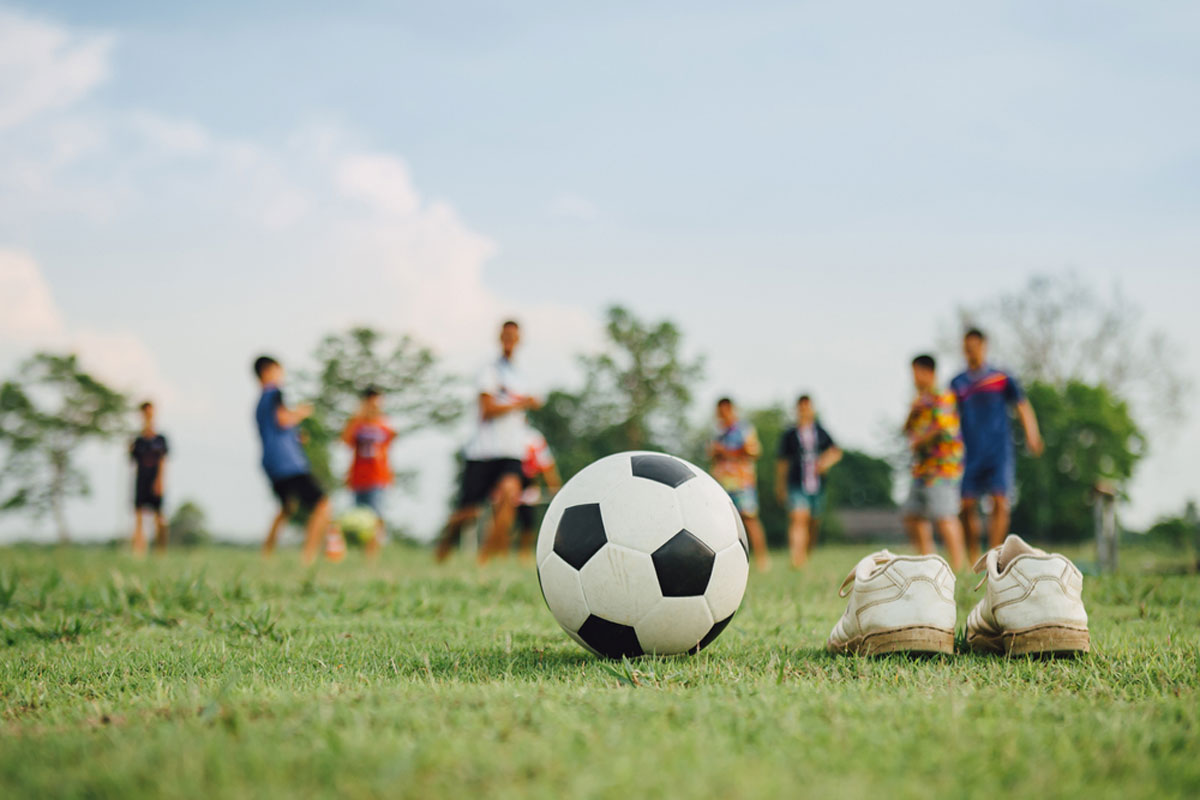
• Junior pipelines: Youth involvement is one of the clearest signs that a niche sport is becoming part of a sporting culture rather than a passing trend. Families bring the sport into a second generation.
• Sponsorship: Sponsors follow predictable audiences. If brands begin to support leagues, events and federations consistently, that usually means they see staying power.
• Federation stability: FIFG’s one-member-per-country model is useful only if national bodies remain active and aligned. Strong governance is not a side issue, it is the scaffolding.
The American FootGolf Federation and other national bodies sit inside that same ecosystem. Their value is not in their names alone, but in whether they can help build calendars, standards and pathways that survive beyond the novelty cycle.
Why the Irish angle matters
Ireland is a useful springboard because its own FootGolf coverage frames the sport the right way: as something that has momentum, but still needs organization to keep that momentum alive. That is the balance the sport has to strike everywhere. FootGolf wins when it stays accessible for families and casual players, but it only matures when the structure behind the fun becomes stronger than the excitement around it.
That is the real future-facing test. FootGolf does not need another round of broad optimism. It needs more courses willing to host it, more federations willing to govern it well, and more players willing to come back after the first round. If those pieces keep moving in the same direction, the sport will not just be surviving its novelty phase. It will be building something lasting.
Sources
- [1]irelandfootgolf.com
- [2]footgolf.sport
- [3]orlando2023.com
- [4]uia.org