Ford and GM Shift Gears: Formula 1 Becomes a Global Marketing Powerhouse
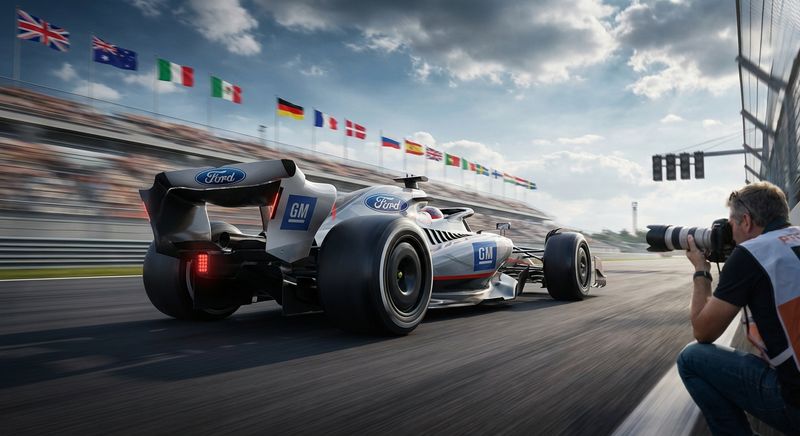
Ford and General Motors are accelerating their Formula 1 involvement, not only to compete on the track but to leverage the sport as a dynamic global marketing platform. Their renewed focus on F1 signals a significant change in strategy, reshaping how automakers engage with audiences worldwide.
While Formula 1 has always been a pinnacle of motorsport engineering, Ford and GM are now harnessing its vast international reach to showcase technology, boost brand awareness, and connect with younger, tech-savvy fans. The move comes as F1's popularity surges in key markets, including the United States, where the sport has seen dramatic television ratings growth and high-profile events like the Las Vegas Grand Prix.
- F1's 2025 calendar features a record 24 races, offering automakers more opportunities for exposure across continents
- Both Ford and GM have launched major campaigns tied to their F1 partnerships, reaching millions across broadcast, digital, and social media
- F1's cumulative global TV audience topped 1.5 billion in 2023, providing unparalleled marketing reach
Ford’s return to Formula 1, after decades away, aligns with its push for electrification and technological innovation. The company is positioning F1 as a showcase for hybrid and sustainable technologies that will eventually filter down to consumer vehicles. By aligning with a sport known for engineering excellence, Ford aims to reinforce its reputation for innovation and performance.
Meanwhile, General Motors has embraced Formula 1 as a platform to elevate the Cadillac brand globally. The company seeks to capture the attention of luxury and performance car buyers in emerging and established markets. GM’s involvement is not just about technical partnerships but also about crafting memorable fan experiences and leveraging digital content to engage younger audiences.
The shift in strategy reflects broader industry trends. Major automotive brands increasingly view F1 not just as a racing series, but as a powerful storytelling platform. The sport’s visibility on streaming platforms, social media, and immersive live events enables brands to build emotional connections with fans, drive innovation narratives, and amplify their presence far beyond traditional advertising channels.
As Ford and GM transform Formula 1 into a mass marketing engine, the lines between sport, entertainment, and brand messaging continue to blur—accelerating a new era where the race for hearts and minds is as critical as the race for the checkered flag.