Formula 1’s Net-Zero Challenge: Why Engineering Isn’t the Only Obstacle
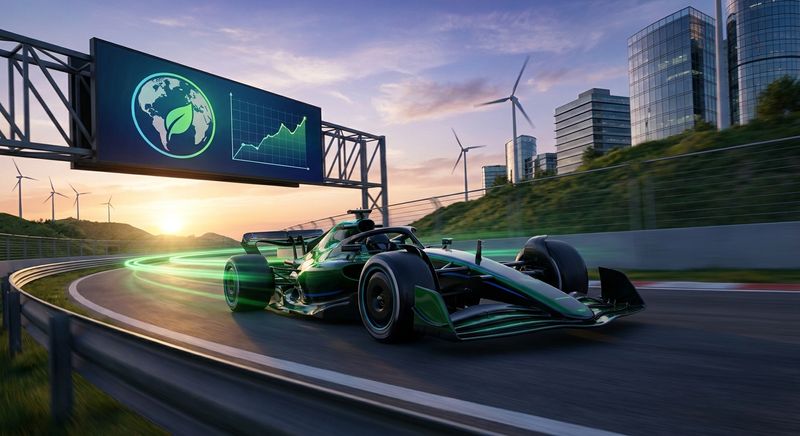
Formula 1 has made headlines in recent years for its ambitious goal: to achieve net-zero carbon emissions by 2030. While the sport is renowned for its technical innovation and engineering prowess, experts and insiders alike now recognize that the most daunting challenges aren’t just mechanical or technological. Instead, Formula 1’s journey toward sustainability reveals that the hardest part of reaching net-zero is implementing change across a complex, global ecosystem—and convincing all stakeholders to get on board.
The Conversation highlights how Formula 1’s engineering teams have already made significant progress reducing the carbon footprint of race cars themselves. Efforts include developing advanced hybrid power units, optimizing fuel efficiency, and experimenting with sustainable fuels for both the cars and support vehicles. These initiatives have delivered tangible emissions reductions on the track, underscoring the sport’s capacity for rapid technical adaptation.
- Formula 1 cars have used hybrid engines since 2014, dramatically increasing energy efficiency compared to previous generations.
- The sport plans to introduce fully sustainable fuels by 2026, aiming to cut emissions from combustion engines even further.
- Operational improvements—such as better freight logistics and sustainable event practices—are already in motion.
Yet, as The Conversation’s analysis makes clear, engineering solutions alone cannot deliver net-zero status for the sport. Formula 1 is a sprawling, international enterprise involving not only racing teams, but also sponsors, suppliers, broadcasters, and millions of fans who travel to races worldwide. The emissions generated by logistics, hospitality, and event infrastructure often far outweigh those produced by the cars on the track.
Addressing these indirect emissions requires sweeping changes in how the sport operates:
- Reconfiguring the global race calendar to reduce air freight and travel distances between venues
- Investing in renewable energy for race venues, team factories, and broadcast operations
- Working with suppliers and partners to adopt more sustainable practices throughout the supply chain
- Encouraging fans to use greener modes of transportation and reduce single-use plastics at events
These steps demand not just technical expertise, but also coordination, transparency, and a willingness to challenge longstanding traditions. The Conversation points out that the social and organizational aspects of sustainability—getting all teams, venues, and stakeholders to agree on new standards—may prove even harder than the engineering breakthroughs that have defined the sport for decades.
Formula 1’s leadership has set clear targets and published annual sustainability reports, but progress depends on buy-in from a global community. The Conversation notes that regulatory frameworks, economic incentives, and fan expectations will all play a role in shaping how quickly and effectively Formula 1 can decarbonize its full footprint.
The lessons from Formula 1’s net-zero journey extend far beyond motorsport. As The Conversation argues, even the world’s most technically advanced organizations face immense social and logistical challenges when transforming for sustainability. The drive to net-zero is as much about changing hearts, minds, and habits as it is about perfecting the next generation of race car engines.