From Soldier Field to SoFi: The Fascinating Age Spectrum of NFL Stadiums
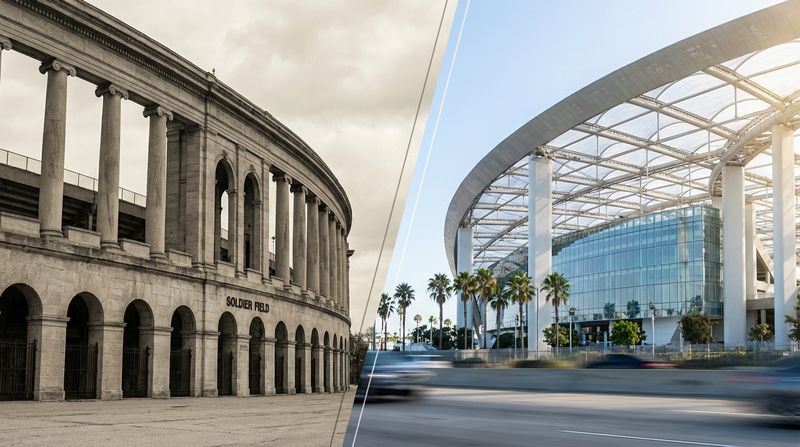
The NFL is not just a showcase of athletic talent—it’s also a living museum of American sports architecture. Stadiums across the league reflect over a century of design, history, and fan culture, with their ages ranging from the nearly 100-year-old Soldier Field to the state-of-the-art SoFi Stadium. Age remains a perennial topic of debate among fans, as each venue brings a unique blend of nostalgia, innovation, and home-field identity.
Soldier Field, the venerable home of the Chicago Bears, claims the distinction of being the oldest active stadium in the NFL. Originally opened in 1924, its storied past includes hosting everything from classic football showdowns to historic public events. While it received extensive renovations in 2002, its iconic colonnades and lakefront setting preserve its legacy, making it a pilgrimage site for football traditionalists and history buffs alike.
On the opposite end of the timeline is SoFi Stadium, the gleaming new home for both the Los Angeles Rams and Los Angeles Chargers. Unveiled in 2020, SoFi represents the cutting edge of stadium design, featuring a translucent roof, massive video board, and amenities that rival luxury resorts. Its opening signaled a new era for NFL facilities, emphasizing fan experience, technology, and versatility as a multi-purpose venue.
- Soldier Field (Chicago Bears): Opened in 1924
- Lambeau Field (Green Bay Packers): Opened in 1957
- Arrowhead Stadium (Kansas City Chiefs): Opened in 1972
- SoFi Stadium (Los Angeles Rams & Chargers): Opened in 2020
Between these two extremes lies a diverse landscape of NFL venues. Iconic stadiums like Lambeau Field, home of the Green Bay Packers since 1957, have maintained their original charm through careful upgrades, while facilities such as Arrowhead Stadium (opened 1972) are renowned for their electric atmospheres and unique architectural features.
Newer stadiums, including Mercedes-Benz Stadium in Atlanta and Allegiant Stadium in Las Vegas, have prioritized sustainability, retractable roofs, and immersive fan experiences. Yet, the league’s older venues continue to command respect, often cited as providing the best home-field advantages and evoking decades of unforgettable moments.
Age isn’t just a number for NFL stadiums—it’s a source of pride for cities and franchises. Older stadiums connect generations of fans and players, while new constructions point to the league’s future ambitions. As the NFL continues to grow, the conversation about stadium age remains central to how fans experience, remember, and debate the game.
Sources
- [1]ESPN NFL