Glove Over Bat: How Elite Defense Is Keeping Struggling Hitters in MLB Lineups
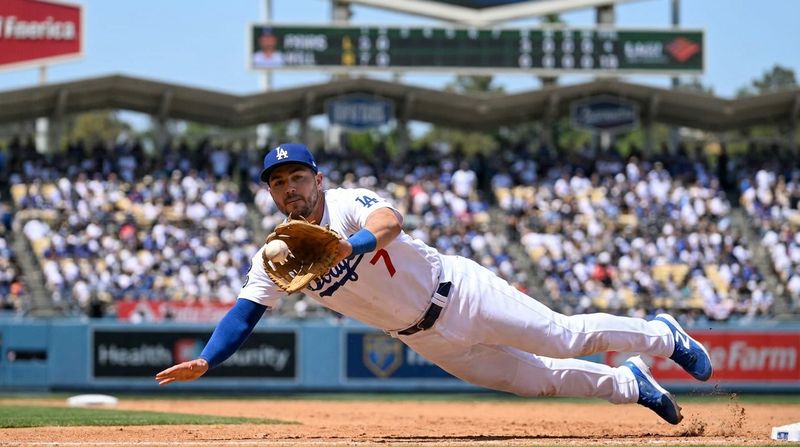
Major League Baseball in 2026 is witnessing a rare phenomenon: several everyday players are holding onto starting jobs despite delivering some of the weakest offensive numbers in recent memory. The reason? Their glove work is too valuable to bench, even as their bats falter.
Elite defenders have always been prized, but the current crop of position players struggling at the plate are testing the limits of how little offense a team can accept from a regular starter. Recent trends and historical comparisons suggest that in today’s MLB, teams are willing to tolerate anemic batting averages and on-base percentages if a player’s defensive metrics are off the charts.
- Several regulars in 2026 are posting batting averages below .200, a threshold traditionally known as the Mendoza Line.
- Despite these numbers, their advanced defensive stats, such as Outs Above Average (OAA) and Defensive Runs Saved (DRS), rank among the league’s best.
- Managers and front offices are increasingly using these advanced metrics to justify keeping such players in the lineup.
This trend isn’t entirely new, but it’s more pronounced than ever. Historically, players like Mark Belanger, Mario Mendoza, and Rey Ordóñez managed to carve out lengthy careers with minimal offensive output, relying on their superior glove work. However, the 2026 season has seen an uptick in players with subpar OPS numbers who have yet to see their playing time reduced.
The calculus for teams is complex. On one hand, run prevention has never been more valued, with analytics showing the outs saved by elite defenders can directly translate to wins. On the other hand, the lineup spot taken by a light-hitting infielder or outfielder can create a black hole, especially in the lower half of the order.
Teams now have several options for dealing with these extremes:
- Platooning: Pairing a defensive specialist with a better hitter against opposite-handed pitching to maximize value
- Late-inning substitutions: Using the elite defender as a defensive replacement in close games
- Roster flexibility: Carrying extra bats on the bench to pinch-hit in high-leverage situations
The shift in philosophy is also driven by the current run environment in MLB. League-wide offensive numbers are down, with home runs, batting averages, and slugging percentages all lower than a decade ago. With fewer runs being scored, each defensive play carries extra weight.
While it’s possible for a player to stick in the lineup while posting historically low offensive numbers, there is a tipping point. If the bat becomes a true liability—such as an on-base percentage below .250 or consistent failure to move runners—teams may be forced to explore other options, even for the most gifted fielders.
As the 2026 season unfolds, all eyes are on these glove-first players. Their performances could influence future roster construction and further shift the balance between offense and defense in baseball’s ever-evolving landscape.
Sources
- [1]ESPN MLB