Golden point keeps padel scoring simple, and brutally decisive
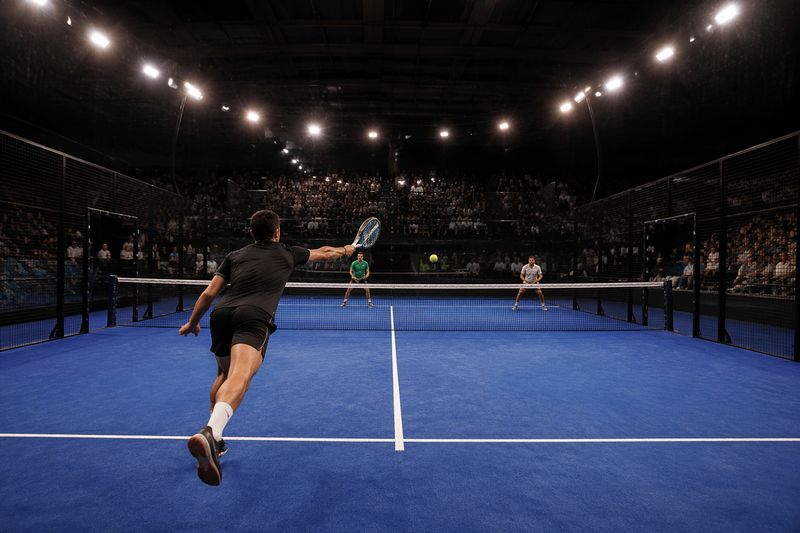
At 40-all in padel, one rally can decide the game. There is no extended battle for advantage, no second chance after a missed return, just one rally that can swing the set in a heartbeat.
How golden point works
Padel scoring still follows tennis rhythm: 15, 30, 40, game, set, match. The twist comes at deuce, where many competitions replace the traditional advantage format with golden point, also called punto de oro. Instead of needing two straight points to close out the game, the next rally ends it outright.
The LTA uses that standard scoring structure in its official padel rules, which is part of why golden point is easy to understand once you reach deuce. The rule does not change the language of the game, only the pressure attached to one point.
UK Padel dates the modern version of the rule to the World Padel Tour in 2020, when it was introduced as an alternative scoring method to bring more excitement to matches.
Why the receiving pair’s decision matters
On the deciding point, the receiving pair chooses which side will take the serve, and that choice can tilt the entire game. If one player handles the backhand return better, or if one side is more comfortable absorbing pace, that split-second decision becomes part of the tactic.
Once the return side is set, the server has to commit immediately. There is no playing the score and no waiting for another chance to correct a bad first serve. Coaches treat it like a mini chess match: serve wide to open the net, set up the first volley, or force a weaker return under pressure. The receiving pair is trying to survive that opening exchange, while the server is trying to end the point before the defense can settle.
Golden point feels different from standard deuce play. In the advantage system, a pair can absorb one bad point and still recover. In golden point, one rushed backhand return, one miss-hit lob, or one clean volley winner can close the game immediately.
What changes on court
Golden point compresses strategy into a single serve-and-return exchange, and that changes body language as much as tactics. On slower courts, where the ball dies a little more after the bounce, the server may lean toward a precise target rather than raw pace. In windy outdoor conditions, the returners may look for a safer option because a risky lob or stretch volley can unravel a game faster than usual.
The pressure falls especially hard on the serve. A good first serve rises in value because there is no follow-up point to rescue a passive start. The server must pick the target with care, the returners must decide who absorbs it, and both pairs know the game can hinge on one defensive block, one well-placed lob, or one rushed volley.
The pair that commits cleanly, whether by attacking the body, stretching wide to open the net, or choosing the more reliable returner, usually gets the better of the one-point exchange.
Why the rule fits padel’s appeal
Golden point is one reason padel is so easy to follow for new viewers. The scoring remains simple, but the decisive moment is visible and immediate, which helps club nights, broadcasts and live crowds feel more compressed and more dramatic. Instead of a long deuce loop, the game ends on a single, understandable swing.
Padel already rewards tight defense, clever lobs and sharp hands at the net; golden point makes each of those skills more decisive because there is no buffer after deuce. It also reduces the number of marathon games, which keeps matches moving and preserves the tension inside close sets.
In late 2023, Premier Padel took a decision about golden point, but tournament rules later used deuce and advantage rather than the one-point finish. The International Padel Federation’s Rules of Padel, with a review and application date of 1 January 2026, still list alternative score methods in the official rulebook.
Where golden point sits in the sport’s evolution
A 2025 FIP article introduced a new Star Point scoring system. Officials are still testing ways to make the decisive moments of matches clearer and more entertaining.
Sources
- [1]ltapadel.org.uk
- [2]ukpadel.org
- [3]padelfip.com
- [4]padelalto.com
- [5]reddit.com
- [6]blog.padelmba.com
- [7]padelnplay.com