Hilton Head gets a padel introduction as the sport gains popularity
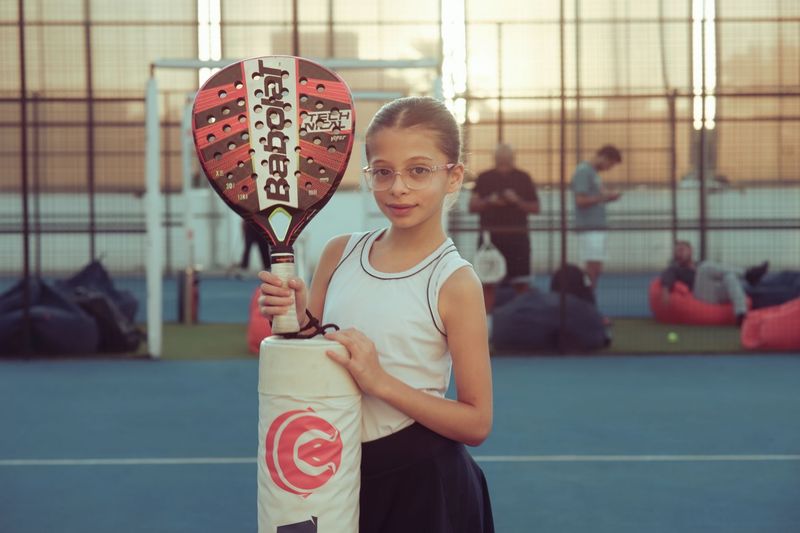
Glass walls, a smaller court and an underhand serve give padel a different rhythm from tennis or pickleball, even if the basics come fast. On Hilton Head, that mix already fits the island’s leisure economy: doubles-heavy, easy to watch and built for conversation between points.
Why Hilton Head is a natural landing spot
Padel has been moving into resort markets because it reads as recreation first and competition second. Hilton Head already has that kind of racquet-sport identity, with tennis and pickleball woven into the island’s club and resort culture, so padel arrives as an extension of what the market already sells well: active, social, book-a-court experiences.
The timing also matches the sport’s broader U.S. rise. The United States Padel Association’s 2024 annual report included year-over-year individual membership growth and club membership as of December 31, 2024; it was distributed and accurate as of January 17, 2025. Sports Destination Management published a piece on Aug. 14, 2025, as padel made inroads into the U.S. sports market, and a 2026 Corcuera Padel Club guide put the country at more than 1,000 courts across 37-plus states, with Florida leading the concentration and North Carolina already on the map.
What padel actually is
Padel is not a tennis clone with walls added as an afterthought. The International Padel Federation traces the sport to Mexico and credits Enrique Corcuera with inventing it in Acapulco in 1969, while a Ministry of Culture of the Government of Mexico story places Corcuera’s court modification in Acapulco in 1962. The sport came out of a compact enclosed court that keeps the ball in play and makes rallies longer.
The court is smaller than a tennis court and surrounded by glass walls and a metal cage, and the equipment is built for control rather than brute force. Padel rackets are solid, with a firm exterior of fiberglass or carbon-graphite and a soft foam or EVA core, while the balls are like tennis balls but with less pressure and a slightly smaller profile, which keeps the bounce lower and the rallies more manageable.

The rules that matter on day one
Padel is played in pairs, and the scoring system is the same as tennis. That means 15, 30, 40, deuce and advantage will feel familiar immediately if you have ever played a racquet sport in a structured format. The biggest mechanical difference is the serve: it is underhand, struck below waist level after the ball bounces once, and sent diagonally from the right service court into the opponent’s box.
Once the rally starts, the walls become part of the court instead of a dead boundary. If the serve lands correctly in the service box and then hits the side or back wall, it is still in, and during open play the ball can carom off the glass as long as it has bounced on the court first.
A quick way to think about the sport: • Tennis players will recognize the scoring, service boxes and diagonal serve pattern. • Pickleball players will recognize the doubles-first structure and the social pace around the court. • Both groups will have to adjust to wall play, which is the part that turns simple rallies into layered ones.
What the first session feels like
Your first hour on a padel court is usually less about power and more about learning where the ball can rebound. New players often spend the opening minutes figuring out the underhand serve and then the first few returns off the glass, because the instinct to stop the ball at the back wall is wrong in padel. Once you trust the walls, rallies start to feel longer and more tactical, with soft placement often beating a hard swing.
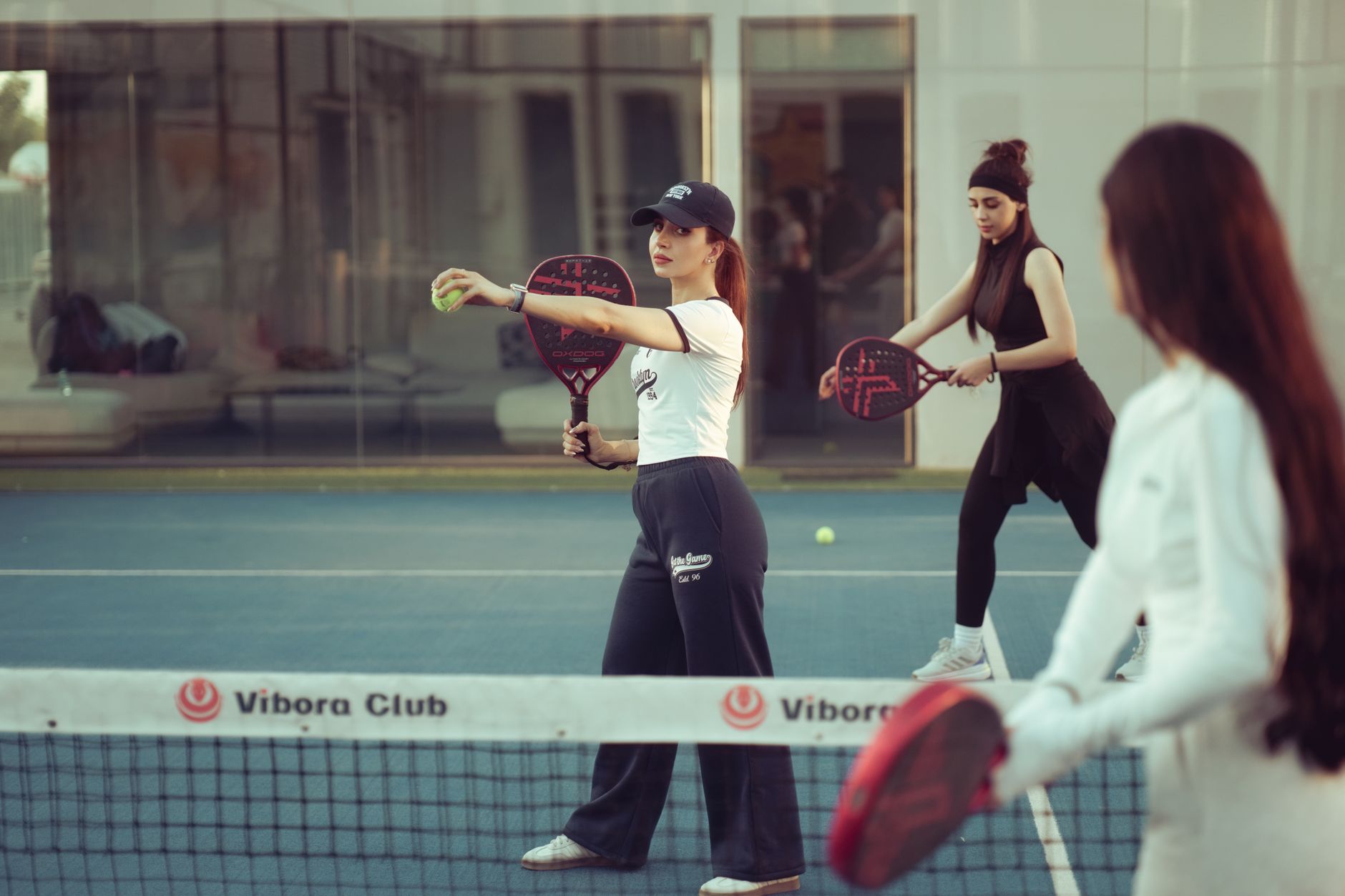
The ball itself behaves differently too. Because it is less pressurized than a tennis ball, it does not jump as high, which rewards compact swings and good positioning over big cuts at the ball. Footwork matters as well, and stable shoes have to handle sideways, forward and backward movement, so a first session is as much about balance and spacing as it is about stroke production.
What it may cost and how access usually works
Hilton Head is unlikely to invent a pricing model from scratch. In the U.S. market, clubs generally split access between pay-to-play booking and memberships, and the posted examples vary widely: one venue lists regular court bookings at $70 per half-hour and mini-court play at $25 per half-hour, another offers $30 day passes plus court fees after a limited number of visits, and P1 Padel lists a $169 monthly membership with 15 free hours of court reservations.
On a vacation island, that usually means a mix of lessons, open play and reservations rather than an all-or-nothing private club experience.
Why it could become Hilton Head’s next social participation sport
Padel fits the same local logic that made pickleball explode: short learning curve, doubles format and easy entry for mixed-skill groups. But padel adds a more distinctive identity, with the glass walls creating points that look and feel different enough to stand apart from both tennis and pickleball.