Holly Colwell Save 2nd Base Wiffle Ball tournament supports cancer patients
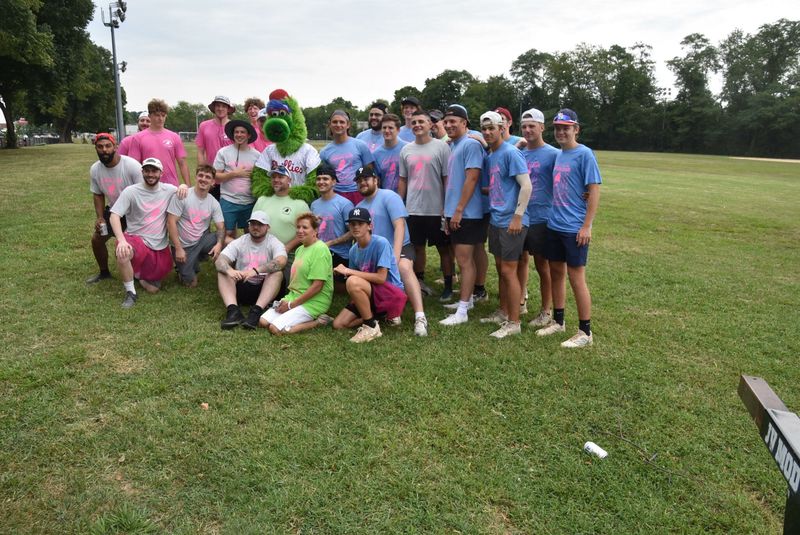
The Holly Colwell Save 2nd Base Wiffle Ball Tournament will turn Hayes Playground into a fundraiser with a scorecard, not just a donation jar. Teams will play Saturday, July 25 at 9:30 a.m. at 9945 President St., with rosters of five to 10 players split into 14-and-older and 13-and-under brackets, and the entry fee set at $30 per player.
That structure is why the event works. It keeps the barrier to entry low enough for families, rec-league regulars and casual players to jump in, while the age split makes the day feel like one tournament instead of a kids' side show and an adult main event. Earlier coverage also said the winning team can donate $500 to the cancer charity of its choice, a competitive wrinkle that gives every game a little more edge than the average charity round robin.
The tournament is in its eighth year, and the human story behind it still drives the whole thing. Holly Colwell died of metastatic breast cancer at age 33 in 2019, and the event was built to honor her memory. Christine Tarducci, a breast cancer survivor, organizes it with her son Nick and husband Vince, keeping the event tied to a family that has lived the fight it is trying to support.
Home Runs for Holly, the charity created by the Tarducci family, was designed to help breast cancer patients cover cold cap treatments during chemotherapy, which can help reduce hair loss. The tournament’s proceeds now go to cancer patients more broadly, but that original purpose still gives the event its identity. This is not a feel-good exhibit with bats and bunting. It is a working fundraiser, built by people who know exactly what the money is for.
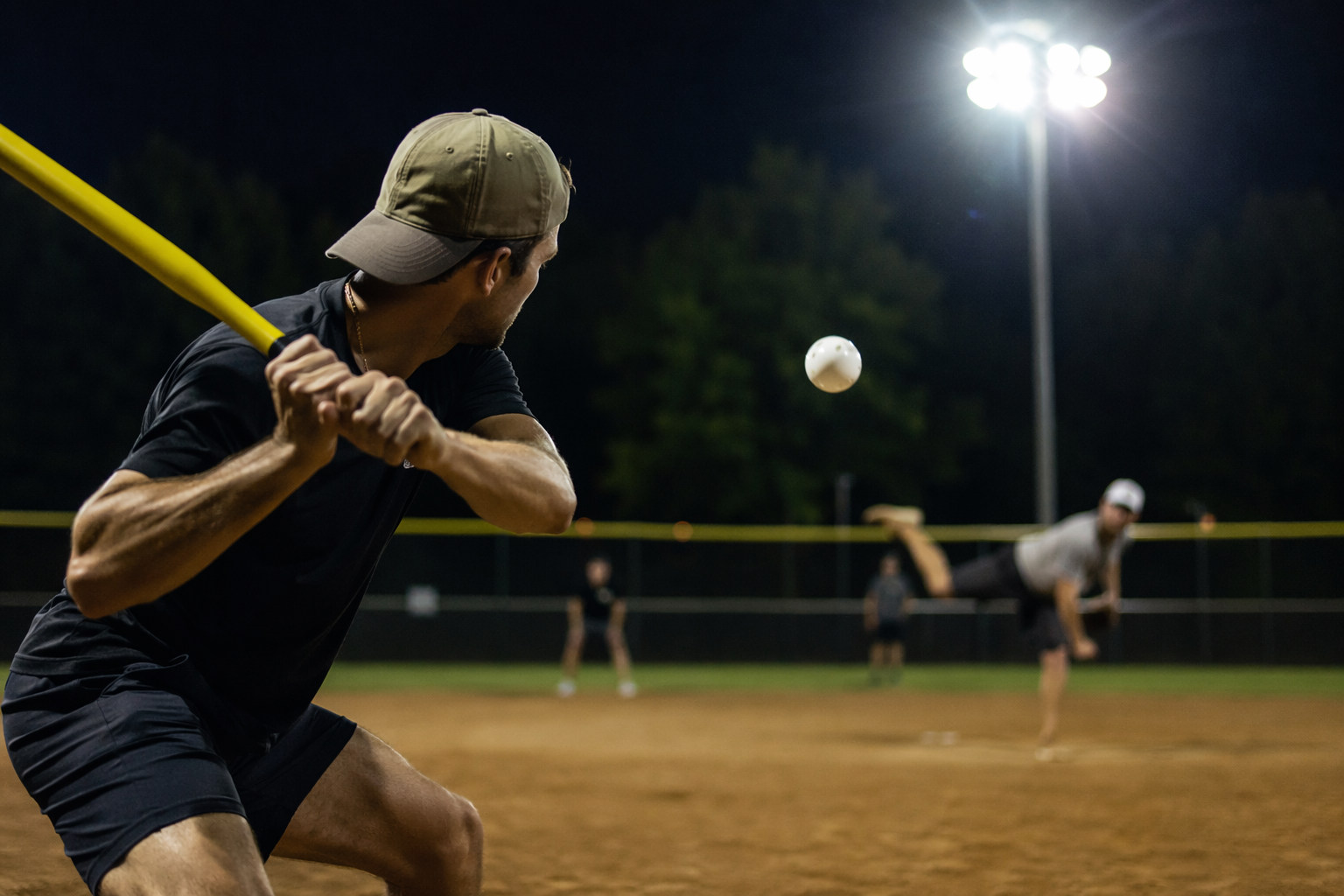
That is part of the reason the format lands. A Wiffle Ball tournament at a neighborhood field like Hayes Playground, home of the Bustleton Bengals, feels accessible in a way a standard charity appeal never can. Players get a game, parents get a day out, local sponsors get a visible footprint, and the cause gets repeated exposure every time someone steps in the batter’s box.
Past editions have shown the ceiling is real, too. Organizers have pointed to a year when the event raised $14,000 and hoped to match that total again, a strong return for an event built on $30 entries and community turnout. In a summer packed with bigger stages, this one keeps proving that a small field, a simple format and a personal cause can still produce serious impact.