How adult kickball grew from a D.C. bar game to a national league
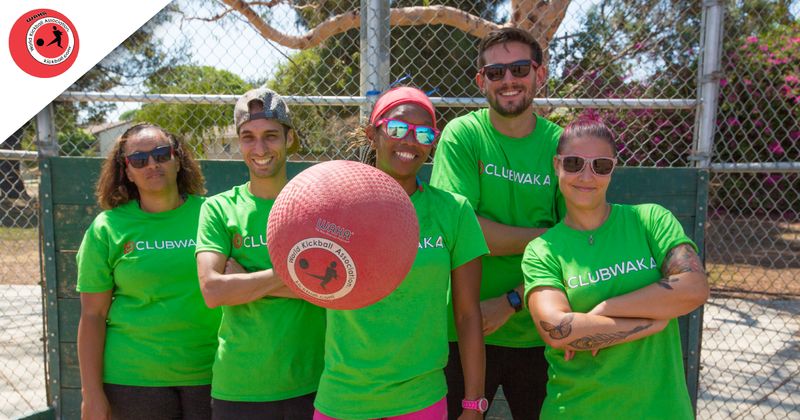
A handful of friends in Washington, D.C., turned a childhood recess game into an adult sports business by building it around the one thing most league sports struggle to supply: easy entry. Kickball needed little explanation, little equipment, and little skill, but it gave players a team, a night out, and a reason to come back the next week. That formula took root in 1998 and spread far beyond the bar where it started.
From a D.C. bar to the Monument
The modern adult kickball story begins with five friends in Washington, D.C., who wanted to recreate the co-ed fraternity feel they had in college. WAKA says the idea came together after four of them were hanging out in one of their favorite bars, and a fifth friend joined soon after as they planned the first season of what became the World Adult Kickball Association. The name later changed, first dropping “Adult” and eventually becoming ClubWAKA, but the original impulse stayed the same: build a game that felt social before it felt serious.
The early setting mattered. In the first couple of years, games were played almost exclusively in Washington, D.C. at the Washington Monument, which gave the league a recognizable public stage and a downtown identity from the start. That kind of city anchor helped the sport read less like a private club and more like something rooted in the rhythms of urban adult life, with a clear place to gather, play, and linger afterward.
Why kickball scaled so quickly
Kickball had an advantage that many recreational sports never get: almost everyone already knew the basics. WAKA’s own framing says it chose kickball because it is something “everyone loves” even if most people had not played since elementary school. That low barrier to entry made it easier to recruit teammates, keep games balanced, and welcome people who would never join a more technical league.
The social structure mattered just as much. CLUBWAKA now describes itself as a 21+ co-ed social sports club, and its current home page pairs leagues with after-parties, events, and friend-making. That combination gave adult kickball a built-in postgame life, which is part of why it spread city by city: the league was not just about the nine innings, it was about the group text, the team name, the bar afterward, and the repeat turnout that follows when the game doubles as a social calendar.
WAKA’s broader history also helps explain why the format found an audience. Adult kickball did not begin with WAKA, because independent community and church leagues already existed. What WAKA did was package the idea into a more repeatable structure and push it outward, and some histories credit that growth with helping move the sport into the mainstream. In practice, that meant turning a local pastime into a recognizable adult league model that other cities could copy.
The people behind the league
The founding group was small, but the commitment was real. WAKA says the first two founders to quit their jobs to build the company were David Lowry and Jimmy Walicek, and both still work with the organization. That detail matters because adult kickball did not scale on the back of a celebrity athlete or a broadcast contract. It scaled because people treated it like a business, with enough structure to turn a spontaneous game into a durable community product.
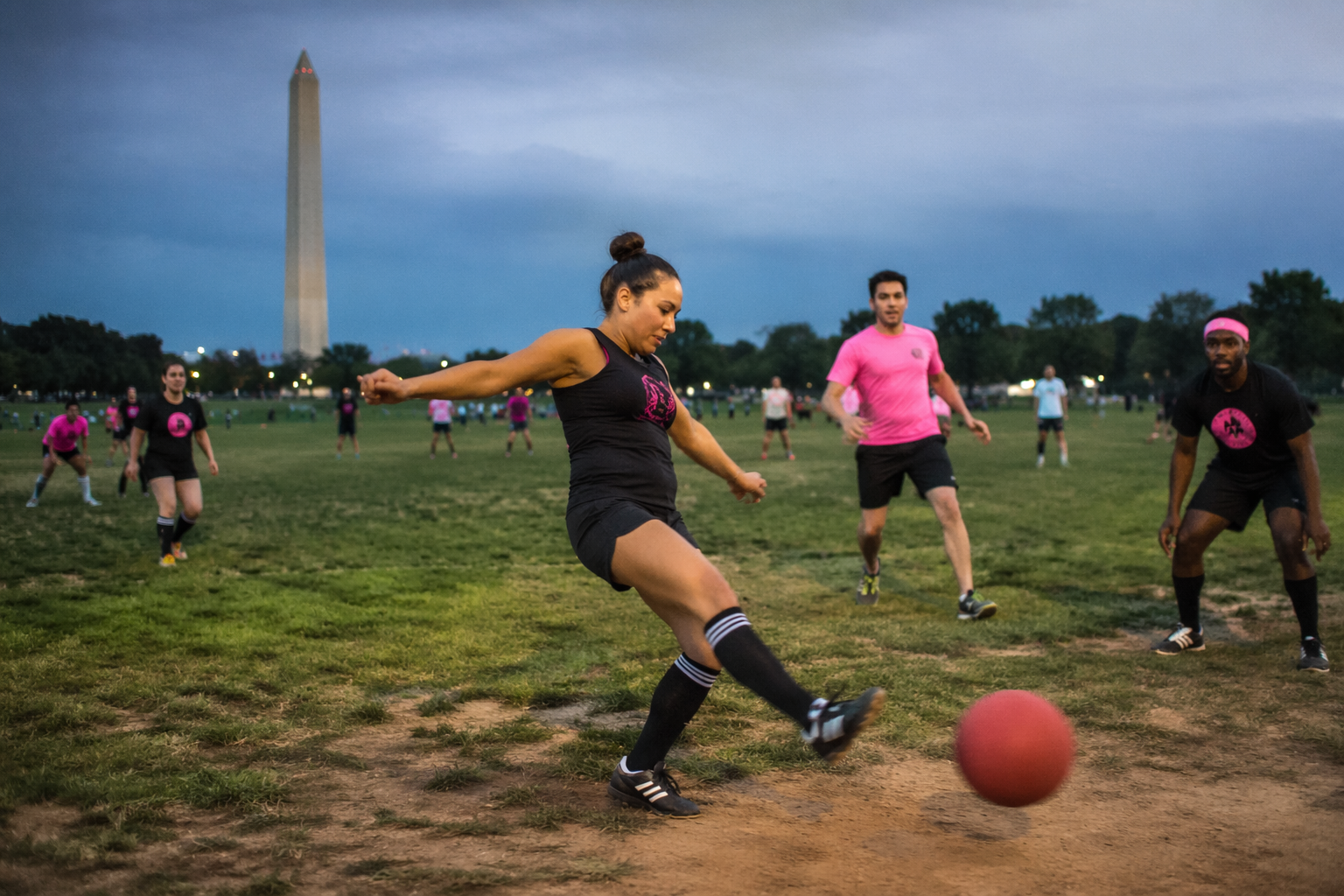
Washington City Paper once captured the early scene by describing WAKA as a response to “wannabe kickers” in D.C., a line that still fits the league’s early identity. Johnny LeHane, one of the early figures tied to the organization, helped frame the company as a serious brand around a casual game. That tension, between a low-stakes sport and a high-functioning operation, became one of the league’s defining features.
How the national league works now
Today’s adult kickball scene is organized less like a pickup game and more like a seasonal circuit. WAKA says it runs kickball across the United States, with divisional winners advancing to the annual Founders Cup in Las Vegas each October as part of Wakapalooza. That championship structure gives local leagues a larger purpose, so a season in one city connects to a national event where the winners meet, party, and compete again.
WAKApalooza markets itself as the largest social sports festival in the world, and the Las Vegas gathering underscores how far the format has traveled from that Washington Monument field. The event is not just a title game, but a destination weekend built around thousands of players from across the country. For a sport with no professional league, that kind of annual climax gives participants a shared calendar, a trophy path, and a reason to care beyond one city.
The scale is now hard to ignore. WAKA says tens of thousands of players and partners shape the community, and secondary accounts place leagues in more than 35 states, with international runs at times, including India. In 2010, Inc. Magazine named WAKA one of America’s fastest-growing private companies, a marker of how quickly a niche idea could become a national recreational business.
Why the model keeps working
ClubWAKA has widened the formula beyond kickball, adding dodgeball, volleyball, soccer, and bar games to the mix. That expansion shows the core insight behind the whole operation: the sport is the hook, but the community is the product. Players come for the game, then stay because the structure is easy, the teams are social, and the league gives adult life a recurring place to gather.
That is why adult kickball keeps its grip. It is not built on elite talent or expensive infrastructure. It is built on familiarity, co-ed participation, city-based identity, and a calendar that turns a recess game into a reason to show up every week, then every season, then every October in Las Vegas.
Sources
- [1]kickball.com
- [2]clubwaka.com
- [3]wakapalooza.com
- [4]washingtoncitypaper.com
- [5]youtube.com
- [6]businesswire.com
- [7]wikiwand.com
- [8]sportsfoundation.org