How kickball’s 10-inch ball shapes the game’s pace
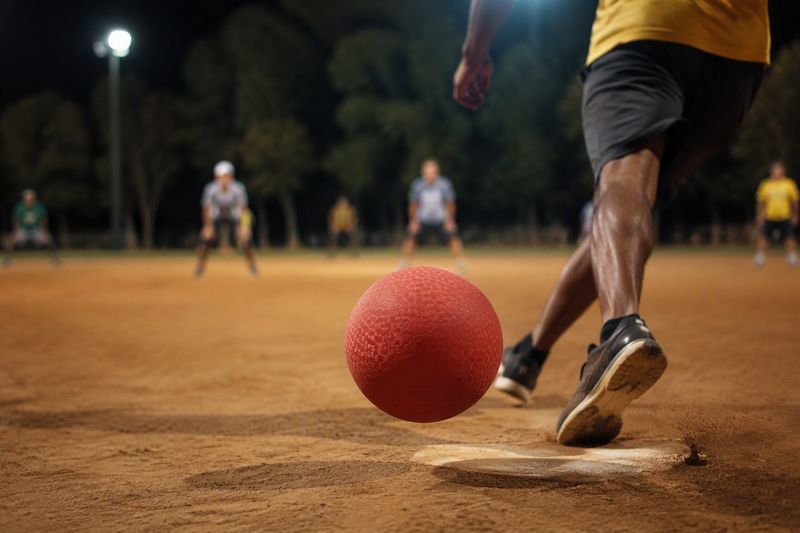
Kickball looks simple until the ball is the story. Mikasa labels its P1000K the “Official World Adult Kickball,” and the 10-inch diameter plus premium rubber cover explain why the sport plays with a different rhythm than the playground version most people remember. The larger, softer, bouncier ball changes how hard a kicker can drive it, how defenders read ground balls and pop-ups, and why the game feels social before it ever feels fast.
The 10-inch standard
The adult game revolves around a standardized red ball, not a loose rec-time substitute. World Kickball Association materials say the official ball is the red WAKA Kickball, and its rules frame the sport as a simple game built around two teams, bases, and a ball. That is not branding fluff. When the object in the center of the field is fixed, the pace, spacing, and style of play become part of the rulebook itself.
That standard also makes the sport commercially repeatable. Mikasa’s listing for the P1000K does not describe a one-off novelty; it names a product category, the kind that lets leagues, tournaments, and leagues across different cities play the same game with the same feel. In a 2001 Washington Post snippet, the official kickball was the red Baden PG-10 playground ball, which shows how the sport’s center of gravity has moved from a generic schoolyard ball toward a dedicated adult standard.
Why the ball changes the pace
A 10-inch kickball does more than slow the tempo. It gives kickers a bigger surface to strike and gives fielders a ball that behaves more predictably when it hits dirt, grass, or a pair of hands trying to make a clean stop. That is why the ball changes the whole geometry of the game, from how deep defenders stand to how much room they give a runner who is trying to turn one kick into two bases.
WAKA’s own language gets the point right: kickball is “easy to learn, easy to set up, and fun to play” because it uses a “larger, gentler, and bouncier ball.” That is the key to the pace. The ball is lively enough to create overthrows and awkward hops, but soft and large enough to keep the game from becoming a track meet every time someone puts a foot through it. In practical terms, the 10-inch size rewards control over raw force.
The contrast with Mikasa’s youth model makes the difference even clearer. Its P850K is listed at 8.5 inches in diameter, and that smaller profile naturally speeds the game up and makes clean fielding harder. The adult 10-inch ball builds in a little more forgiveness, which is why the sport can stay playable for a mixed recreational roster instead of becoming a scramble after every kick.
Why the official ball matters more than casual rec gear
The ball is also what separates competitive kickball from casual playground play. WAKA says the sport is a classic game played like baseball with a few important changes, but the biggest change is the equipment: the official red ball is softer and more controllable than the hard projectiles and smaller balls used in other games. That softer construction matters because it keeps kicks, catches, and overthrows from feeling punishing, which helps the game stay accessible across a wider range of ages and skill levels.
That accessibility is built into the adult identity of the sport. WAKA says it started in 1998, and its About Us material says the organization exploded across the nation with the formation of ClubWAKA. The point is not nostalgia. It is structure. Once the adult game had a governing identity, a standardized red ball became the thing that made a league feel official instead of improvised.
From league nights to championship play
The same ball that keeps a Tuesday-night league moving also sits at the center of the sport’s biggest stage. WAKA’s Champions page says the Founders Cup World Kickball Championship has crowned world champions from 1998 to today, and the event is an invite-only tournament in Las Vegas during WAKApalooza. That is a big leap from recess, but it still runs on the same object: the red ball that defines the sport’s pace and spacing.
WAKA’s adult page calls it the original kickball organization, and that claim makes sense when you look at how the game has been standardized around the ball. The official equipment gives the championship its legitimacy, the same way a regulation baseball or basketball sets the boundaries of its sport. Without the 10-inch ball, the championship would just be another gathering. With it, the game has a recognizable competitive identity.
The youth ball teaches the same lesson
WAKA’s youth page puts the same logic in a different setting. It says the soft, safe ball helps younger kids build social skills, teamwork, and an active lifestyle while learning kicking, throwing, and catching. That makes the ball more than a piece of gear for kids. It becomes the teaching tool that sets the speed of the game and the emotional tone around it.
The 8.5-inch youth ball reinforces the same lesson from a different angle. Shrink the ball, and you change what players can comfortably do with it; keep it larger and gentler, and you make the sport easier to pick up and easier to keep moving. That is why kickball’s identity has always started with the ball. The rules, the pace, the fielding angles, and even the sound of the game all come after that first decision.
The feel of the game lives in the rubber
One WAKA press page describes the ball as “soft, red rubber” and says it makes a satisfying “boing” sound. That detail is not cosmetic. It captures the tactile reality that has always separated kickball from harder, more punishing sports and from the rougher ball games that never made the jump into organized adult play.
The sound matters because the feel matters, and the feel comes from the gear. Kickball’s 10-inch ball is not just equipment on the field. It is the thing that sets the game’s speed, shapes its defense, softens its collisions, and gives the sport its unmistakable rhythm.