How quadball’s equipment rules shape play from the first whistle
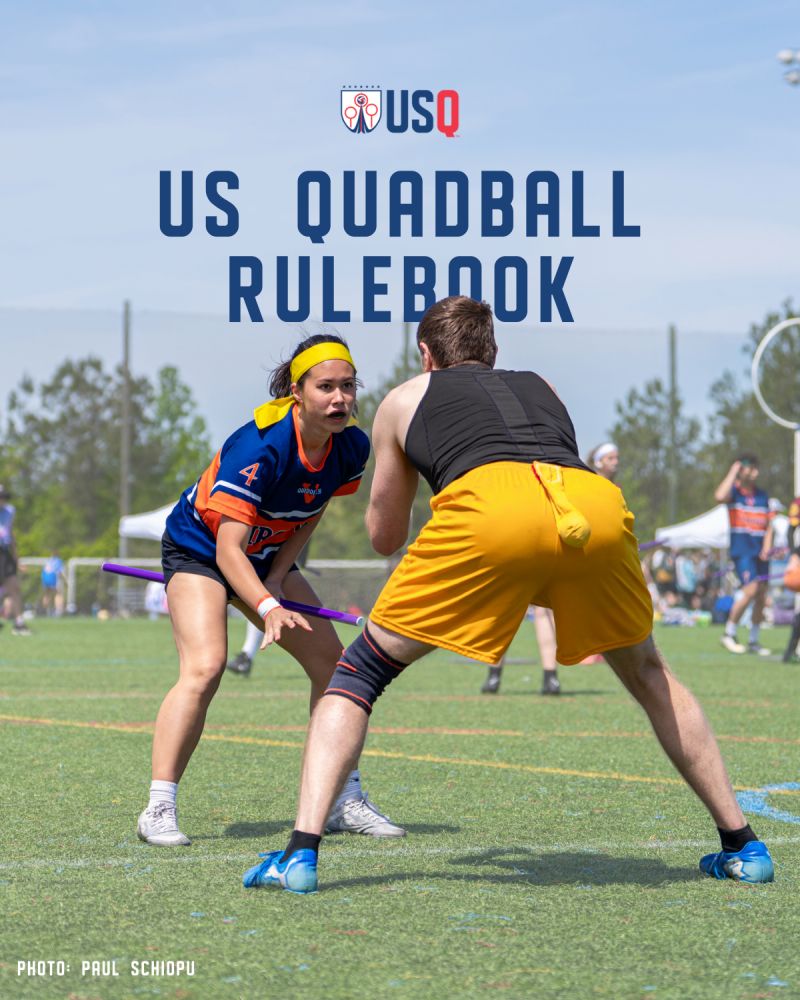
In quadball, the broom stays between the legs during live play. It is a real piece of live-play gear, not a prop, and from the opening whistle it shapes how a player runs, pivots, and absorbs contact while still controlling the ball. US Quadball’s rulebook treats that gear, along with field setup and player equipment, as core game architecture, not a side note.
The broom defines the game before the ball does
Quadball’s most unusual rule is also its most practical one: that built-in constraint immediately limits movement and changes body position on every cut, chase, and turn. That constraint is part of what makes the sport feel distinct from rugby, dodgeball, and handball all at once, because players have to manage contact and possession while carrying a physical handicap that is built into the rules.
The equipment pages in organized quadball do not treat the broom casually; they sit alongside field dimensions, hoop specs, and ball rules in the official rule structure. At a Seattle practice, a 3-foot-long PVC pipe served as the broom substitute used in live play. The broom is expected to be functional, durable, and game-ready rather than decorative.
What the official equipment section actually covers
US Quadball’s rulebook is used in college and club play across the United States, and the equipment section is broad enough to cover the pieces that make the sport work. It includes pitch dimensions and setup, hoop specifications, ball and broom specifications, and player equipment rules such as headbands, jewelry, and padding. Major League Quadball maintains its own equipment-and-field-dimensions rules page as well, along with a separate page for game procedures.

Quadball’s safety is not just about hard contact, it is about making contact predictable. In a full-contact sport, a loose item, a hard accessory, or the wrong kind of padding can create the kind of avoidable injury the rulebook is built to prevent. Player safety is taken very seriously. The equipment rules are embedded in the sport’s basic setup.
What to bring to pass inspection
For anyone arriving at a match, the pregame check is simple in concept even if the details are strict. Bring the legal broom, make sure your gear matches the player-equipment rules, and strip away anything that turns a legal collision into an unsafe one. The biggest mistake new players make is assuming that because quadball is playful in origin, its gear standards are loose; the opposite is true.
A practical match-day checklist looks like this:
• A broom that matches the rulebook’s specifications and can be used safely between your legs throughout play
• A headband that fits the sport’s player-equipment rules

• No jewelry that creates a contact hazard
• Padding that is allowed under the rules and does not interfere with safety or play
• Shorts and cleats that meet the expectations of your league and tournament before you step onto the field
Gear inspection is not only about the obvious quadball-specific items. Shorts and cleats are part of the same pregame discipline: make sure nothing will snag, slip, or add unnecessary risk once the game becomes physical. In a sport where players are expected to sprint, hit, and change direction on the fly, the wrong footwear or overly loose clothing can become a problem fast.
Why headbands, jewelry, and padding are not minor details
The rules around headbands, jewelry, and padding are easy to overlook until something goes wrong. Headbands identify players, but they also have to stay safe and functional under pressure. Jewelry is restricted because hard or dangling items can turn routine contact into a cut, a scrape, or a worse collision, especially when play is full-contact and bodies are moving in traffic.
Padding serves a different purpose: it can protect without turning a player into unsafe equipment. That is the balance quadball tries to strike across its rules, allowing a physical game while drawing a line around the kinds of objects that make injuries more likely. The rulebook’s clarity lets officials enforce the same standard from one college pitch to the next club tournament.
A sport built with governance, not improvisation
Quadball was founded in 2005 at Middlebury College by Xander Manshel and Alex Benepe, and the International Quadball Association defines it as a competitive sport played by all ages, from school-age children to adults. Once a sport reaches college, club, and international settings, every field and every roster needs the same baseline.
US Quadball’s July 2022 announcement, “Quidditch Changes Name to Quadball,” marked the sport’s move away from its old name while keeping the same core gameplay.
Sources
- [1]usquadball.org
- [2]iqasport.org
- [3]mlquadball.com