How racquetball evolved from wooden paddles to oversized racquets
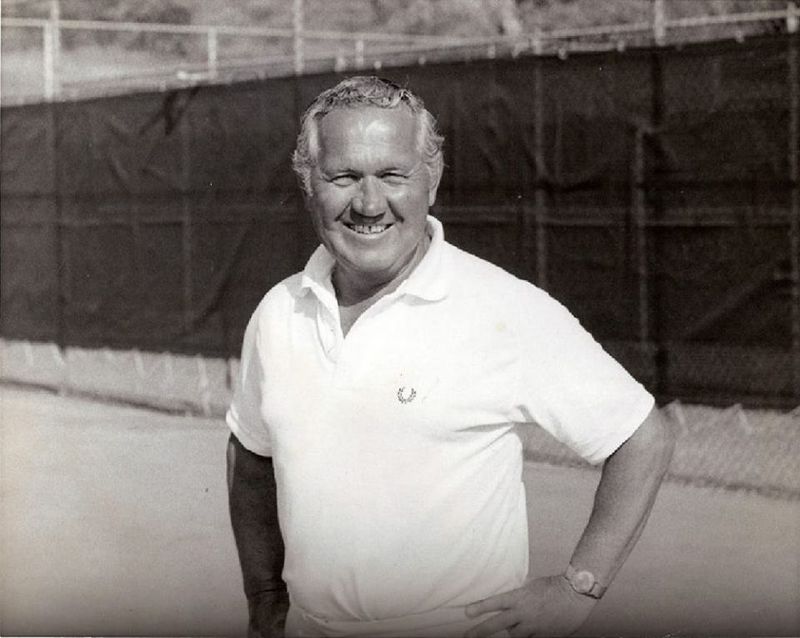
Joseph G. Sobek started racquetball with a wooden paddle racquet, not the sleek graphite frame players know now. Each design leap changed how fast the ball moved, how forgiving the sweet spot felt, and how much skill it took to stay in rallies.
From paddle rackets to a new indoor sport
Joseph G. Sobek, who lived from 1918 to 1998, invented racquetball while working in a rubber manufacturing plant in Bridgeport, Connecticut. He was also a tennis pro and a squash and handball player, which helps explain why the new game blended ideas from several court sports instead of springing fully formed from one tradition. He did not coin the name racquetball; he called the sport “paddle rackets.”
The popular image of Sobek sawing off part of a tennis racquet handle was a legend. In reality, he started with a platform-tennis paddle altered with strings, which is a better fit for how racquetball actually began: as an experiment in adapting existing tools to a faster indoor game.
The first racquets were experiments, not standards
Sobek’s first racquet for the sport was a wooden “paddle racquet” supplied by him. Todd Boss’ equipment timeline at Pro Racquetball Stats places the initial racquets in the 1950s and 1960s as wooden, custom-created structures. Wood is heavy, less forgiving, and far less efficient at generating pace than the light frames players use now.
Those early racquets would have made racquetball feel very different from today’s game. A heavier wooden frame limits acceleration and makes quick adjustments harder, which is a real problem in a sport built around compact swings and instant recovery off the front wall. In practical terms, the first players were not just learning a new sport, they were learning how to make an awkward piece of equipment work inside four walls.
The experimentation did not stop at wood. Dayton introduced all-steel string racquets in the late 1960s, and they were quickly banned.
1970 set the first real boundary

A crucial turning point came in 1970, when racquet length was standardized at 12 inches or under, measured by head size and not including the handle. Once the dimensions were fixed, manufacturers had a framework to build around, and players had a baseline for what the game was supposed to feel like.
That same year, Ektelon and Bud Held introduced the first all-aluminum racquet. Aluminum was a major step away from wood and steel because it gave the sport a lighter, more maneuverable frame that was easier to swing quickly and recover between shots. For everyday players, that meant less fatigue, more repeatable contact, and a racquet that better matched a game where the next shot often comes before the last one is finished.
Head, smaller heads, and the control game
The US Racquetball Museum dates Head’s dominance and innovation in racquetball to 1975. In the 1970s, Head introduced smaller-sized racquets. Racquetball equipment did not simply march in one direction toward bigger hitting surfaces. The sport was also chasing control, not just power, and smaller heads reflected players who wanted precision in a tight indoor court.
Smaller racquets fit a version of racquetball where quick hands and clean mechanics could matter more than a huge target area. On a court where the ball can die low, ricochet off a side wall, or explode off the back wall, a smaller, more exact frame gave experienced players the ability to knife passes, dig out short hops, and control the pace of a rally.
Why oversized racquets changed the everyday game
When the first oversized racquetball racquet arrived, the sport was still in its infancy in equipment terms. Bigger heads changed the practical feel of the game by enlarging the usable hitting area and making mishits less punishing. For the player who is still learning timing, that is not a cosmetic upgrade. It is the difference between getting a ball back and watching a rally end on a frame shot.
Oversized racquets also fit racquetball’s deeper evolution. The sport rewards quick hand speed, tight swing paths, and the ability to recover after a shot, but not every player has tour-level touch. Bigger heads helped the game become more accessible without changing its core demands, because the racquet absorbed some of the penalty for imperfect contact while still keeping the sport fast.
Sources
- [1]racquetballmuseum.com
- [2]racquetball.eu
- [3]nytimes.com
- [4]reddit.com
- [5]usaracquetball.com