How Sharing Carries Is Changing the NFL Draft for Running Backs
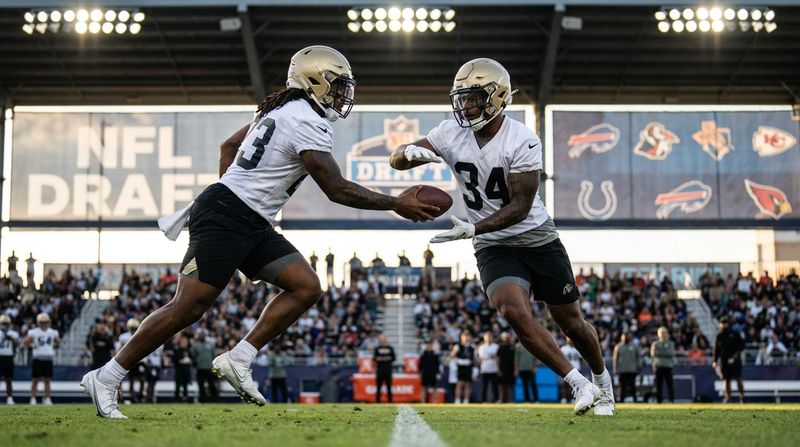
The landscape for running backs entering the NFL draft is undergoing a dramatic shift. Where once leading a college backfield as the unquestioned starter was almost mandatory for top draft consideration, the emergence of elite prospects who split carries is challenging long-held scouting conventions.
Historically, NFL teams looked to draft running backs who demonstrated durability and dominance as every-down players. Splitting time was often seen as a negative, raising questions about a player's ability to handle a pro workload. However, recent draft classes have featured marquee rushers emerging from the same backfield, signaling a shift in team philosophies and evaluation strategies.
- More running backs are entering the draft after sharing significant snaps in college offenses.
- Top prospects are no longer penalized for not being the sole feature back.
- Teams are focusing on efficiency, versatility, and long-term durability rather than raw carry counts.
This evolution reflects how the NFL itself has changed. With most teams now employing some form of running back committee, the league favors backs who can excel in specialized roles—whether as pass-catchers, short-yardage specialists, or explosive change-of-pace options. The wear-and-tear of a heavy collegiate workload, once a badge of honor, is now just as likely to be a red flag for teams worried about longevity.
Recent drafts have seen players who split time flourish in the pros. Their experience sharing carries can be seen as a positive: less mileage on their bodies, more adaptability, and a smoother transition to NFL platoons. This trend has also opened the door for multiple prospects from the same college program to hear their names called early on draft night, a scenario becoming more common as offenses diversify their attack.
For NFL front offices, the key is evaluating how a running back’s skills translate to a league that values versatility over volume. As the draft approaches, expect more teams to prioritize backs who have proven they can produce efficiently, even without being the lone star in their college backfield.
Sources
- [1]ESPN NFL