How Spirit of the Game became Ultimate Frisbee's defining principle
Ultimate’s defining trick is also its hardest test: the players police themselves. Spirit of the Game turned that challenge into the sport’s organizing principle, giving Ultimate a way to stay fast, physical, and competitive without handing authority to outside referees.
From Maplewood to a self-officiated sport
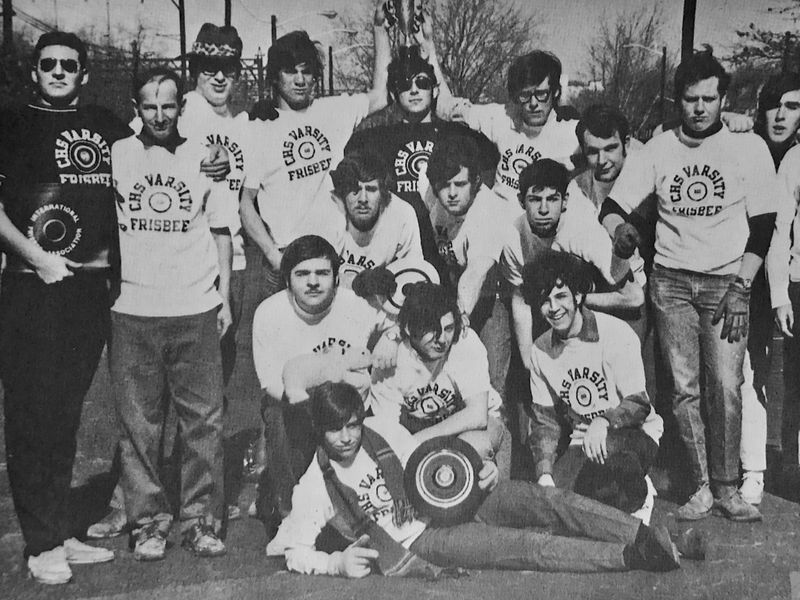
Ultimate’s roots go back to 1968 at Columbia High School in Maplewood, New Jersey, where students developed the game long before it had the structure of a modern international sport. Joel Silver is one of the names tied to that early development and naming, a reminder that Ultimate began as a student-driven experiment rather than a top-down invention.
That origin matters because the first games had no formal officiating to lean on. From the start, players had to settle disputes themselves, and that practical necessity became part of the sport’s identity. What began as a novel field game gradually hardened into a self-refereed model that could survive only if the people on the field accepted responsibility for keeping it fair.
What Spirit of the Game means on the field
WFDF treats Spirit of the Game as one of the core elements of flying disc sports, and it says Ultimate places a much higher emphasis on it than other sports place on fair play or sportsmanship. The rules preamble makes the expectation explicit: “All players are responsible for administering and adhering to the rules. Ultimate relies upon a Spirit of the Game that places the responsibility for fair play on every player.”
That language does more than praise good behavior. It builds the assumption that players are not intentionally breaking the rules, which is why Ultimate does not rely on harsh penalties for breaches in its self-refereed model. The result is a sport where honesty, restraint, and mutual respect are not decorative values, they are part of the rule structure itself.

The competitive edge is still real. Spirit does not soften the pace or reduce the stakes, but it changes where authority lives during a game. Instead of an official controlling every restart and every foul call, Ultimate depends on the people involved in the play to recognize contact, discuss contested calls, and move the game forward.
Why self-officiating works at high speed
A 2022 paper in Sports, Ethics and Philosophy describes Ultimate as a competitive team sport played, even at the highest level, without external referees. That paper identifies Spirit of the Game as the key to making the sport self-refereed, which is exactly why Ultimate can feel unusually intense while still running on player trust.
The practical tension is obvious in any high-level game. The faster the cuts, the tighter the marks, and the bigger the tournament, the more pressure there is on the players to judge contact and line calls honestly. Spirit of the Game is the framework that keeps that pressure from turning into chaos, because it asks both teams to preserve the game’s credibility even when the result is on the line.
That is also why Spirit has become a cultural marker inside the sport. Ultimate’s identity is not just about athleticism or layout catches, but about whether players can compete hard while still solving conflict on the field. In other sports, sportsmanship is often an after-the-fact ideal; in Ultimate, it is a live operating system.
How spirit scoring turned a norm into a tool
WFDF developed spirit scoring because a self-refereed sport needs a way to continuously teach and measure Spirit of the Game. The system is especially recommended for leagues and larger tournaments, where repeated games and higher stakes can make culture harder to maintain without structure.
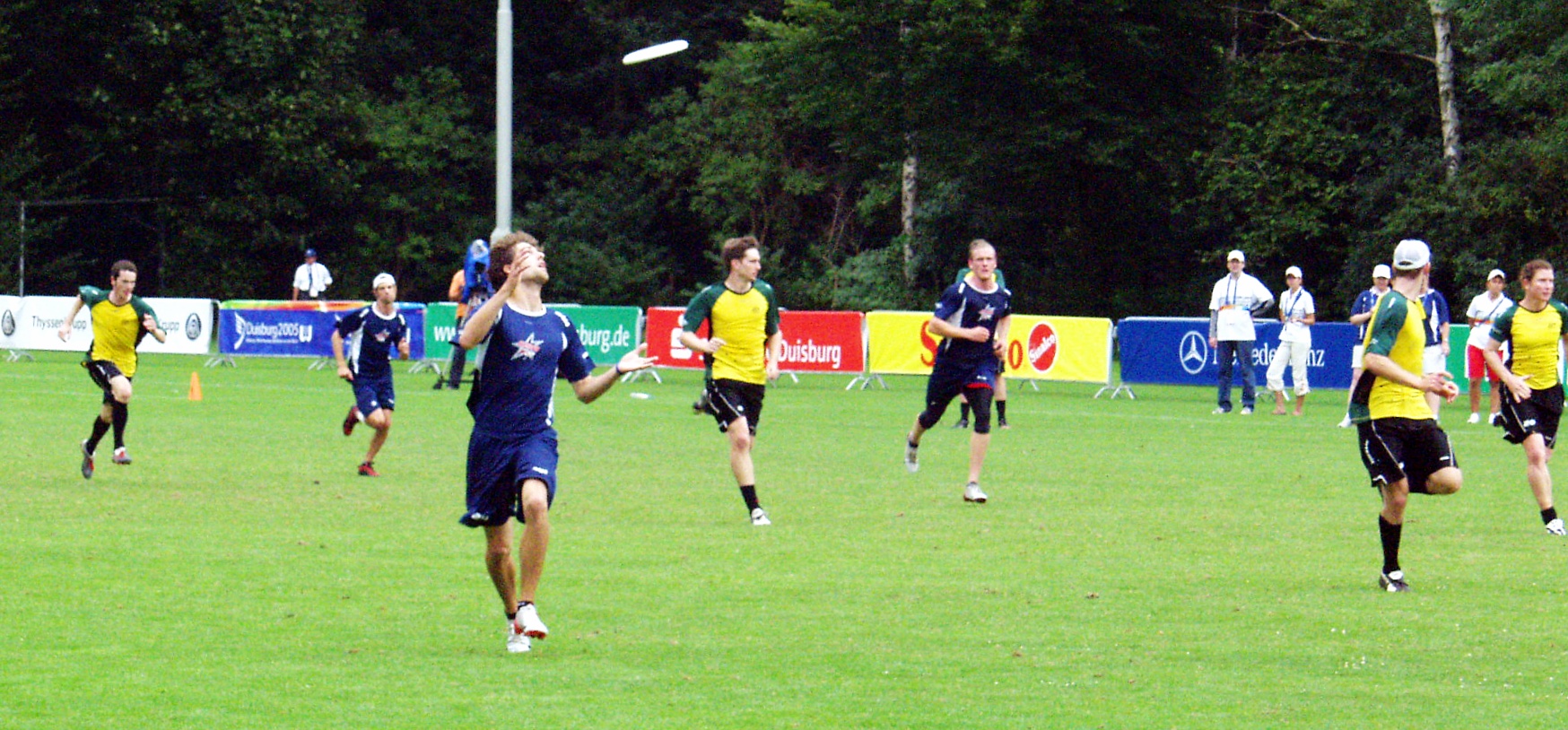
The process is immediate. Right after a game, players rate both the opposing team and their own team on the sport’s five fundamentals. That design makes Spirit more than a slogan between points, because it turns behavior into something teams can review, compare, and discuss after the game ends.
WFDF revised the Spirit Scoring System in March 2014 after review by its Spirit of the Game Sub-Committee and Ultimate Committee. The revision removed the old fifth self-reflection question and replaced it with a different format, which shows how seriously the federation treats Spirit as a living governance tool rather than a fixed slogan from the sport’s past.
Why Spirit still holds modern Ultimate together
WFDF’s current overview describes Ultimate as a non-contact, self-refereed team sport played in over 100 countries by millions of athletes of all ages. That scale is the clearest proof that Spirit of the Game is not just an ideal for small pickup games, but a system capable of supporting a global sport.
The structure has also been formalized in the rules themselves. WFDF has published updated Ultimate rules for 2025 to 2028, which shows that the sport keeps evolving while protecting the principle that made it distinct in the first place. Spirit survives not because the game stayed small, but because the sport built tools, from the rules preamble to spirit scoring, that let fairness travel with speed, size, and competitive pressure.
Ultimate’s culture still rests on that original bargain from Columbia High School: players get the freedom to manage the game themselves, and in return they carry the responsibility to make the game fair. That is why Spirit of the Game remains the defining principle, not a slogan pasted on top of the sport after the fact.
Sources
- [1]wfdf.sport
- [2]doi.org