How the Discraft Ultra-Star became Ultimate Frisbee’s standard disc

The Ultra-Star did not become Ultimate Frisbee’s standard disc by luck alone. It won because it solved the sport’s core problem on the field, then fit neatly into the approval system off it. Once the disc’s shape, weight, and feel started to define what “legal” looked like, the rest of the market had to chase a target that Ultimate itself had already moved toward.
The disc that fit the game
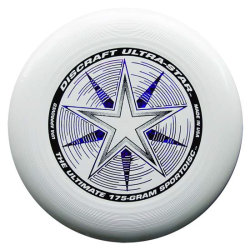
Jim Kenner introduced the Discraft Ultra-Star in 1981 at 175 grams and 10.75 inches in diameter, which made it about 10 grams heavier than the discs then being used. That extra weight mattered because it gave players a disc that was easier to throw, more predictable in the air, and faster once it left the hand. After Wham-O patents expired in 1983, Kenner added flight rings that increased stability, and the disc’s reputation grew from a useful option into the shape most players expected to see.
That mattered in a sport still sorting out its identity. In the early years of organized disc sports, promotion from Wham-O and Irwin Toy helped build the culture, but the equipment landscape was still broader and less settled. Before the Ultra-Star era, the Wham-O Master was the official tournament disc, which makes the Ultra-Star’s rise look less like a natural evolution and more like a decisive change in what the sport wanted from a disc.
By the late 1980s, the Ultra-Star had become ubiquitous on Ultimate fields. USA Ultimate says approved disc standards from that period were largely patterned after the Ultra-Star’s characteristics, which is the first big clue that this story is about standards, not just popularity. The sport did not simply choose the disc after the fact. It began defining acceptable equipment around the disc that was already winning on fields everywhere.

How approval turned a leading disc into the default
The approval side is where path dependence hardened into rule. USA Ultimate says its Disc Standards Working Group, Disc Approval Committee, and Flight Test Pool certify discs for competition by testing technical standards and flight characteristics. The Flight Test Pool is a geographically diverse mix of skilled male and female throwers, and candidate discs are evaluated through an online survey approved by the Disc Standards Working Group.
That process is not just a rubber stamp. USA Ultimate’s testing criteria say each different printing method must be approved separately, and a manufacturer that submits a disc outside the proposed ranges must file a formal exception request. In other words, the sport did not merely bless a disc and walk away. It built a system that polices not only the mold, but also the way the disc is produced and presented.
WFDF’s rules push in the same direction. Its approved disc policy says discs are reviewed for size, weight, grip, catchability, and flight characteristics, and that a change in mold or plastic requires a fresh application for approval. Approved discs must also be resubmitted for review every three years, which keeps the process alive instead of one-and-done. WFDF says it relies on USA Ultimate’s certification process for Ultimate disc approval, so the U.S. standard-setting machine has real international reach.
Why the Ultra-Star’s lead stuck
The crucial moment came when the sport’s institutions began to mirror the Ultra-Star’s design. By the late 1980s, the approved disc standards were largely patterned after its characteristics, so the disc was no longer just a good fit for the game. It was becoming the model the game itself used to define legitimacy. That is the kind of lock-in that usually looks invisible once it works, because by then the choice has already been translated into policy.
In February 1991, the Ultimate Players Association selected the Ultra-Star as the official disc for tournament play. USA Ultimate says it remains the official disc of the USA Ultimate Championship Series today, which is the cleanest evidence that the early fit never loosened. The disc’s position survived not because alternatives disappeared, but because the sport kept asking new discs to clear a test built around the same flight, grip, and consistency the Ultra-Star already offered.
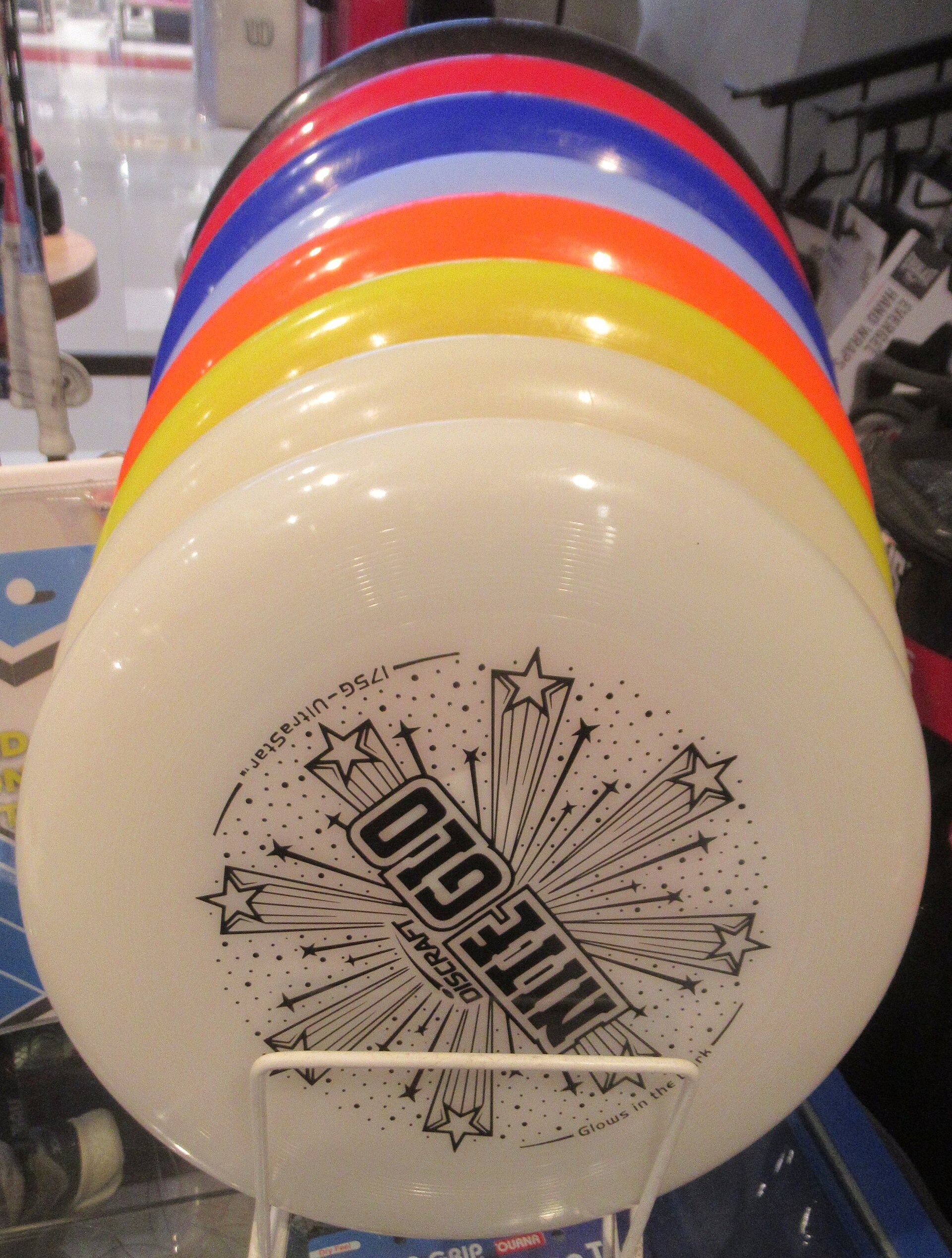
There is a business layer here too, and it is impossible to miss the scale. Discraft says about 4.9 million people play Ultimate in the U.S. alone, and that virtually all of them throw the Ultra-Star. WFDF says Ultimate is now played by an estimated 100,000 players in more than 50 countries, while its history page says USA Ultimate has more than 31,000 members. Those numbers show how a piece of equipment can become both a performance standard and a commercial default once governing bodies, tournament play, and player habit start reinforcing each other.
What the standards are really protecting
USA Ultimate’s current approval framework separates discs into Championship, General, and Youth categories, with Championship approval reserved for high-level competition. That matters because it shows the sport is not trying to freeze innovation entirely. It is trying to protect a specific competitive experience, one where a disc must feel consistent in the hand and behave predictably in the air across tournaments, divisions, and manufacturers.
The real lesson is not that the Ultra-Star was magic plastic. It was a disc that happened to fit the needs of organized Ultimate at exactly the right moment, then benefited from an approval structure that rewarded consistency over novelty. Once the flight rings, the 175-gram weight, and the 10.75-inch frame became the reference point, the standard and the market started feeding each other. That is how a single mold stops being just a product and becomes part of the sport’s operating system.