How the Mullany family built Wiffle Ball into a lasting staple
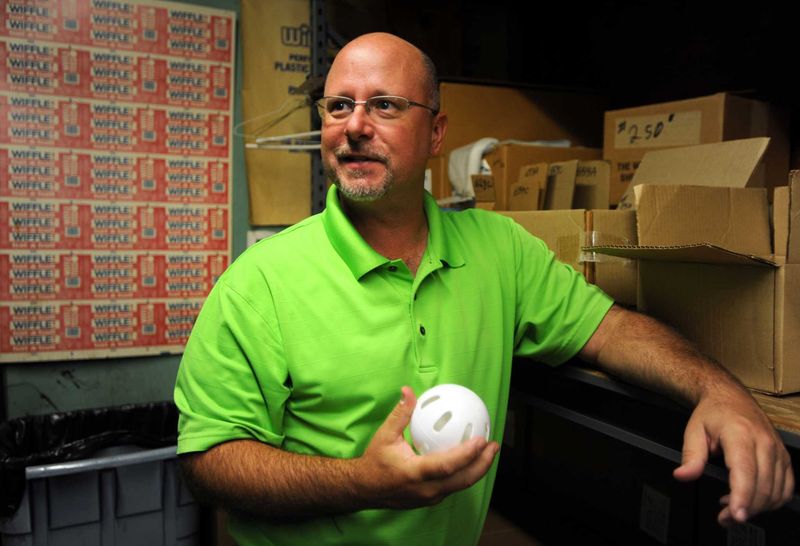
David N. Mullany did not build Wiffle Ball like a polished consumer brand. He financed early production with a second mortgage, packed the first batch into the family station wagon, and sold the balls from a diner parking lot for 49 cents apiece. That beginning explains almost everything that followed: Wiffle Ball was designed to move easily, cost little, and fit into ordinary family life without a field crew, a league schedule, or a pile of gear.
A family business built around access
The National Baseball Hall of Fame traces the next step to Manhattan, where the Mullany family shifted sales after that first parking-lot run. Soon, Woolworth was carrying Wiffle Balls, and by 1959 the family was operating its own factory in Shelton, Connecticut. The business never lost its small-company feel, even as distribution widened, because the product itself still looked and behaved like something a family could buy, toss in a car, and use the same afternoon.
That homegrown structure matters because Wiffle Ball’s appeal has always lived in how little it asks of the people playing it. The ball was not launched as a luxury item or a highly engineered training tool. It was a cheap, light object that made a game possible in a yard, driveway, alley, or cul-de-sac, and the Mullany family kept building around that reality instead of trying to turn it into something more complicated.
Why “keep it simple” became the winning model

The Business History Conference describes the Mullany family approach as “Keep it simple,” and the phrase fits the company’s long economic logic. The baseball-size Wiffle Ball sold for 39 cents when it first hit the market in 1953, and by 2008 it had risen only to $1.39, even as many other everyday products climbed far more sharply. In a youth sports culture that often pushes travel teams, private instruction, and expensive equipment, that price path is a striking part of the story.
Affordability is only part of the equation. The Strong National Museum of Play notes that the company produced millions of balls and established official game rules and field dimensions from Shelton. That gave Wiffle Ball something rare for a backyard game: a recognizable structure without the burden of full-scale organization. You could start with almost nothing and still feel like you were playing the real thing.
A product made for small spaces and quick setup
Wiffle Ball’s staying power comes from how easily it adapts to the space a family already has. The ball itself is light and portable, which means the game does not depend on a diamond, a scoreboard, or a field crew. A pair of sticks, a plastic bat, a patch of pavement, and a little room are enough to turn an afternoon into a game.
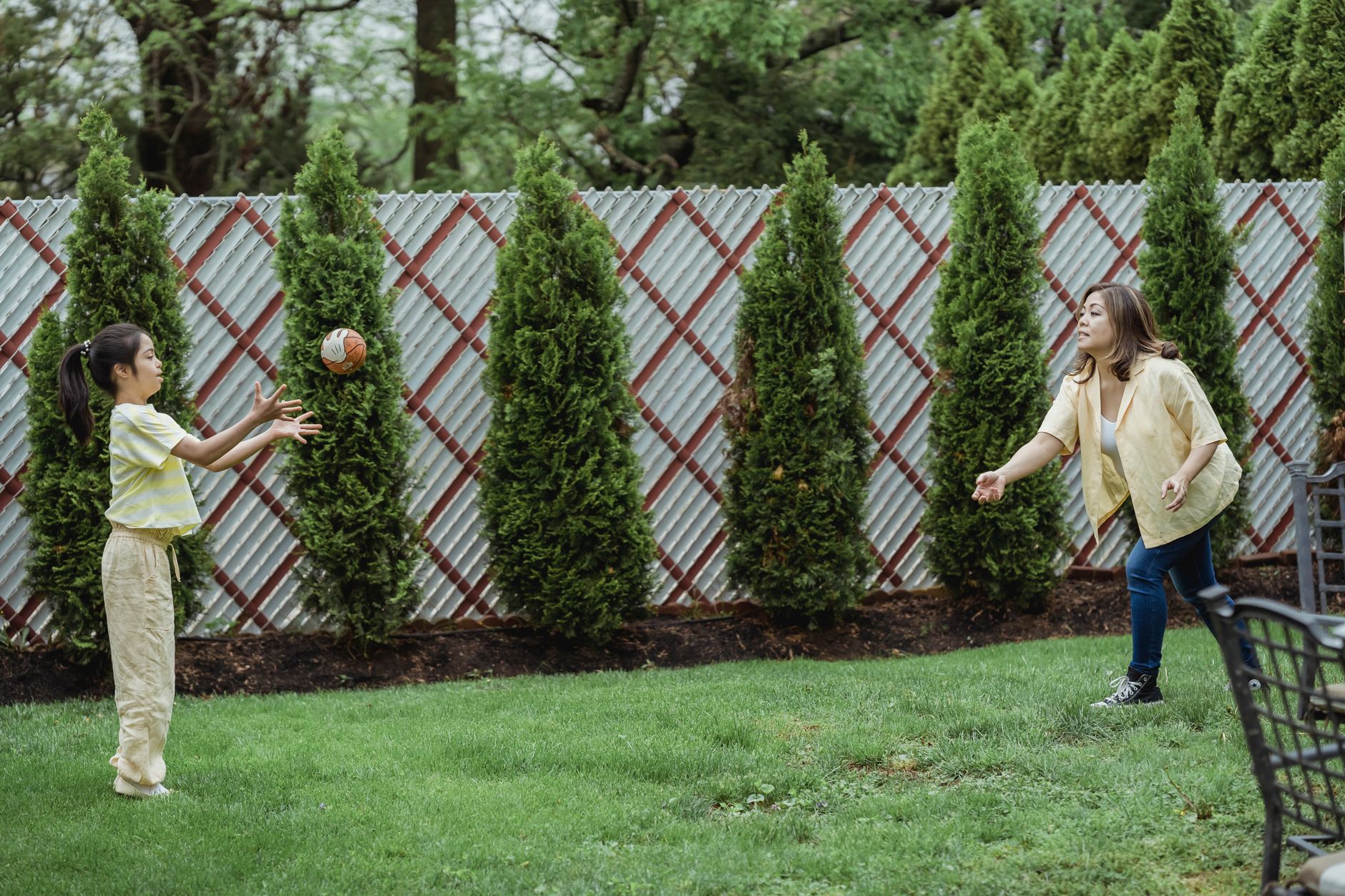
That portability is the anti-travel-ball origin story in its purest form. Instead of driving to a complex, booking a cage, or buying into an expensive program, families could improvise a game in minutes. The point was never to recreate organized baseball on a grand scale; the point was to make baseball accessible in the smallest practical space, with the least possible friction.
How the brand kept baseball’s feel without losing its backyard identity
The company did not hide from the game’s baseball roots. In the 1960s, it ran a black-and-white television ad with Whitey Ford showing grips kids could use “to throw a curve like a major leaguer.” That message was shrewd: it gave children a clear pathway to imitate the pitches they saw from real professionals, while keeping the entry point simple enough for a backyard.
Packaging later featured MLB stars including Lou Brock, Carlton Fisk, Tony Pérez, Jim Rice, Tom Seaver, Mike Schmidt, Willie Stargell, and Ted Williams. Those names gave the product credibility and connected it to the sport’s larger culture, but the core promise stayed the same. Wiffle Ball was still a game you could understand quickly, play almost anywhere, and afford without making a major commitment.
Why the model endured
Wiffle Ball lasted because the Mullany family protected the parts of the product that made it useful in the first place. It stayed inexpensive enough to be an easy buy, simple enough to organize on short notice, and portable enough to follow a family wherever there was open space. The company’s own history, from a second mortgage to a factory in Shelton, Connecticut, shows a business that grew without abandoning the qualities that made the game work.
That is why Wiffle Ball still fits the moment. In a sports landscape where too many youth experiences come bundled with fees, schedules, and specialized gear, Wiffle Ball remains the opposite: a game built on ease, modest cost, and the freedom to start without permission. The Mullany family did not just sell a ball. They built a product that kept baseball close to home.
Sources
- [1]thebhc.org