How the USL Championship builds its schedule across 36 teams
The 2019 USL Championship schedule landed in December for the first time, and that timing mattered as much as the dates themselves. A four-and-a-half-month process tied the league and its clubs together, because every match had to fit stadium windows, travel realities, rivalry demands and broadcast priorities before a ball was kicked.
Why the calendar takes months to build
The league’s schedule is not a simple table of fixtures; it is a negotiated map of the season. Clubs need home dates that work with stadium availability, and the league has to protect teams from unnecessary travel strain by limiting wasteful cross-country movement wherever possible. With clubs spread across the continental United States and multiple time zones, even a clean-looking calendar can hide hard compromises on rest, fairness and logistics.
That scale is part of what makes the process take four-and-a-half months rather than a few days. USL Championship is sanctioned by the U.S. Soccer Federation as a Division II professional league, headquartered in Tampa, Florida, and reaching a population of more than 84 million.
What the 2019 slate looked like
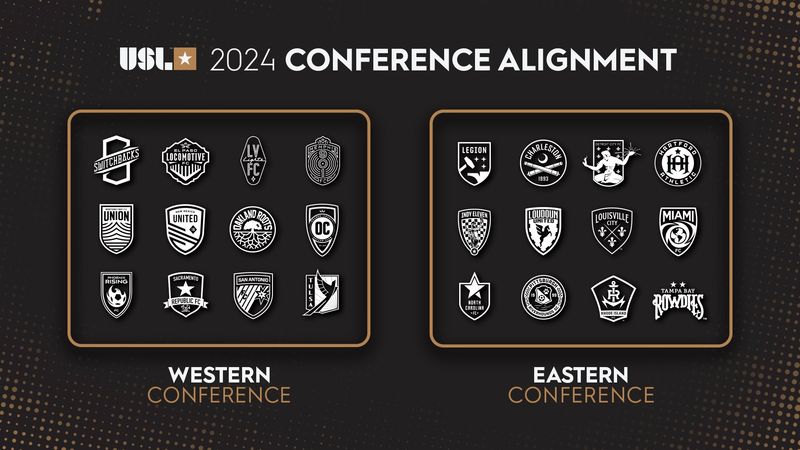
The 2019 regular season brought 36 teams and 612 games over 33 weeks, which the league called the biggest year in its history. A 36-team league creates a dense web of matchups, and every added game multiplies the pressure on venues, travel budgets and competitive balance.

The release on Dec. 19, 2018 gave fans more time to line up away trips, set season-ticket plans and lock in travel before prices moved. For clubs, it opened a marketing window to promote marquee matches before the season started, rather than after anticipation had already cooled.
That same day, clubs such as DC United and Louisville City FC put out their own schedule announcements. Louisville City FC’s announcement also pointed to a new playoff format.
Where the competitive edge hides
A schedule can tilt a season without changing a scoreline on paper. A team that gets buried in a long summer road swing faces more fatigue, more hotel nights and more chances for points to slip away in late-game moments. A club that draws a more balanced run of home dates can manage training and recovery differently, and by autumn that can show up in the standings.
The league also has to make room for rivalry windows, holidays and TV windows, because those are the dates supporters notice immediately. Rivalry matches often carry the highest local stakes, and the calendar has to give them enough space to feel like events rather than leftovers. Weather and venue conflicts add another layer, especially in a league with such a wide geographic footprint, where climate and stadium availability can push an ideal date off the board.
Broadcast planning shapes the finish too. The 2019 USL Championship Final was set for Sunday, Nov. 17 and scheduled to air on ESPN2 for a second consecutive season.
Why supporters feel the schedule immediately
Fans do not see the four-and-a-half-month planning cycle, but they feel the results in plain ways. An early release lets supporters book away travel, set aside money for hotels and tickets, and identify which weekends are worth circling months ahead. It also tells season-ticket holders when the biggest home dates are likely to fall, which changes how a club sells the year.
The calendar also shapes how the season is experienced week to week. A cluster of home matches can energize a run, while a difficult stretch of travel can turn one month into a grind.
The balance the league has to hold every year
USL Championship’s schedule-making always comes back to the same set of tradeoffs: fairness, travel, stadium availability, climate and broadcast value. The league operates across the continental United States from its base in Tampa, and that geography makes a perfect schedule impossible.
Sources
- [1]uslchampionship.com
- [2]dcunited.com
- [3]newyorkredbulls.com
- [4]uslsoccer.com
- [5]loucity.com