How Wiffle ball helps MLB hitters sharpen timing and hand-eye skills
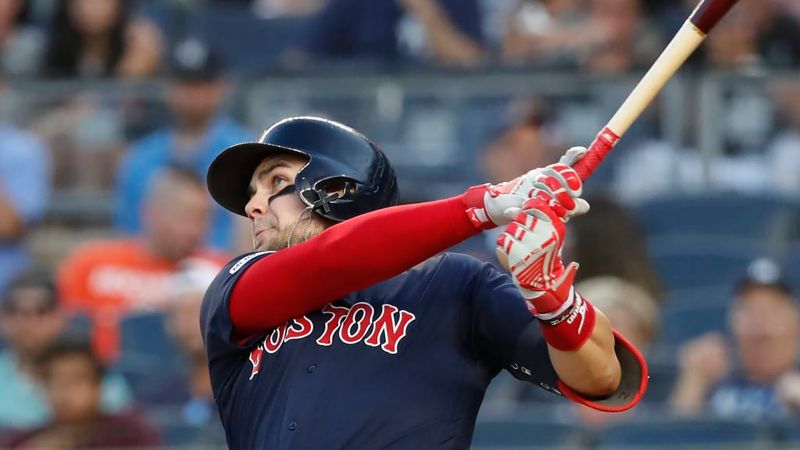
Michael Chavis built Wiffle ball into his swing work in Florida because it let him chase curveballs and sliders without a cage, a machine, or a full field. The same logic shows up anytime hitters need fast, repeatable reads on movement.
Why the ball works for hitters
Wiffle ball strips hitting down to its hardest parts: seeing the ball early, recognizing what it is doing in flight, and keeping the barrel on time long enough to square it up. Chavis put it plainly when he said, “Literally the Wiffle ball has kind of become a little bit of my baseball-swinging training,” because the format gives him movement work without a lot of setup. It matters for pitch recognition, but it also matters for bat path, because the ball’s wobble and late break force a hitter to stay through the zone instead of lunging at the first look of the pitch.
The drill translates directly to baseball development. A hitter is not just trying to make contact with a plastic ball. He is learning to read a pitch shape, hold his load, and adjust late when the ball bends, floats, or darts. The ball may be light and cheap, but the problem it creates is real: if you commit too soon, you miss.
How big-league players use it
The training logic is not isolated to one player. MLB Network aired a 2018 hand-eye coordination segment in which Carlos Peña and Bill Ripken demonstrated a hitting drill built around that same skill set. If the eyes stay quiet and the hands react cleanly, the swing gets sharper.
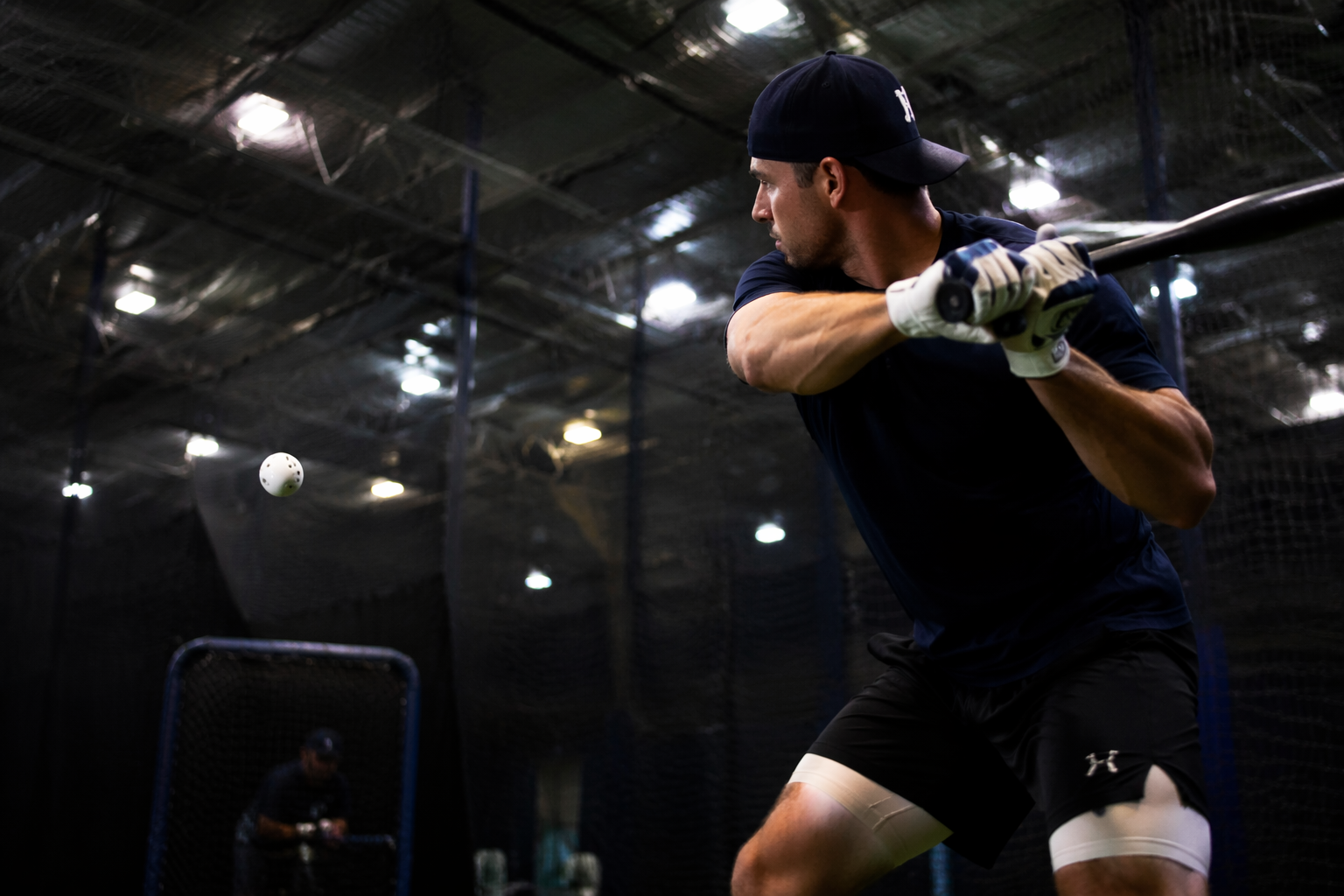
Dexter Fowler made the same case in 2020, when he described trying to find a short-distance Wiffle Ball machine for the yard. “Let’s see if we can get a Wiffle Ball machine that can throw short distances, and we can play in the yard like little kids,” he said. A shorter setup forces quicker recognition, which is exactly why Fowler said the work helped his hand-eye coordination and timing.
From childhood reps to elite swings
Wiffle ball shows up before players ever reach a pro clubhouse. Mike Trout wrote that he played Wiffle ball with friends in Millville, New Jersey, as a kid, tying the game to early swing formation, not just offseason maintenance. The sport teaches the same instincts children need in any backyard game: read the flight, adjust the barrel, and make solid contact in a small space.
During quarantine, Quinn Biggio’s family turned the shutdown into a backyard Wiffle Ball World Series. They used cardboard-box bases and a house rule that home runs were off limits.
Why teams and youth programs keep using it
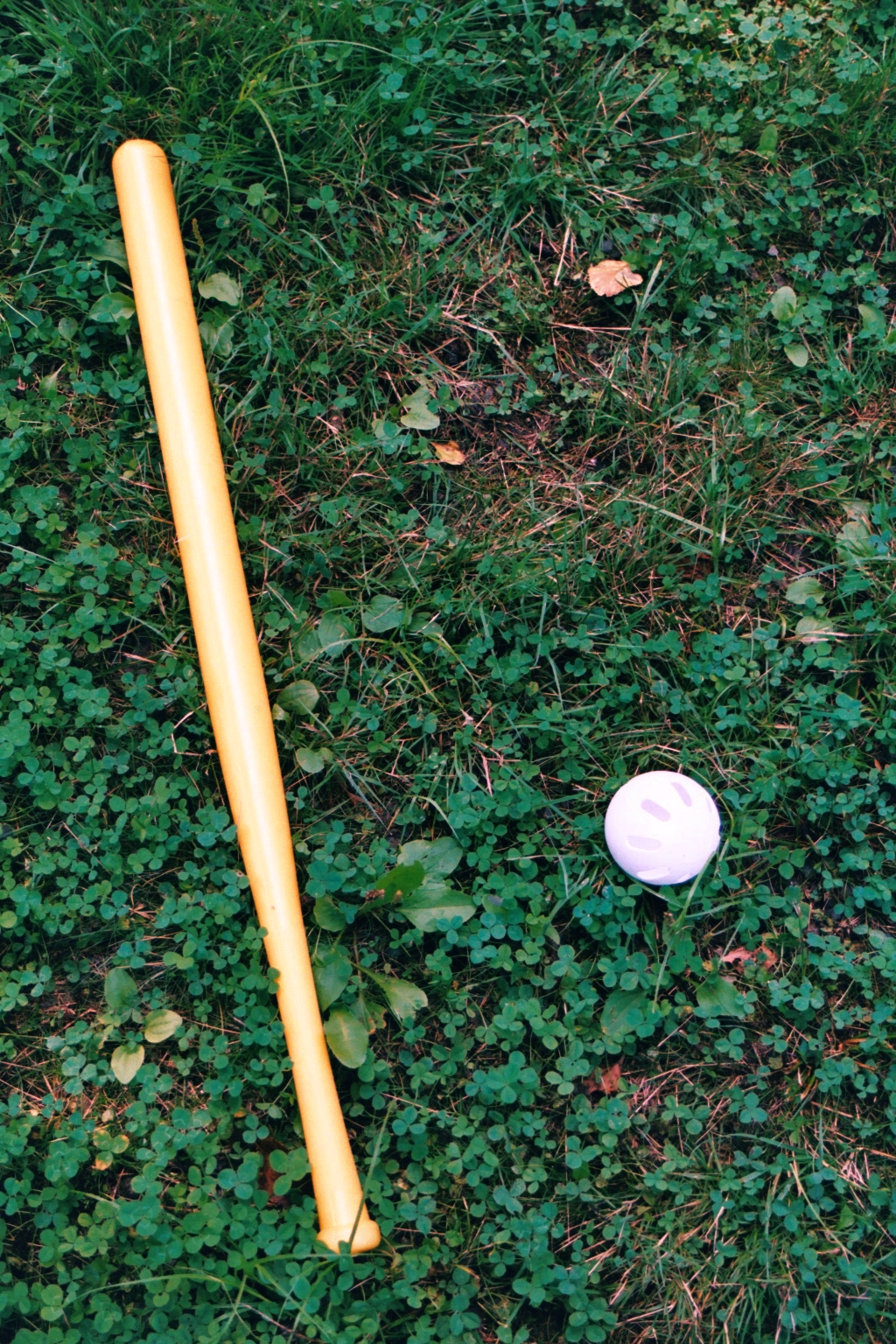
Major League Baseball has long grouped Wiffle ball with stickball and Pitch, Hit and Run as part of its broader non-traditional baseball play, and the game still shows up in organized settings for the same reason it works in a backyard. In 2015, an All-Star-related event included a Wiffle-ball tournament for kids ages 9-12.
In 2026, the Toledo Mud Hens planned a Wiffle-ball game and a youth baseball and softball clinic for around 450 kids. It gives young players a fast way to compete, learn spacing, and get comfortable seeing the ball come in with movement.
A format built for modern attention
Wiffle ball has also developed its own audience. In 2022, Major League Wiffle Ball had more than 350,000 YouTube subscribers, 54 million views, 148,000 Instagram followers and 492,000 TikTok fans.
Sources
- [1]mlb.com
- [2]theplayerstribune.com