Hutchinson anchors NJCAA men's basketball championship tradition
Hutch is more than a host city in NJCAA men’s basketball. It is the word that tells you where the season really goes when the bracket tightens and the pressure turns real. The NJCAA has built official championship language around Hutchinson, Kansas because, in this sport, getting there is the point.
Why Hutch is the measuring stick
The NJCAA has gone so far as to make “Hutch” its own shorthand in an official feature on the Division I men’s tournament, and that tells you how deeply the city is baked into the sport’s identity. Hutchinson, Kansas is not treated like a neutral stop on the calendar. It functions as the destination, the benchmark, and the place where junior-college basketball explains itself.
That matters because coaches and players do not talk about the national tournament the way they talk about a random event on a schedule. Hutch is the backdrop for recruiting pitches, season goals, and pressure that starts months earlier. If a program is built to “get to Hutch,” that means the schedule, roster construction, and late-season form are all being measured against one place.
The NJCAA’s championship hub keeps that identity visible by naming Hutchinson as the home of the 2025 and 2026 Division I men’s championships and listing the Hutchinson Sports Arena as the venue. That continuity is the point. When the same city keeps hosting the sport’s biggest stage, Hutch stops being just a location and becomes part of the bracket itself.
How the championship got here
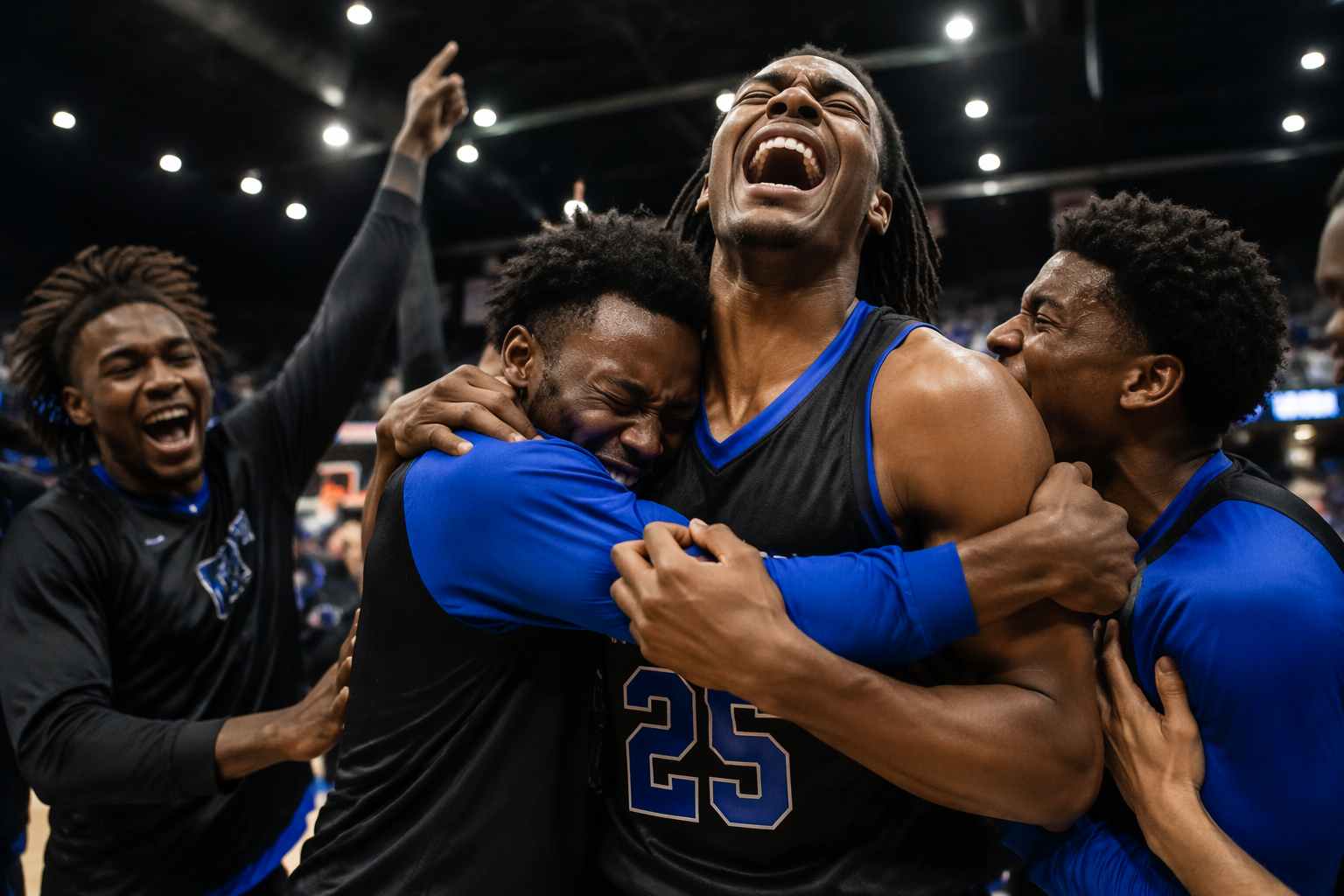
The tournament’s roots go back to 1945, when NJCAA leaders gave member colleges permission to launch an invitational basketball event during a period when World War II had weakened national competition. That early event, the Western States Basketball Tournament, ran from 1945 to 1947 and laid the groundwork for what later became the national championship. The modern lineage is usually traced to the late 1940s, with College of Marin listed as the 1948 champion in common history references.
That origin story matters because it shows the championship was built out of necessity before it became a tradition. This was not a polished, preplanned national showcase. It grew from a wartime workaround into a defining event for two-year college basketball, which is why the word Hutch carries so much weight now. The tournament did not simply arrive fully formed. It earned its place.
The result is a championship culture with a long memory. Every time the bracket narrows and the field lands in Hutchinson, the tournament is connecting back to the practical decision that started it all in 1945. That is the kind of history players feel when they step into the building, even if they have never read the official chronology.
The arena, the dates, and the business around the event
The Hutchinson Sports Arena is the fixed point in the modern tournament plan. The NJCAA’s championship pages identify the 2025 championship in Hutchinson from March 22-29, 2025, and the 2026 championship from March 21-28, 2026, with the arena named as the host site for both. Visit Hutch’s event listings also place the tournament there, which shows how tightly the city’s sports identity is tied to the national junior-college stage.

The tournament also has a real economic footprint beyond the box score. NJCAA ticket announcements noted that tickets were on sale for the 2025 championship, and American Legion Post 68 says it receives a percentage of all tournament tickets sold starting with the 2026 event. That gives Hutch another layer of significance: the championship does not just bring teams and fans into the building, it feeds the local civic ecosystem around it.
That local pull helps explain why Hutch feels different from a generic neutral court. It is a recurring postseason destination with dates, a known building, and a community that expects the championship to arrive every spring. For the programs that qualify, that routine becomes part of the annual chase.
The awards that tie today’s tournament to its past
Hutch’s hold on the championship is reinforced by the tournament’s recognition culture. The William B. French Most Valuable Player Award goes to the tournament’s outstanding player based on sportsmanship, ability and overall performance. It is not just a trophy for one hot scoring run. It is a title that connects current stars to the history of the event itself.
Bill French gives that award its meaning. He was an NJCAA All-American at Hutchinson, earned selection to the 1960 All-Tournament team, and the NJCAA says he and his wife, Mary Kay, died in an automobile accident in 1968. Naming the MVP award after him turns the honor into a memory as much as a performance marker. Every year’s winner is entering a line that started with a Hutchinson player who helped shape the tournament’s identity.
That connection stayed active in 2025, when Terry Copeland of Howard in Texas won the William French MVP Award. The award was also front and center in the 2019 title game, when Vincennes University beat Ranger College 87-77 at the Hutchinson Sports Arena. In that final, Vincennes coach Todd Franklin received the Coach of the Tournament Award and Kevin Osawe took the William B. French MVP Award, a reminder that Hutch’s legacy is built on both the team trophy and the individual performances that decide it.
Why the Blue Dragons and the city keep the standard alive
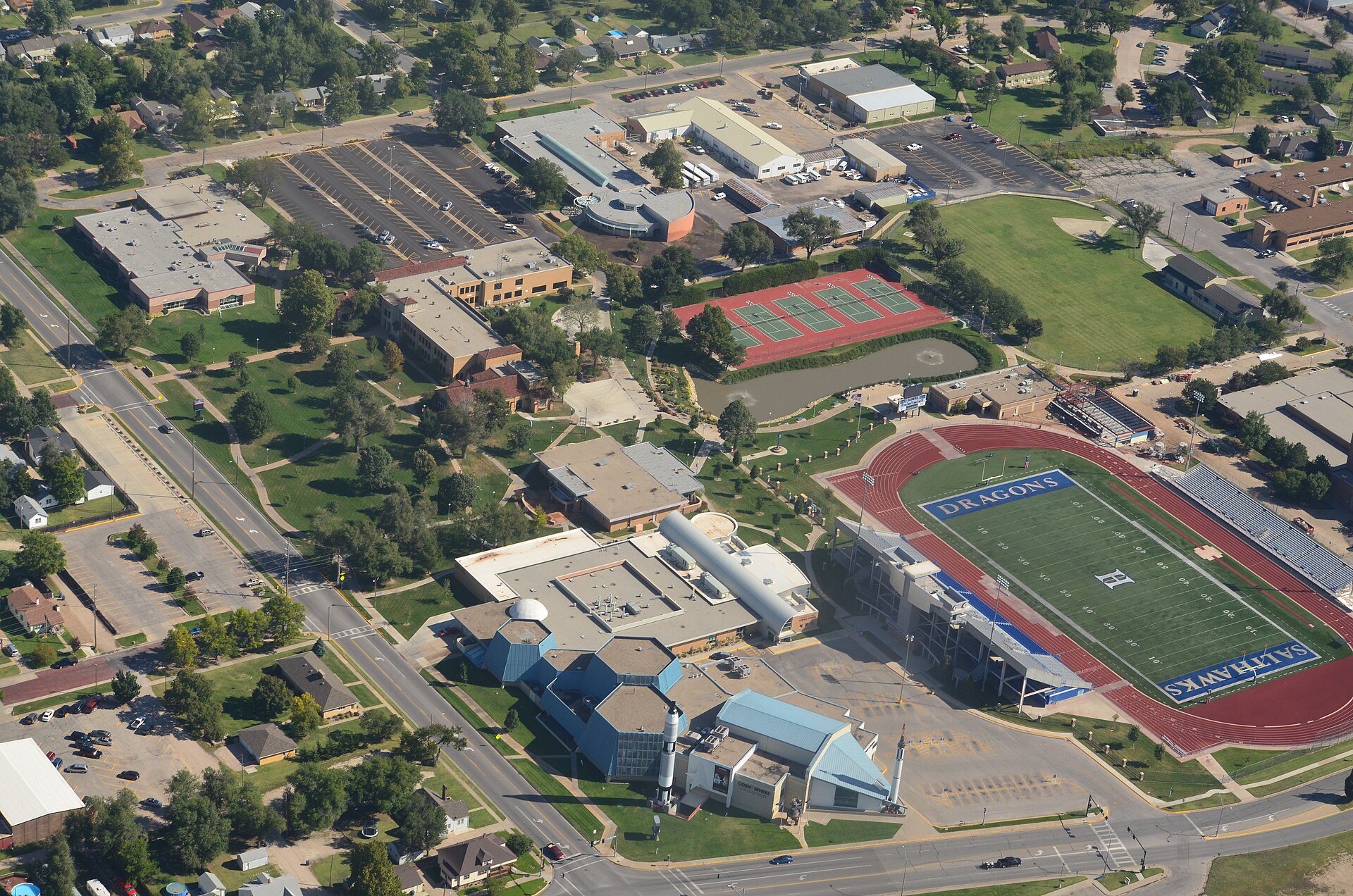
Hutchinson Community College’s men’s basketball history page includes its own national tournament recaps, which is exactly what you would expect from a program in a city that lives inside the event’s identity. The Blue Dragons are not just adjacent to the championship scene. They are part of the culture that keeps Hutch relevant year after year.
That is why “getting to Hutch” works as a measuring stick across the sport. It is not only the final destination on the bracket. It is the proof that a team survived the regular season, handled the pressure, and earned a spot on the floor where NJCAA history gets added to in real time. Every March, the championship returns to the same city, the same arena, and the same standard. That is Hutchinson’s edge, and it is why the name still means so much across NJCAA men’s basketball.
Sources
- [1]njcaa.org
- [2]visithutch.com
- [3]hutchnews.com
- [4]hutchpost68.org