Inclusive Padel Tour returns to UK with elite, adaptive competition
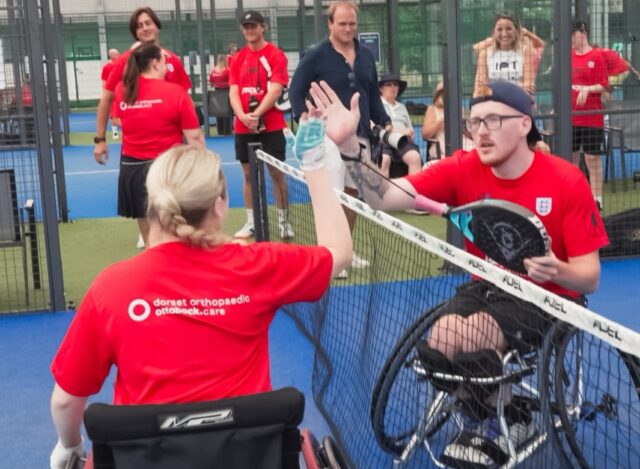
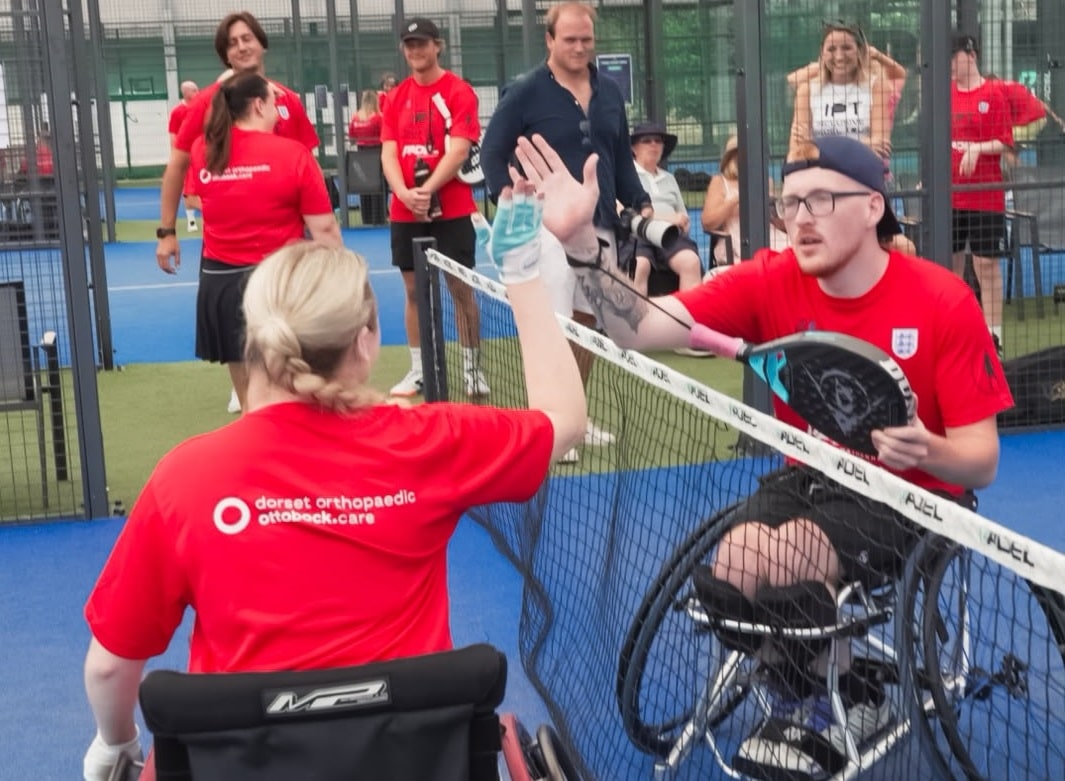
Padel Maidenhead hosted the Inclusive Padel Tour’s first British stop on 20 September 2025, drawing 32 pairs from across the UK, Spain, Italy, Belgium and the Netherlands into the same competition. Disabled and non-disabled athletes played side by side through a full day of matches, with the event built around competition first and accessibility woven into the venue around it.
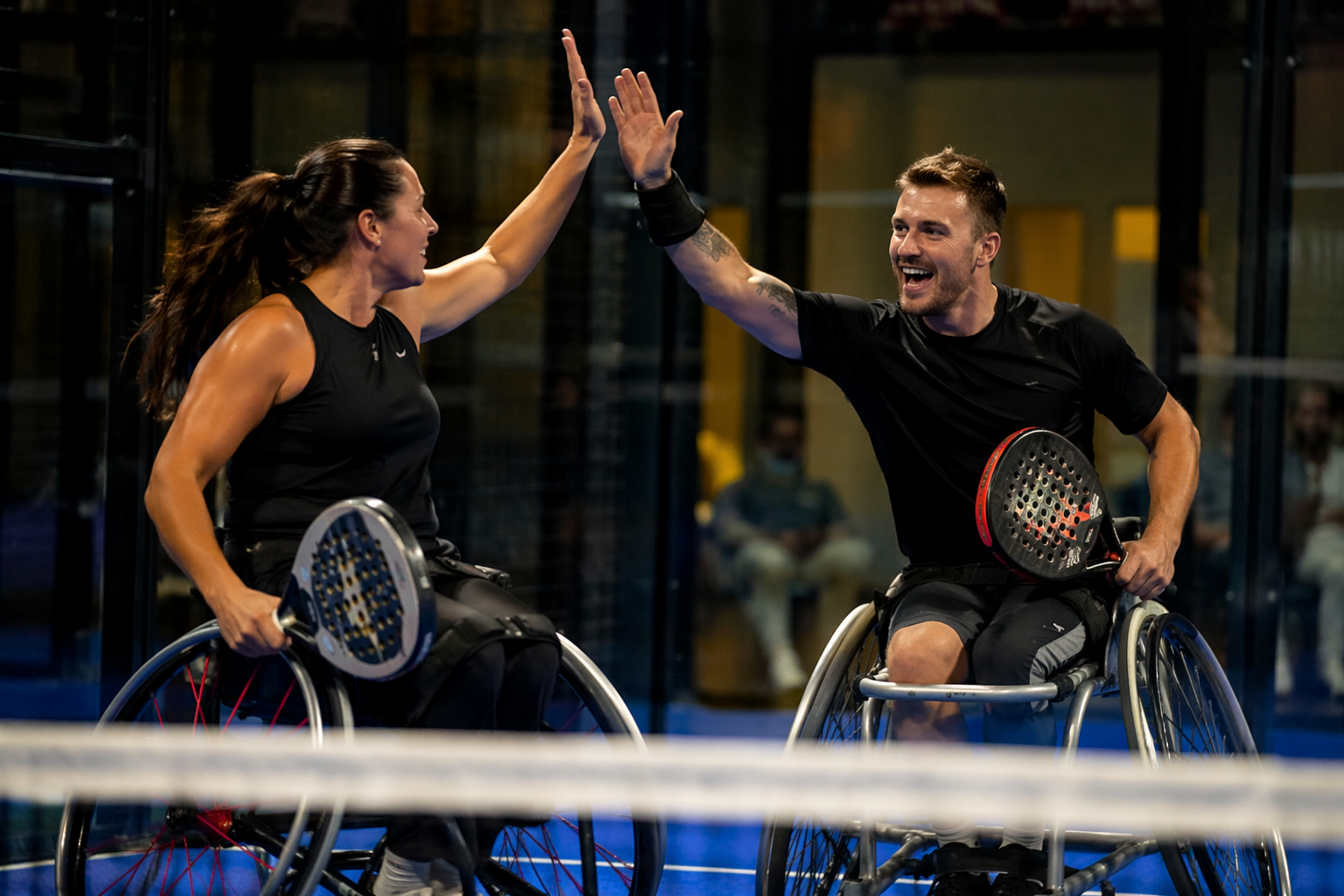
The tour format is what makes the stop distinctive. Each team pairs one disabled player with one non-disabled player, and the rules are adapted depending on the disability category. The Inclusive Padel Tour describes itself as the first padel circuit in the world where athletes with and without disabilities can compete together in a team, and Maidenhead was the seventh stop on its 10-date 2025 calendar after Rome, Miami, Nice, Venice, Lugano and Palma, with Milan, Turin and Dubai still to come.
The setting mattered as much as the draw. The Lawn Tennis Association said Padel Maidenhead had opened only a year earlier with wheelchair access built in from the start, including extra-wide court-side doors, no stairs or gravel to negotiate, and four sports wheelchairs available free of charge. The club also has seven outdoor courts that meet LTA Grade A competition standards and one indoor court, a layout that let the tournament run at a serious competitive level rather than as a token showcase.
Kristen Paskins, Great Britain’s No. 1 female wheelchair padel player, brought that point into sharp focus. The Dan Maskell Tennis Trust lists her as the country’s leading female wheelchair padel player, and the LTA said she has already competed on the Inclusive Padel Tour in Venice, Milan, Dubai and Miami. Council minutes show Padel Maidenhead founder Phil Basford asked Paskins to assess accessibility before the club opened, a detail that underlines how deliberately the venue was planned.

The LTA also said Maidenhead has invested beyond elite competition, with female-participation, junior and school partnerships, including work with special schools for pupils with disabilities and special educational needs. That broader outreach fits a sport that is still expanding quickly in Britain, where the LTA said 400,000 people played padel at least once in 2024 and 860,000 adults and juniors had played in the year ending 2025. At Maidenhead, the practical blueprint was clear: accessible courts, adaptive equipment on site and a draw built to mix elite play with inclusion from the start.