IndyCar Unveils Major 2026 Rule Changes: Tire Mandate and Indy 500 Safety Overhaul
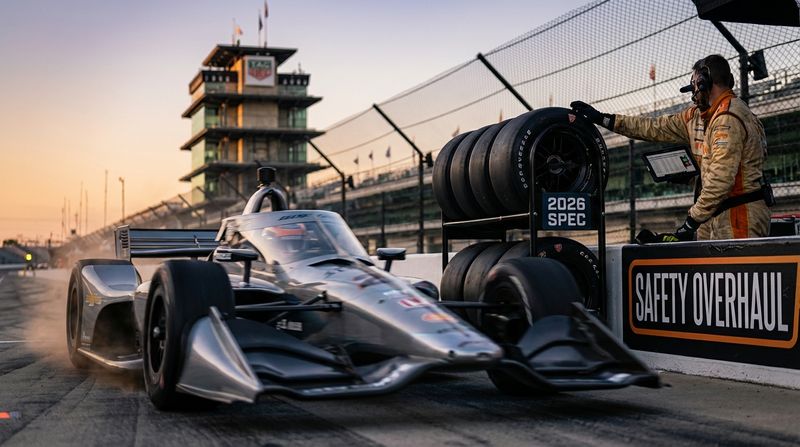
IndyCar is set for a transformative 2026 season, as the series has announced a slate of substantial rule changes centered around a new tire mandate and a renewed focus on safety for the iconic Indianapolis 500. The measures, revealed ahead of the new campaign, underscore the sport’s commitment to both competitive integrity and the well-being of its drivers.
The most immediate headline is the introduction of a mandatory tire regulation, which will standardize the compounds and specifications used across all teams for the season. This rule aims to level the playing field, ensuring that no single team can gain a significant advantage through proprietary tire development. Series officials believe the mandate will place a greater emphasis on driver skill and team strategy rather than technical disparities.
- All teams will be required to use the same make and model of tire at each event
- Tire compound selections will be predetermined by IndyCar for every race weekend
- Mid-race tire changes will be closely monitored to enforce compliance
Alongside the tire regulation, IndyCar is rolling out a comprehensive safety initiative specifically targeting the Indianapolis 500. This comes after ongoing evaluations and safety studies highlighted areas for improvement at the high-speed oval event, which remains the crown jewel of the series’ calendar. The 2026 safety push includes enhancements to cockpit protection, new barrier technologies around the circuit, and updated driver equipment standards.
- Reinforced cockpit protection systems will be mandatory for all Indy 500 entrants
- Additional SAFER barrier installations and upgrades throughout the Indianapolis Motor Speedway
- Helmet and fire-suit regulations updated to meet the latest international safety benchmarks
These changes were developed after extensive consultation with teams, drivers, safety experts, and tire suppliers. IndyCar leadership has expressed confidence that the new rules will produce closer, safer racing, particularly at the high-stakes Indy 500. The tire mandate is anticipated to reduce costs while amplifying the importance of in-race tactics and pit strategy, as teams will now have to adapt to the same rubber throughout a range of conditions and circuits.
As the 2026 season approaches, teams and fans alike will be watching closely to see how these sweeping reforms impact the competitive landscape. The new tire mandate and safety enhancements for the Indianapolis 500 represent one of the most significant regulatory overhauls in recent series history, signaling IndyCar’s ongoing evolution in pursuit of both sporting excellence and driver protection.
Sources
- [1]PFSN