Inside the Mock Selection Sunday: What Could Shape March Madness 2026
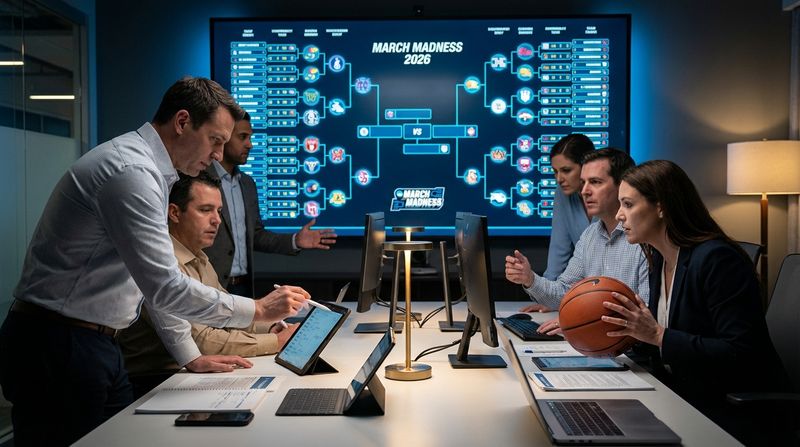
The annual Selection Sunday exercise offers a crucial window into how the NCAA tournament bracket might be built—and this year’s mock event underscored just how complicated the process has become. From advanced analytics to the ripple effects of star injuries, the simulated selection revealed the factors poised to define March Madness 2026.
Committee members in the mock exercise faced tough decisions on bubble teams, dealt with the implications of key injuries—such as Alabama’s Charles Bediako—and debated the growing role of efficiency metrics in team evaluation. Here’s an in-depth look at the six most significant takeaways from the session, each with the potential to impact the real tournament field:
- Metrics are front and center: The mock committee heavily relied on advanced statistics like the NET, KenPom, and Sagarin rankings. These numbers didn’t just break ties—they often defined whether a team was in or out. As the sport leans further into analytics, teams with strong efficiency profiles have a significant edge.
- Injuries matter more than ever: Star absences, such as the ongoing uncertainty around Charles Bediako of Alabama, forced the committee to consider not just a team’s resume, but its current roster strength. The exercise highlighted that teams missing key contributors in March may see their seed lines drop or even risk exclusion.
- Bubble teams walk a tightrope: The difference between at-large inclusion and being left out remains razor-thin. One metric, a bad loss, or a missing player can swing a team’s fate. This was repeatedly evident as the mock committee debated resumes with near-identical records but different quality wins and losses.
- Non-conference scheduling still counts: Teams with robust non-conference schedules continued to benefit in the exercise, especially if they secured notable wins. The committee emphasized rewarding programs that challenge themselves early, reinforcing a trend seen in recent tournaments.
- Power Conference bias under scrutiny: While major conference teams often have more opportunities for quality wins, the committee in the mock session discussed the need for fairness to strong mid-majors. This could signal a more open door for top performers from outside the power leagues.
- Current form is critical: The committee placed emphasis on how teams are playing late in the season. Slumps or surges in February and early March weighed heavily, sometimes even more than early-season performances.
The mock Selection Sunday provided a realistic blueprint for how the NCAA’s real committee might approach the 2026 bracket. With the lines between teams increasingly blurred, the ability to stand out—via metrics, health, or recent performance—will be decisive. The unpredictability and drama of March Madness are alive and well, with every detail scrutinized as Selection Sunday approaches.