Investors pour into padel as US market heats up
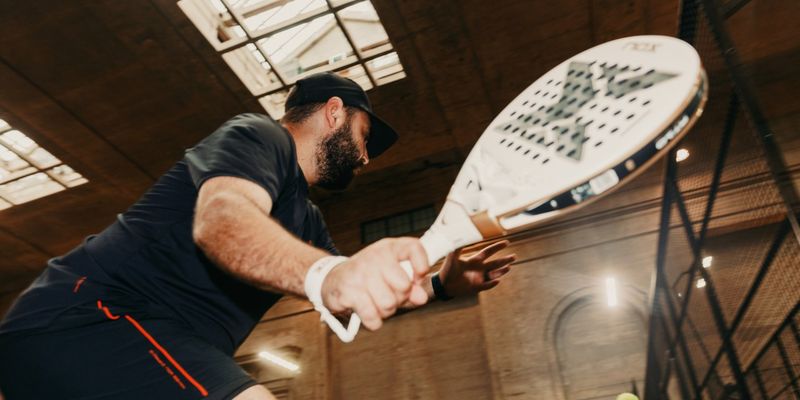
Fashion executives and coffee-chain founders are putting money into padel, betting the glass-walled racket sport can become the next big U.S. play after pickleball. The bet only works if that capital turns into courts, coaching, league ladders and players who come back more than once.
Why padel keeps pulling capital
Padel originated in Mexico and is usually played as doubles on an enclosed court with glass and metal-mesh walls. That format gives the sport a built-in club feel: rallies stay alive off the back wall, matches are social, and the game can be packaged as a premium experience rather than a bare-bones court rental.
The sport has long been a major game in Spain and other countries, which makes the U.S. opportunity look less like invention and more like import. The Wall Street Journal’s recent look at the market framed padel as a cousin of squash and tennis with entrepreneurs from fashion and coffee looking to cash in, and that kind of money tends to flow fastest when a sport already has a playbook overseas.
The U.S. conversation has been building for years
The sport did not materialize out of nowhere in America. The Racquet Sports Professionals Association called padel “fast, fun, and growing like crazy” in an April 2, 2019 video, a sign that racquet-sports insiders had already spotted the momentum long before the latest investment wave.
By April 6, 2024, The New York Times was already describing the padel scene in New York City, showing the sport had moved into a real urban market and not just a niche conversation among club operators. That matters now because the current investment surge is landing on top of a market that already had early adopters, especially in dense cities where court time, social play and premium memberships can support one another.
What makes a U.S. market stick
The real question is not whether padel can attract curious money. It is whether it can produce enough courts, coaches and playing opportunities to create repeat behavior. Sports Business Journal said more than 3,200 padel clubs opened worldwide last year, a 26% increase from the year before, and that pace shows the sport’s growth is still being driven by physical venues, not just social-media buzz.
Spain is the benchmark because it is what happens after the novelty phase ends. A mature padel market needs easy access to courts, a coaching base that turns beginners into regulars, and a competition ladder that gives players a reason to book the same court every week. The U.S. is still proving it can build that depth in enough cities to look like a lasting market instead of a hot sidebar.

The U.S. circuit is getting more formal
The United States Padel Association has started to make that ladder visible. Its 2025 Competition Structure Guide, updated June 11, 2025, lays out FIP tournaments, the USPA circuit, divisions of play, open regions, circuit championships, draws and seeding regulations, tournament organization, incentives, rankings and point allocations. One of the USPA’s stated goals in that guide is to increase the number of FIP tournaments held in the USA.
Prize money is part of the same buildout. The USPA has a prize-money allocation page for select high-level tournaments on the USA Padel circuit, which turns isolated tournaments into a calendar players can plan around. That shift matters because league play and sanctioned payouts create a season, and a season is what keeps a sport from living only on one-off launch events.
The events now carry more than exhibition value
The calendar is starting to reflect that structure. Padel Haus Greenpoint in New York is hosting the USA Padel 2000 Ultra Open from July 24 through July 26, 2026, from 8:00 a.m. to 6:00 p.m. EDT, and registration is closed. The USPA site also says FIP Promises will head to San Francisco in August, a move that points toward a more organized pipeline and the kind of youth development every mature racquet sport needs.
Those events matter because they test whether the market has enough infrastructure behind the headline. A club can host a launch weekend once; it takes coaching, local league formats and ranking points to keep the same players booked through a season. If the U.S. wants to look more like Spain and less like a passing trend, these are the pieces that have to multiply.
What investors are really buying
Padel is increasingly framed as a premium, investment-friendly racket sport, and that framing makes sense only if the business goes beyond a court opening. Clubs, equipment sellers and sponsors are all positioning themselves around the sport’s growth, but the durable revenue comes from habits: weekly matches, beginner clinics, junior development and tournament entries that feed one another.
That is why the current U.S. moment feels more serious than a pure hype cycle. The money is important, but the telling details are at the club and circuit level: a New York venue hosting a major event, a San Francisco stop aimed at the next generation, a national association publishing rankings and prize-money structures, and an urban market like New York City that was already showing demand before this latest wave of capital arrived. If those pieces keep stacking, padel will be more than another sport with famous backers. It will be a market with a schedule.
Sources
- [1]x.com
- [2]nytimes.com
- [3]youtube.com
- [4]padelusa.org
- [5]sportsbusinessjournal.com
- [6]forbes.com
- [7]thepadelstate.com