IOC’s Sweeping Ban Bars Transgender Women From Female Olympic Events in 2028
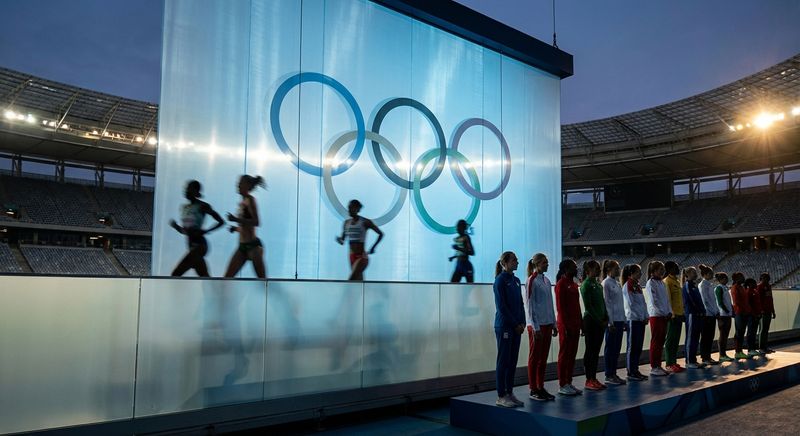
International Olympic Committee (IOC) officials have announced a sweeping new ban on transgender women athletes from competing in female events at the Olympic Games, effective for the upcoming 2028 Los Angeles Olympics. The decision, revealed Wednesday, marks a fundamental shift in the IOC’s approach to gender inclusion and has drawn intense scrutiny from advocacy groups, athletes, and sports governing bodies worldwide.
The policy, confirmed by the IOC and reported by multiple major outlets including The Washington Post, Los Angeles Times, NBC Los Angeles, and The Guardian, categorically prohibits transgender women from entering women’s categories across all Olympic sports. This change comes after years of contentious debate over eligibility, fairness, and the balance between inclusion and competitive integrity.
- The ban applies to all female-designated Olympic events, starting with the 2028 Los Angeles Games.
- The previous IOC guidelines permitted transgender women to compete if they met certain hormone and transition requirements.
- This marks the first time the IOC has issued a blanket prohibition based solely on transgender status, rather than on physiological benchmarks.
While the IOC has not publicly released the full text of the new policy, early reports across news organizations indicate that the decision was motivated by concerns over competitive fairness and an evolving scientific consensus regarding the impact of male puberty on athletic performance. The move follows similar actions by several international sports federations in recent years, particularly in swimming and track and field, which have adopted strict eligibility standards for female categories.
The ban’s implications are immediate and far-reaching. Transgender women athletes who had hoped to compete in the next Olympic cycle will now be ineligible for female events, regardless of their hormone levels or duration of transition. This stands in stark contrast to previous Olympic cycles, where transgender women were permitted to participate if they demonstrated testosterone levels below a certain threshold for at least 12 months prior to competition.
Advocacy groups and affected athletes have voiced strong reactions since the announcement. According to coverage in The Guardian and Los Angeles Times, critics argue that the new policy is exclusionary and may set a precedent for other international competitions. Supporters, meanwhile, contend that the ban is necessary to maintain a level playing field for cisgender women in elite sport.
- The 2028 Los Angeles Olympics will be the first Summer Games subject to this new policy.
- Previous IOC rules allowed transgender women to compete since 2004, with revisions in 2015 and 2021 that liberalized participation standards.
- The new policy aligns the IOC with the stance of World Aquatics and World Athletics, which enacted similar bans in 2022 and 2023, respectively.
While the IOC has not commented extensively, reporting from NBC Los Angeles notes that the decision follows months of consultation with scientific experts and sports stakeholders. The policy is expected to prompt further debate within national Olympic committees and raises questions about future eligibility rules in other major competitions.
The issue of transgender athletes in sport has become a flashpoint globally, with governing bodies, athletes, and advocacy organizations divided over the appropriate balance of inclusion and fairness. The IOC’s latest move will likely intensify conversations around gender, policy, and the evolving landscape of international sport as the world turns its attention to Los Angeles 2028.