IQA pilot in Peru aims to grow quadball through community
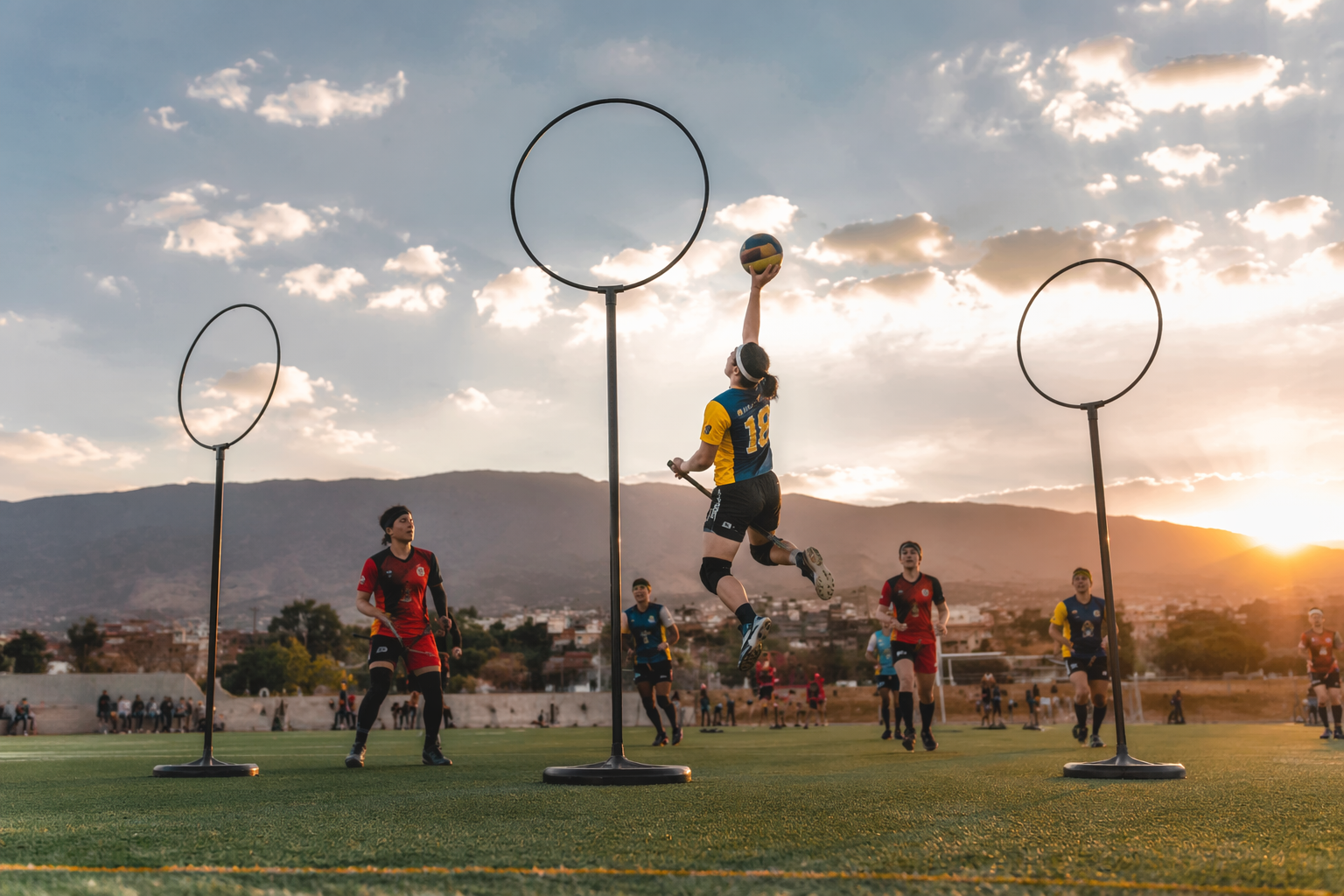
The International Quadball Association is trying to grow the sport the hard way, which is also the only way that lasts: build the community first, then let competition follow. Its Back to the Hoops pilot, first tested in Peru, splits growth into two linked tracks, Competition and Community, and it even introduces a recreational membership model to lower the barrier for new players.
That shift matters because the IQA is no longer treating expansion as a one-off clinic or a single tournament weekend. The pilot is built around the problem every emerging national governing body runs into eventually: how to keep people involved after the first burst of curiosity fades. Peru is the proving ground, but the blueprint is meant for any program trying to turn fresh interest into a functioning national scene.
The numbers show why sustainability is the real metric
The IQA’s 2021-2023 membership report gives the bigger picture. The organization now counts 38 member organizations, including 19 full-member NGBs. Those full members account for 6,431 players and 407 teams, which is a healthy base, but the trend line is not all growth.
Since 2019, the sport has lost 2,016 players and 51 teams overall, a reminder that post-pandemic recovery is uneven. Some markets are still contracting while newer ones are absorbing momentum, and Quadball Uganda stands out here: the IQA’s 2023 membership report says it added 200 players. That is the kind of gain that does not just pad a spreadsheet, it offsets erosion elsewhere and keeps the global structure from thinning out.
Kenya shows how quickly interest can spread when a local organizer takes ownership
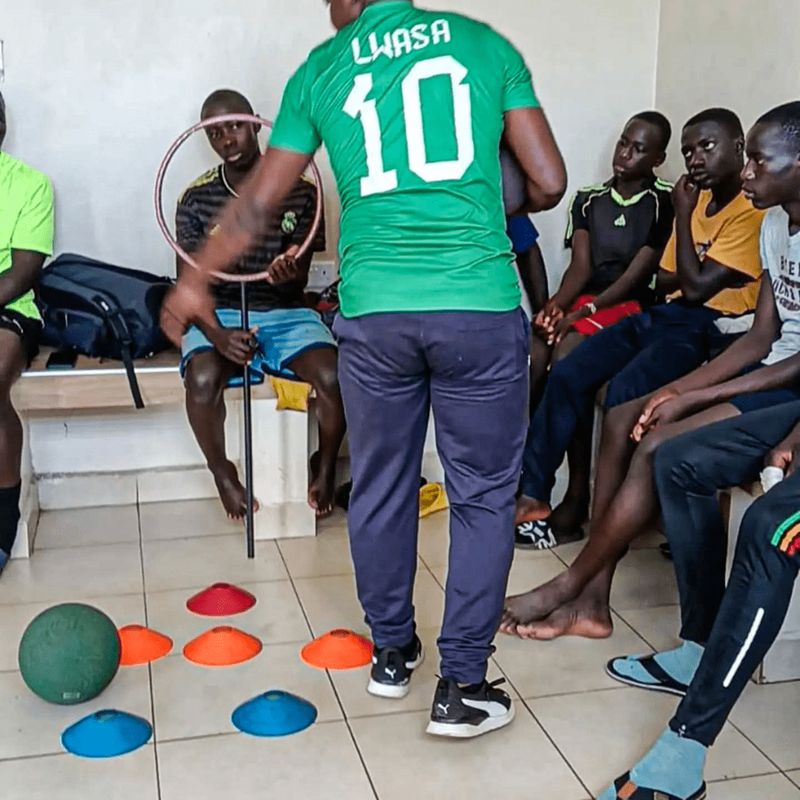
Kenya’s story starts in November 2023, when Michael Smith Mugote introduced quadball after learning the sport in Uganda and bringing it home. The first sessions were small and informal in neighborhoods like Eastleigh and Githurai, but that grassroots start eventually became the Quadball Federation of Kenya in Nairobi. That path matters because it shows the sport does not need a polished launch to gain traction, it needs someone willing to keep showing up.
The challenge came immediately after the first demos. Mugote’s account points to the usual bottlenecks for new federations: transport, accommodation, and equipment are expensive, and many communities still do not have enough gear to keep playing after the first tryout. That is exactly where a lot of expansion efforts stall, not because there is no interest, but because the sport disappears between the introduction and the next session.
Kenya’s performance in the IQA’s Boost Up Contest makes the same point from another angle. The country was one of five NGBs in the first edition, alongside the Czech Republic, Hong Kong, Peru, and the Philippines. When the final reports were tallied, Hong Kong, Kenya, and Peru advanced, with Peru first, Hong Kong second, and Kenya third. IQA evaluators described Kenya as strong in grassroots energy and community engagement, but the larger lesson was sharper: activity alone does not guarantee retention.
Uganda shows what a deeper base can do once the sport starts moving regionally
Uganda already looks a step beyond the first-contact phase. In March 2024, a team of seven players from Quadball Uganda traveled from Masaka to Adjumani, Kiryandongo, Lugazi, and Entebbe, covering more than 1,300 kilometers and reaching over 900 attendees. That is not a casual exhibition run. It is the kind of tour that turns a local club into a regional carrier for the sport.
The audience response matters too. The IQA says students ages 3-17 were eager to try quadball on that tour, which tells you the sport’s entry point is broad enough to reach school-age players across a wide spread of communities. Wycliffe of BEC Cmty QC said the trip showed him quadball could expand and stay, and that is the exact difference between exposure and sustainability: one gets attention, the other gets repeat players.
Uganda’s growth is also showing up in recurring programming, not just travel. The IQA highlighted a second year of quadball at the Ubuntu Sports Festival 2025, scheduled for August 4-11, 2025. That festival links sport, culture, and education, which is exactly the kind of platform that keeps a fledgling scene from living and dying on a single tournament.

What the Peru pilot is really teaching emerging programs
The smartest part of the IQA’s approach is that it does not pretend competition can carry a national program by itself. Back to the Hoops is organized around Competition and Community because the first match creates curiosity, but the second, third, and tenth sessions depend on governance, equipment access, and local leadership. The IQA’s Membership Support Packs push that logic further with getting-started guides, team-building resources, partnership advice, and planned materials on fundraising and sustainability.
That is the real expansion model emerging from Peru, Kenya, and Uganda: create a place for new players to belong before you ask them to chase results. Recreational membership lowers the cost of entry, support packs help organizers survive the messy middle, and repeated events give players a reason to return. Without those pieces, a launch becomes a one-day story; with them, it becomes a scene.
The sport’s own history explains why this strategy feels overdue
Quadball’s growth plan is also shaped by its recent identity shift. The sport changed its name from quidditch to quadball in July 2022 after years of discussion among the IQA, US Quadball, Major League Quidditch, and other NGBs. The IQA says quadball is now played in over 30 countries, and the name-change process had broad support: in January 2022, 22 of 23 responding NGBs said the IQA should be involved in choosing the new name.
That history matters because it shows the sport has already learned one hard lesson about global growth: shared standards are what make a scattered movement feel like one game. The current expansion push is applying the same principle to development itself. Peru is the pilot, Kenya is the stress test, Uganda is the proof of concept, and the next wave of emerging programs can copy the part that counts most: build the community infrastructure at the same time as the competition, or the growth will not hold.