IQA rulebook overhaul reshapes quadball tactics and overtime lineups
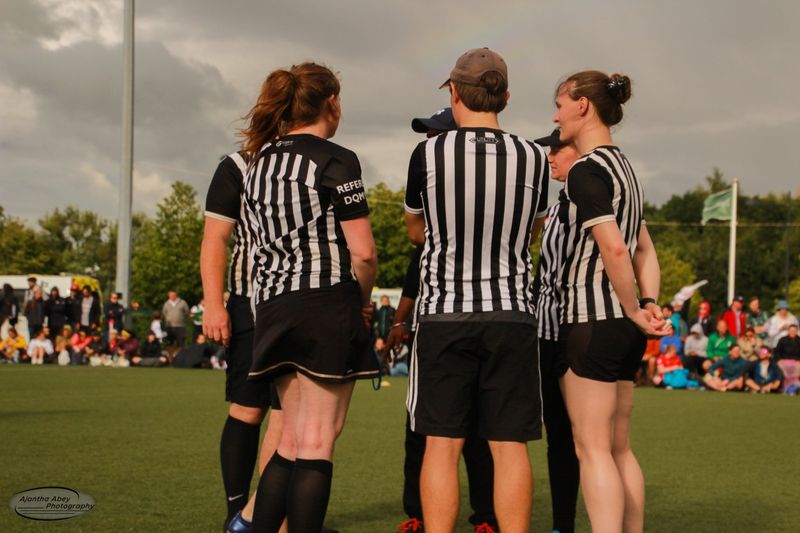
On August 18, 2024, the International Quadball Association released a rulebook that dropped the same-gender maximum on the seeker floor and in overtime from four to three, moved the side hoops farther apart, and created a reset procedure for broken fields. Those edits sound minor until you watch a late-game lineup card, where one substitution, one spacing decision, or one dislodged hoop can decide everything.
The endgame is now a roster problem, not just a scoring problem
The biggest strategic shift sits in the final phase. The International Quadball Association kept the 3-Max gender policy in the 2024 rulebook for the seeker floor and overtime, which means no team can finish those moments with more than three players of the same gender on the pitch. That is a real change from the old four-player ceiling, and it matters because the final stretch is where teams used to squeeze every last matchup edge out of the lineup.
The policy did not come out of nowhere. In 2023, the IQA’s survey drew 516 responses across 27 countries, with more than 80% of respondents backing the rule for competition between National Governing Bodies and more than 75% supporting it inside their own NGBs. A petition in favor passed 700 signatures, and the IQA moved forward with the “3-Max” rule before folding it into the next rulebook.
For coaches, that changes how you load the bench. A late-seeker-floor package now has to preserve scoring, stopping, and seeker support without assuming you can simply stack one identity group to win a matchup. If your overtime plan used to hinge on four identical bodies in a specialized role cluster, the 2024 rulebook forces a cleaner, more balanced build.
Hoop spacing changed the geometry of the offense
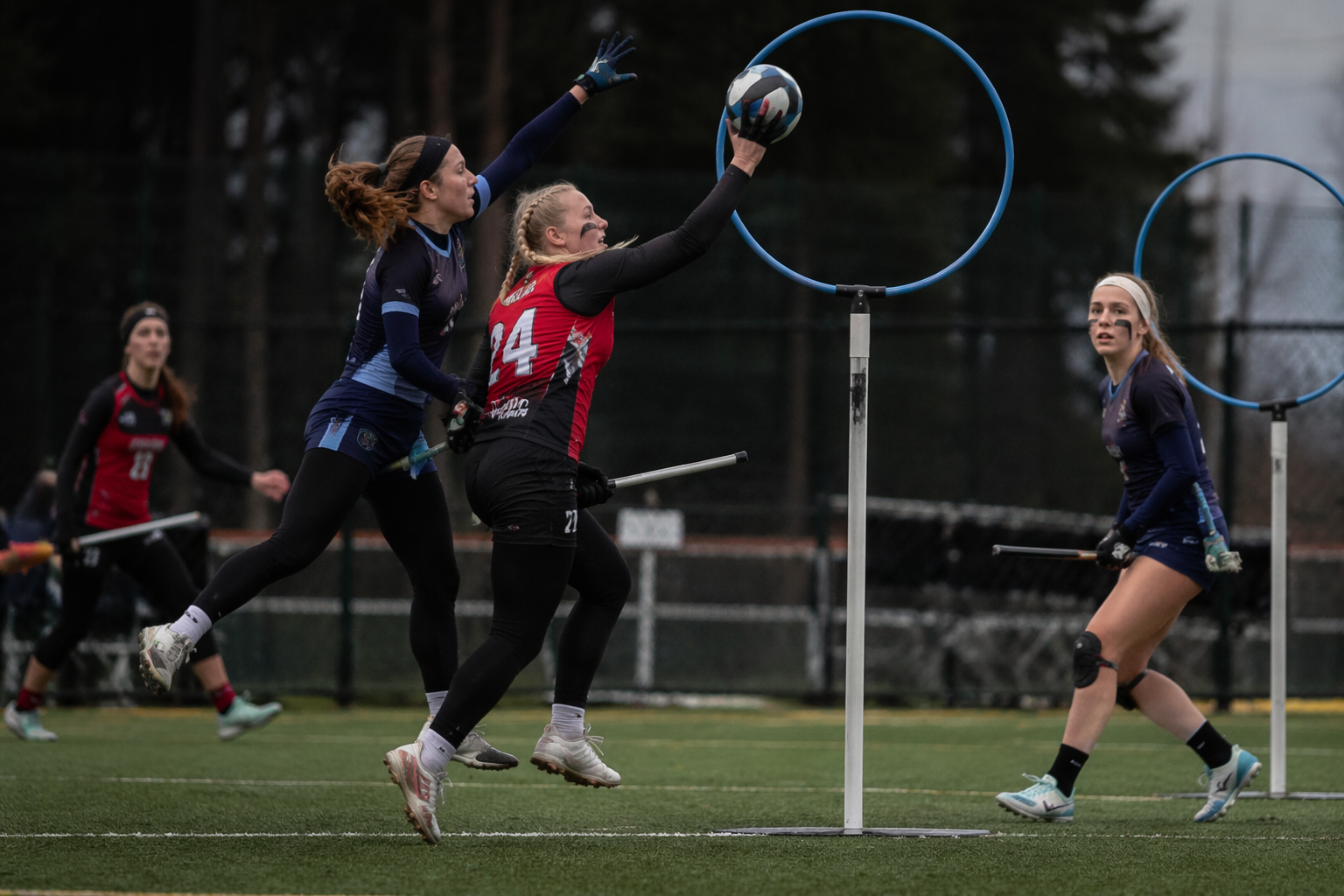
The other change with immediate tactical consequences is the hoop spacing. In 2023, the IQA Rules Team proposed moving the side hoops to a full 3 meters from the center hoop, measured pole to pole, up from the previous 2.34 meters. The 2024 rulebook did not go all the way to that original proposal. It settled on 2.75 meters, a compromise that still widens the field geometry enough to matter.
That extra 41 centimeters on each side sounds small on paper. On the pitch, it changes passing lanes, recovery angles, and how quickly a defense can collapse from one side to the other. A tighter cluster lets offenses compress the floor and win with quick handoffs and short interior movement. A wider setup asks them to stretch the defense first, then attack the seams that appear when help arrives late.
The defensive side of the equation is just as important. Wider hoop spacing means rotations have to travel farther, which makes sloppy communication more expensive. Teams that used to live on early help and compact recovery now have to respect the fact that a cleaner angle can appear one extra step away.
Headbeats, bench discipline, and the new rhythm of stoppages
The 2024 rewrite also sharpened contact and flow rules in ways that affect both safety and tempo. The rulebook clarified that all headbeats are illegal unless they fall under listed exceptions. That language matters because it removes the wiggle room that often appears when live speed and collision angles make a play hard to sort in real time. Officials get cleaner instructions, and players get a clearer boundary for dangerous contact.
The bench restriction pushes in the same direction. Players are now restricted to the team bench unless they are about to substitute. That may sound minor, but it changes how sideline communication and line changes work under pressure. A bench is no longer a loose staging area where bodies drift in and out of the technical zone. It becomes an actual control point, which makes substitutions more deliberate and helps the game flow stay visible to officials.
The new reset procedure is even more telling. When at least two hoops are dislodged, the offense can carry the ball across midfield to request a hoop reset. That is a practical answer to a familiar mess: a broken set piece that would otherwise grind the game into a prolonged stoppage. Instead of waiting passively, the attacking side can manage territory and force the next phase on its terms.
The flag-runner clothing rule fits the same logic. Pockets must be taped, zippered, or sewn shut. That kind of specificity matters in a chase role where loose fabric, hidden openings, or snag points can create needless chaos.
Why the overhaul matters beyond one tournament
The 2024 rulebook arrived after what the IQA called “many delays,” and referee certifications were slated for later that year. Translations were to follow in the IQA’s working languages.
The IQA counts quadball in more than 30 countries, and the 2024 Annual Report underscores how international the sport’s governance has become. The organization hosted the European Games in London, England, with 15 participating nations, and 2024 marked the first year with a Latin American chair of the board and an Executive Director from outside the quadball community, Bobby Click.
Sources
- [1]iqasport.org