Ismail Elfath's path from USL final to World Cup stage
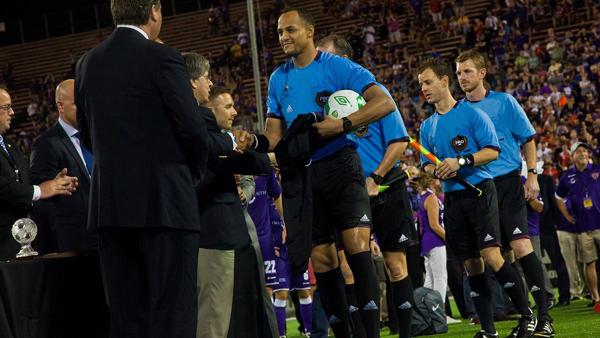
Ismail Elfath’s most revealing USL assignment came in a final that did not feel routine for anyone in the building. At Orlando’s 2013 USL Pro Championship, Orlando City beat Charlotte Eagles 7-4 in front of 20,886 fans, and Elfath was the referee in the middle of it all. That match now reads like an early marker in a career that kept moving upward until he reached FIFA World Cup duty, with USL later describing him as a veteran official and former USL League Two player who was preparing for his second World Cup.
The final that showed what USL asks of a referee
A championship game with 11 goals is not a quiet test of control. It demands constant judgment on tempo, contact, discipline, and the emotional swings that come when a lead keeps changing hands. Elfath’s role in the 2013 final at Orlando’s championship setting showed exactly why USL matters for officials: the league hands out matches where every decision lands in a full stadium and every mistake can change a trophy.
That final also fit the league’s broader role as a pressure-testing ground. Players use the USL Championship to show they can handle size, speed, and expectation; referees do the same, but under a different kind of scrutiny. The best assignments are not just about fitness or mechanics. They are about managing a game that can tilt quickly, staying composed when the stakes rise, and proving to assignors that a referee can handle more than ordinary league play.

Why that Orlando final still matters
The 2013 USL Pro Championship was not a low-profile stop on the calendar. Orlando City’s 7-4 win over Charlotte Eagles gave the club its second championship in three years and packed 20,886 fans into the event, creating the kind of atmosphere that turns a final into a live exam. For Elfath, being the referee for a game with that kind of crowd and scoreline placed him inside one of the most visible moments the league could offer.
That is the part of the USL story that often gets missed. The league is known for developing talent in the usual pipelines, from players to coaches, but officiating is a parallel track that depends on the same logic: earned minutes, harder assignments, then bigger stages. Elfath’s presence in Orlando put him on the same ladder that countless players climb, except his evidence came from keeping control rather than scoring goals.
The VAR test that widened the lane
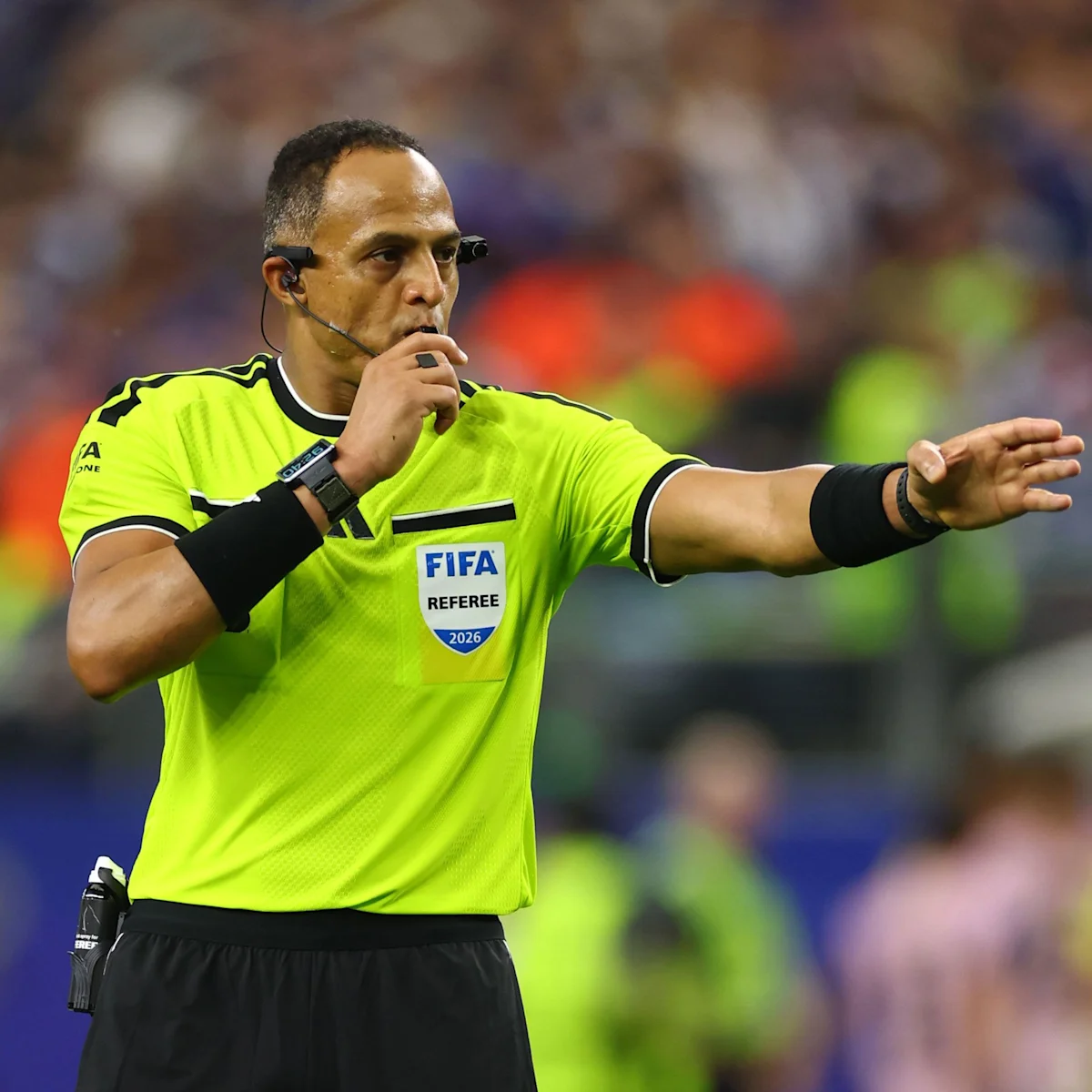
Elfath’s USL résumé gained another landmark in 2016 when he worked the first live professional test of the Video Assistant Referee system in the United States. The match was New York Red Bulls II against Orlando City B at Red Bull Arena on Aug. 12, 2016, and USL called it a “major milestone” in soccer history.
That assignment mattered because it placed Elfath at the center of a shift that changed how referees are judged. VAR is not just about technology; it is about trust, timing, communication, and the ability to absorb pressure while a stadium waits for a decision. Being the man in the middle for the first live test showed that the league was willing to use high-level USL matches to prepare officials for the modern game, not merely to fill a schedule.
For Elfath, the 2013 final and the 2016 VAR test tell the same story from different angles. In one, he managed a wild championship game in Orlando. In the other, he stood in the first U.S. professional test of a system that would soon reshape the sport. Together, they show how the USL Championship and its broader ecosystem can function as a laboratory for referees who are being readied for the sport’s biggest stages.
From Morocco to the World Cup crew
Elfath’s path also carries a global dimension that reaches beyond USL. Transfermarkt lists his date of birth as March 3, 1982, and his place of birth as Morocco. That background matters because his rise is not just a local American officiating story; it is a cross-border career that moved from the U.S. soccer pyramid to the World Cup stage.
U.S. Soccer’s 2026 coverage says Elfath led the first U.S.-based referee crew at a FIFA World Cup, assigned to the Netherlands vs. Japan match. That detail turns his climb into a piece of American officiating history. It also shows how a referee can move from USL finals and domestic innovation tests into the most visible international matches in the game.
Why his USL roots still define the story
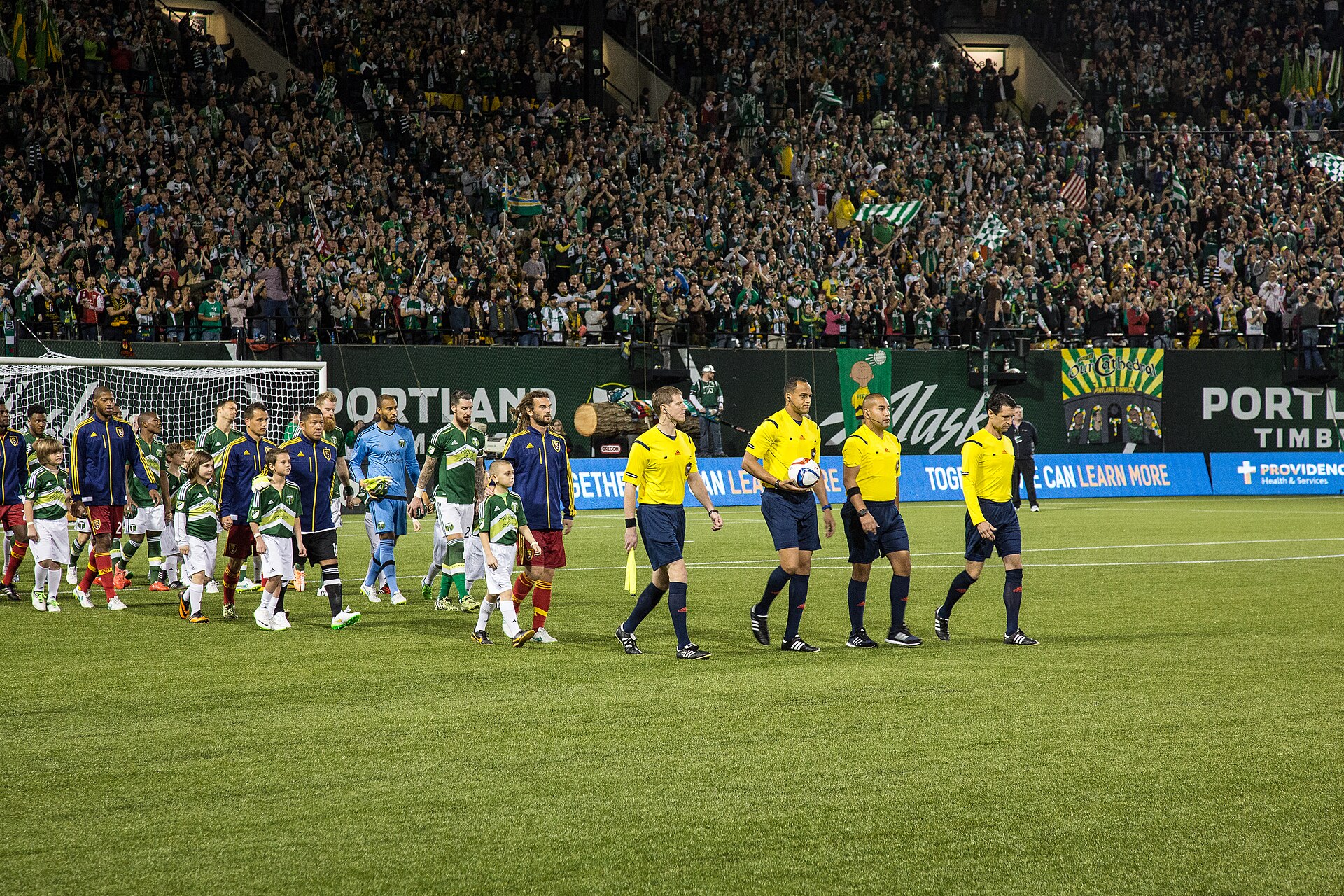
Elfath’s journey makes the USL Championship look larger than a player-development league. It is a place where officials are measured in live conditions, where playoff pressure is real, and where a referee can build the résumé needed for FIFA-level appointments. His path from the 2013 final to the World Cup crew is proof that the league’s influence reaches beyond transfers and trophies.
His own background reinforces that point. USL identifies him as a former USL League Two player, which means he has seen the game from both sides of the whistle. His LinkedIn profile lists the University of Texas at Austin and says he is passionate about youth empowerment and community outreach through soccer, adding another layer to a career built around the sport’s civic and professional pathways.
That combination, a Morocco-born official, a former player in the USL system, a referee in a 7-4 final, and the man in the middle for the first U.S. professional VAR test, explains why Elfath’s name carries weight far beyond one match. In USL, he was not just passing through. He was being prepared for the biggest rooms in the sport, and the league gave him the kind of pressure that makes that rise believable.
Sources
- [1]uslchampionship.com
- [2]uslsoccer.com
- [3]transfermarkt.us
- [4]ussoccer.com
- [5]en.wikipedia.org
- [6]linkedin.com