John Sterling Remembered: The Unmistakable Voice That Defined Yankees Baseball
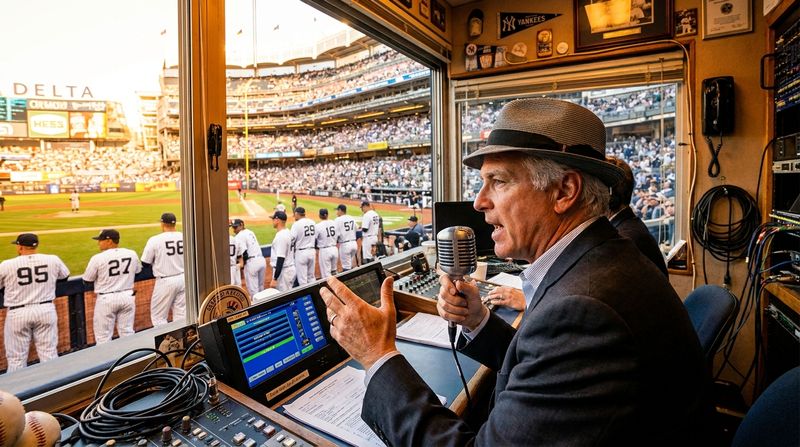
John Sterling, whose inimitable voice and flair for the dramatic became synonymous with New York Yankees baseball, is being fondly remembered across the sports world for his decades of service behind the microphone. Tributes have poured in from broadcasters, fans, and the baseball community, all highlighting Sterling's singular style and impact on the game.
Sterling's career spanned more than three decades as the Yankees’ lead radio play-by-play announcer. His calls were instantly recognizable, blending classic baseball cadence with an unmistakable theatricality. As MLB.com noted, Sterling was not just a remarkable presence due to his voice—he was “one of a kind,” carving out a niche as both a broadcaster and an entertainer who elevated routine moments into memorable events.
Michael Kay, Sterling’s longtime colleague and the television voice of the Yankees, reflected on what made Sterling so special. Kay spoke about his favorite Sterling calls, underscoring how Sterling’s signature home run catchphrases became part of the soundtrack for generations of fans. While Sterling’s memorable lines—such as his famous home run calls, tailored uniquely to each player—became cultural touchstones, it was his consistency and passion that made him a fixture in the lives of Yankees fans.
For listeners tuning in night after night, Sterling’s presence in the broadcast booth was a reassuring constant. MLB.com emphasized that his style was unmistakable, and that he brought a level of energy and showmanship that transcended the radio dial. His calls, whether for a routine fly ball or a World Series clincher, were delivered with the same enthusiasm and theatrical flair that defined his career.
- Sterling's tenure with the Yankees began in 1989, making him one of the longest-serving announcers in Major League Baseball.
- He called every Yankees game from 1989 until July 2019, a streak of over 5,000 consecutive broadcasts.
- His legendary home run calls—personalized for each player—became part of Yankees culture and featured regularly in highlight reels and fan tributes.
As both ESPN and MLB.com highlighted, Sterling’s influence extended beyond the technical craft of play-by-play. He brought an unmistakable sense of theater to the booth, turning even the most routine plays into moments of excitement. For younger broadcasters, Sterling was both a mentor and an example of how to connect with an audience not just through information, but through personality.
Sterling’s legacy also includes a deep connection with fans. His voice, heard over decades of Yankees triumphs and heartbreaks, became intertwined with the memories of countless baseball seasons. MLB.com described how Sterling was able to make listeners feel like they were part of the action, regardless of where they were tuning in from.
Michael Kay’s reflections further underscored the profound impact Sterling had on his colleagues and the sport at large. The camaraderie between Kay and Sterling was evident to listeners, and Kay emphasized Sterling’s generosity, wit, and enduring love for the game. As Kay put it, Sterling’s approach to broadcasting set him apart in a crowded field, making him an enduring figure in baseball history.
While the booth will never sound the same without Sterling’s voice, his influence will be felt for generations of fans and broadcasters. The tradition of the personalized home run call, the infectious enthusiasm, and the genuine love for the game are hallmarks of his legacy—one that will endure in the hearts and minds of baseball fans everywhere.