Joseph G. Sobek’s invention sparked modern racquetball in 1950

Joseph G. Sobek did not set out to build a brand name. He was trying to make indoor racket sports faster, cleaner, and more satisfying than what players had in front of them, and that practical goal became modern racquetball in 1950. The record around his work is unusually specific: a patent application dated March 9, 1950, a first batch of 25 racquets during the Korean War, a ball developed through rubber manufacturers, and a rule set that moved the game from an experiment to an organized sport.
The problem Sobek was solving
Sobek’s starting point was a simple dissatisfaction with the indoor games available in the middle of the 20th century. Britannica says he invented racquetball in 1950 because he was unhappy with the indoor racket sports then available. USA Racquetball’s history page adds the practical detail that he began from an idea of paddle rackets with strings, a design meant to create a quicker and more controllable game.
That distinction matters. Racquetball did not emerge as a vague offshoot of handball or squash. It came from an inventor, Joseph G. Sobek, who was trying to reshape the pace and feel of indoor play. The choices he made at the beginning still sit at the center of the sport: a lively ball, a responsive racket, and a game designed for enclosed courts where speed and rebound matter.
From idea to first equipment
The early development was hands-on and improvised. During the Korean War, Sobek asked NJ Magnum Co. to make 25 racquets, a concrete sign that he was testing a real product rather than sketching a theory. He then turned to a friend at Canfield Rubber Company, who went on to Seamless Rubber Co. to have a ball created. Those steps show how racquetball began as a manufacturing puzzle as much as a sporting one.
The prototype process was not smooth. University of Connecticut Archives & Special Collections preserves material showing that Magnan Racket Manufacturing Company tried to follow Sobek’s specifications and failed in the first few attempts before successfully creating the first racquet in 1951. That failed-to-working sequence is one of the clearest markers of the sport’s invention story: the gear had to be invented before the game could be standardized.
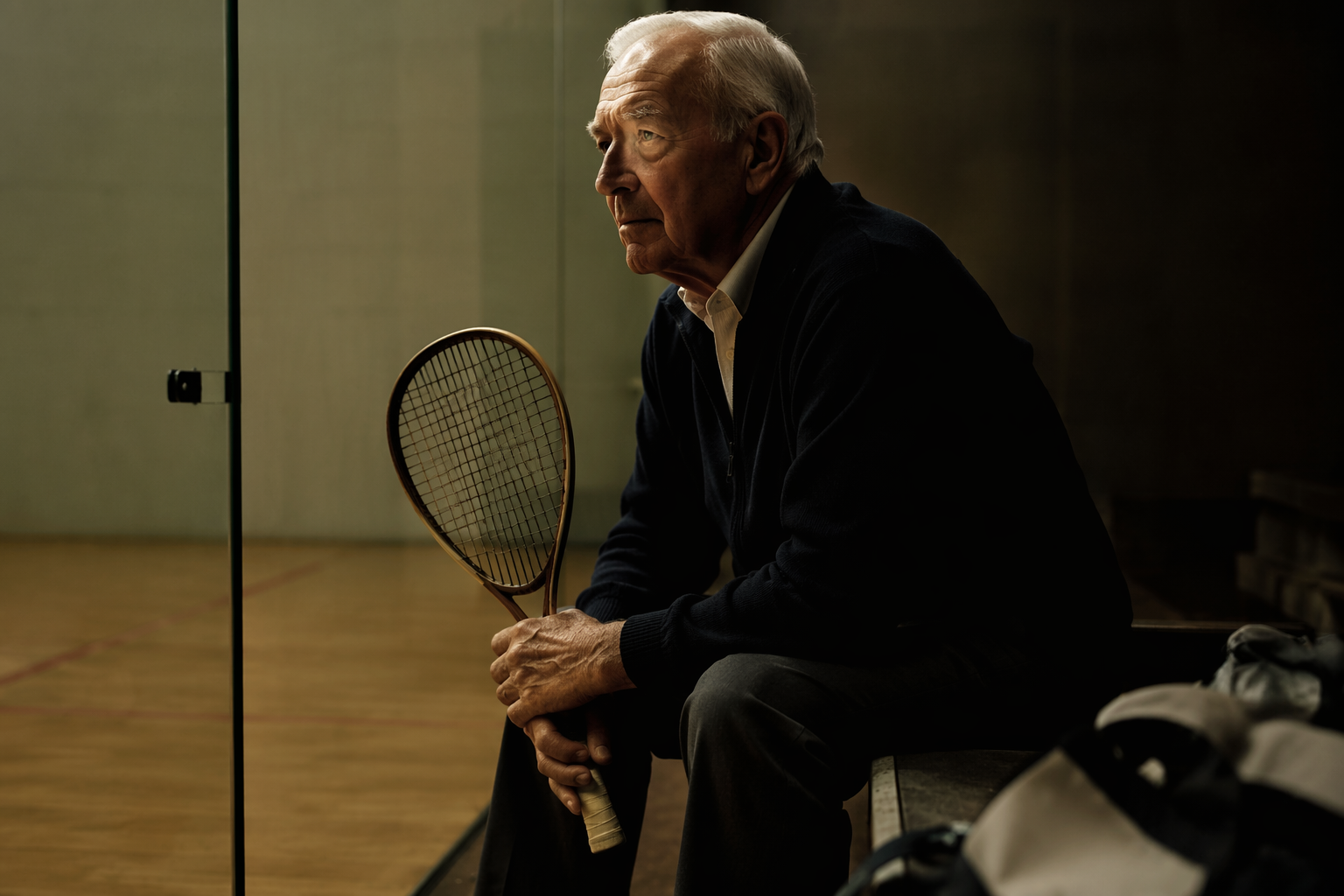
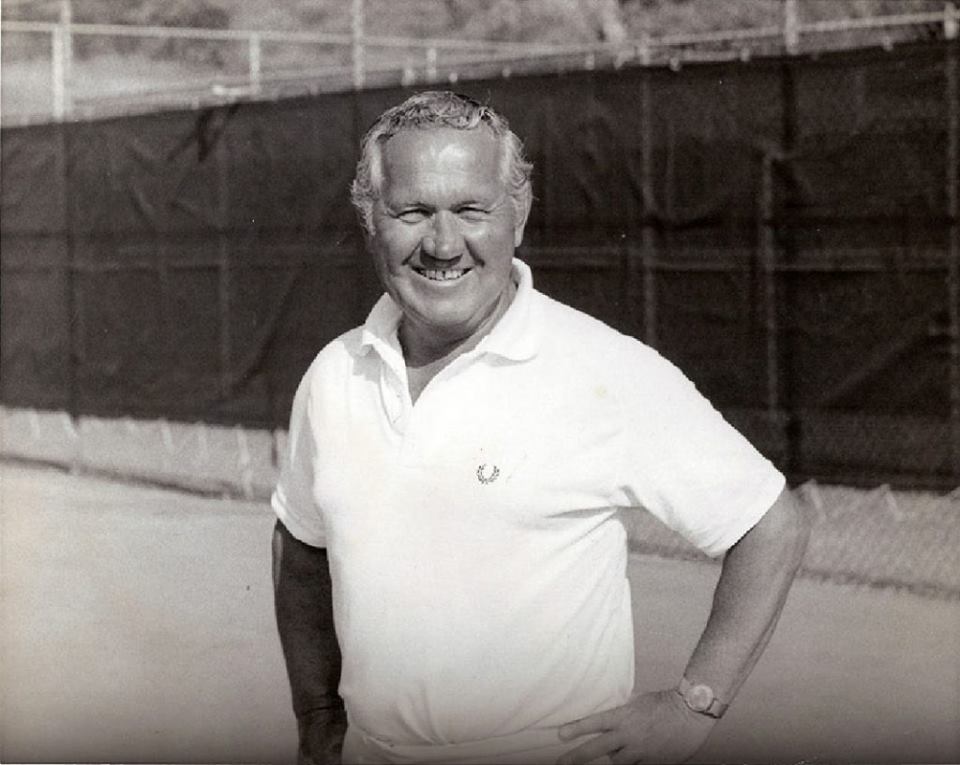
Sobek’s personal background helps explain why he approached the problem with such practical force. He was born in Greenwich, Connecticut, on April 5, 1918, served in the Marines, later became a police detective, and spent most of his life as a tennis and squash-racquets professional at the Greenwich Country Club before retiring in 1985. The path runs through service, enforcement, and club sport, which fits an inventor who understood both discipline and court play.
How a backyard idea became a codified sport
The shift from prototype to sport began quickly. The University of Connecticut archive shows a patent application for Sobek’s racket dated March 9, 1950, and the museum timeline notes that by 1949 he had already created a set of rules based on squash and handball and called the game paddle rackets. That sequence matters because the rules came early, not after the sport had already spread.
Sobek founded the National Paddle Rackets Association in 1952, then printed rule booklets and sent them out to promote the new game. The archive collection also preserves original rule booklets, clippings from the first National Paddle Rackets Tournament, and the blueprint for the first racquetball racket. Those records show the bridge from invention to institution: equipment, rules, publicity, and competition were all being built within a few years of the first concept.
The game was first accepted and played in YMCA circles, where indoor court culture already existed. One racquetball history source says early promotion benefited from about 40,000 handball courts in YMCAs and JCCs. That infrastructure gave Sobek something inventors rarely get: a ready-made place to test, teach, and standardize a new sport without waiting for dedicated facilities to be built.
The sport’s identity formed fast
Once the equipment and rules settled, racquetball began to look like its own sport rather than a borrowed variation. USA Racquetball’s history page tracks the material changes that shaped the modern game: aluminum alloy frames arrived in 1971, fiberglass in 1972, graphite in 1979, and oversize frames in 1984. Each change pushed the sport toward more speed, lighter handling, and more power, and each one altered how players attacked the wall.
The media and competition structure followed. The first Racquetball magazine appeared in November 1972, the first National Racquetball magazine followed in September 1973, the first NRC Pro Stop was held at the Downtown YMCA in Houston in late September 1973, and the first annual International Three-Wall Singles Championships took place in June 1974 at Orange Coast College in Costa Mesa. Those dates matter because they mark the moment when racquetball stopped being only a clever court experiment and became a sport with coverage, professionals, and formal championships.
Joe Sobek’s place in that structure was immediate and lasting. USA Racquetball lists him as a 1974 Hall of Fame inductee, which tells you the sport had already decided who authored its origin story while the game was still young. Sobek was not just remembered as a founder; he was treated as the person who set the game’s direction.
Why Sobek’s choices still define racquetball
The reason Sobek’s invention still matters is that so many of his decisions became permanent features of the sport. He started with indoor speed, not outdoor tradition. He built around wall play, not a net-and-baseline format. He treated the racket and ball as a system, which is why material changes to the frame later changed the sport so dramatically.
The scale of the game also shows how far that invention traveled. Britannica says that by the early 21st century there were about 10 million racquetball players in more than 90 countries. That global reach sits on top of a very local origin story: Greenwich, Connecticut, a Marine veteran and club professional, a patent dated March 9, 1950, and a first generation of gear made through small manufacturers and rubber companies.
Sobek’s role goes beyond the nickname Father of Racquetball because the paper trail is unusually clear. The rules, the prototype racket, the ball development, the YMCA adoption, the association he founded in 1952, and the later equipment evolution all connect back to one inventor trying to fix a problem in indoor play. Racquetball became a national sport because that solution was concrete enough to copy, refine, and standardize.