Juan Martín Díaz and Fernando Belasteguín defined padel’s enduring duo
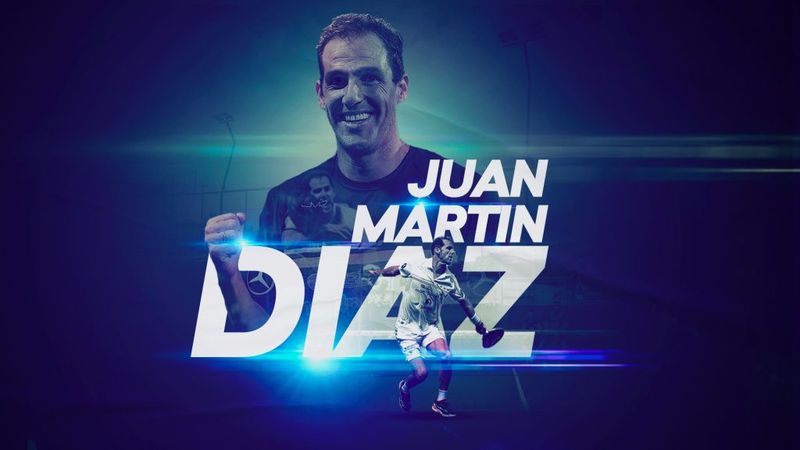
Juan Martín Díaz and Fernando Belasteguín sat at the top of the men’s rankings from 2002 through 2014, long enough to span more than one way of defining greatness in padel. Díaz closed his two-decade career in Mexico with 170 titles, 14 years as world No. 1, and a left-handed playing identity built around the pala in his left hand. Together, they turned a sport built on pairs into a benchmark for permanence.
The partnership was built on fit, not just talent
Díaz was born in Mar del Plata on 28 November 1975. Belasteguín was born in Pehuajó on 19 May 1979, four years younger and at a different point in his career when the partnership formed. That age gap matters because padel at the highest level is not a solo trophy chase, it is a shared construction project, with two players repeating the same decisions under pressure until those decisions become instinct.
Díaz’s left-hand profile gave the duo a natural structural advantage, and Belasteguín supplied the other half of a system that could stay organized across seasons, opponents, and changing conditions. Their durability was not an accident of chemistry after one hot month. It was the result of two players making the same partnership solve the same problems for more than a decade.
Their reign crossed padel’s changing competitive eras
FIP’s ranking history places Díaz and Belasteguín at No. 1 in the men’s rankings from 2002 through 2014. That stretch is important because the ranking system itself did not stand still. From 2005, with the birth of the Pro Padel Tour, No. 1 status was determined from the main professional circuit; before that, rankings were based on world championships and major circuits and tournaments in Spain and Argentina.

That means the pair did not only dominate one neat era under one stable framework. They stayed on top as the sport’s organizing logic changed around them. In practical terms, their run bridged the transition from a more fragmented structure into a more professionalized one, and they remained the pair everyone else had to measure against.
Why the numbers around them still feel extreme
The scale of the Díaz-Belasteguín partnership becomes clearer when later references are added to the FIP record. Their haul is commonly cited at 170 titles, 190 finals, 22 consecutive titles, and a year and nine months without defeat. Those numbers do more than decorate a résumé. They show how a duo can become so consistent that winning stops looking like a streak and starts looking like the expected outcome.
That kind of run creates a different competitive psychology for everyone else. Opponents are not just facing two elite players, they are facing a pair that has already solved the hardest part of doubles sport: how to stay aligned when success, pressure, and routine all try to pull the partnership apart. The longer the run lasted, the more the standard shifted from occasional brilliance to sustained control.
Díaz’s retirement framed the partnership as a global force
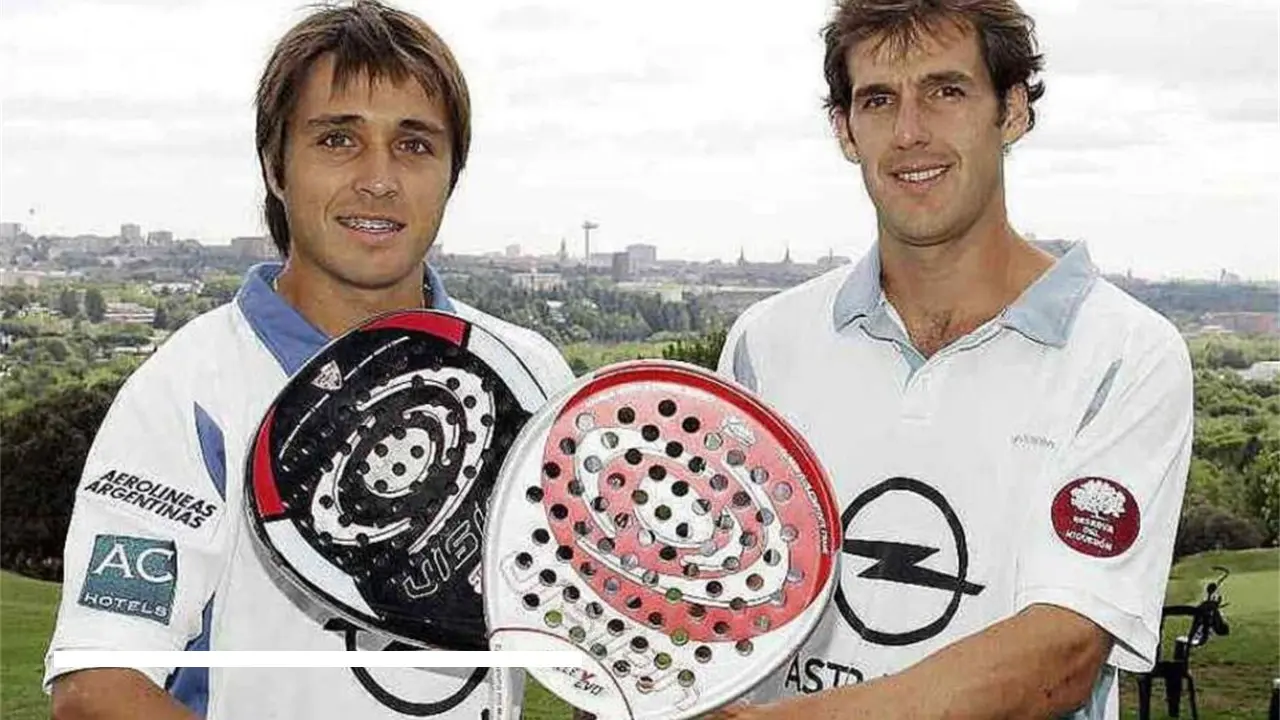
When FIP marked Díaz’s retirement, federation president Luigi Carraro called him “A champion who fired the passion around the world.” The tribute also recorded that Díaz’s final tournament was in Mexico, closing out an extraordinary two-decade career. Those details matter because they show how the partnership’s reach moved beyond trophies and into the sport’s identity.
Díaz was not only remembered as a great individual. He was remembered as one half of the duo that helped push padel into a broader professional conversation, where style, continuity, and shared responsibility mattered as much as shot-making. Belasteguín’s separate official profile and Díaz’s archived profile keep their identities distinct, but the record keeps bringing them back together because the partnership is the achievement.
The standard they left for modern pairs
FIP’s 2026 website update now tracks players with the most titles and finals across historical professional circuits and the FIP World Cup Pairs, a reminder that the federation has built Díaz and Belasteguín into the sport’s official memory. That institutional record matters because it turns their dominance into a reference point for every new duo that tries to last longer than a season.
The lesson of the partnership is not simply that two stars won a lot. It is that padel’s highest level is built on role clarity, trust, and repetition, and that the strongest pair can shape an era when both players accept the same standard for long enough. Díaz and Belasteguín did that across changing circuits, changing rankings, and changing generations, and that is why their names still define what enduring excellence looks like in padel.