Ken Westerfield helped build Ultimate’s early Canadian roots
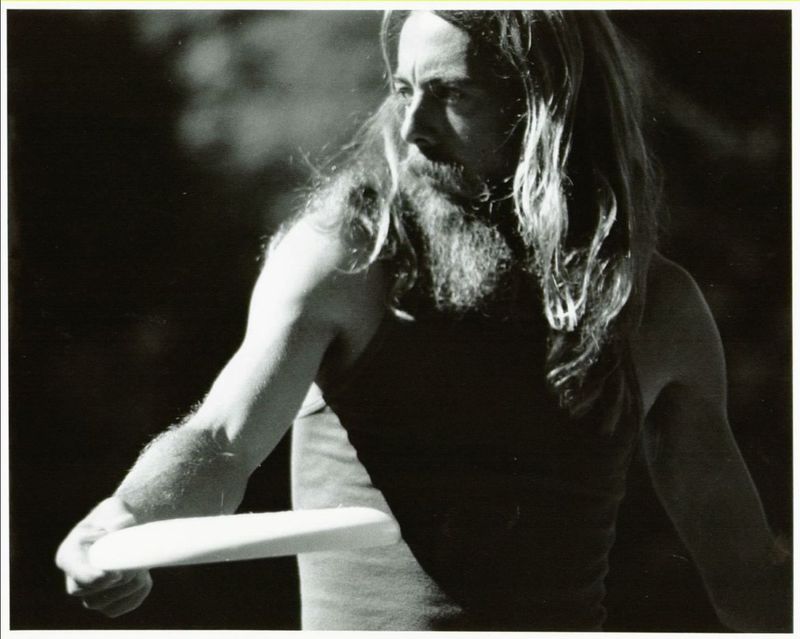
Ken Westerfield is the name that pulls Ultimate’s Canadian story out of the footnotes. Ultimate Canada calls him “The Legend,” and the label fits a player who did more than throw discs well: he helped build the places, events and habits that made the sport stick. He started playing disc sports in Michigan in the 1960s, moved to Toronto in 1970, and carried that scene into a city that would become one of Ultimate’s most important early homes.
Toronto was where the game learned structure
A biography snippet identifies him as Kenneth Ray Westerfield, born in Detroit, with an active span from 1963 to 1988. That matters because it places him in the middle of disc sports’ formative years, not as a latecomer chasing a trend. His move to Toronto connected two sides of the border, bringing an American disc-sports background into a Canadian city that was ready to turn loose play into something more durable.
Westerfield was never just another talented player in the stack. Ultimate Canada says he and his friend Jim Kenner, who later founded Discraft, ran some of the first events that helped define organized disc play in Canada. That is the real pivot point in this story: the leap from isolated games to repeatable competition. Sports do not become sports because someone throws a perfect pass once; they become sports when people know where to show up next week, who is running it, and what they are playing for.

The events that gave Canada an early edge
The first big clue that this was more than casual recreation is freestyle. A Canadian disc-sports history account says Westerfield and Kenner were involved in the introduction of freestyle competition in 1974, which widened the sport’s reach beyond one format and one crowd. Freestyle gave the community another competitive lane, another reason to gather, and another way to turn a throwing pastime into an organized scene with identities of its own.
Westerfield also hosted a Toronto tournament in 1978 that included Guts as one of the events. That detail sounds small until you see what it represents: by then, Toronto was not just hosting games, it was hosting a multi-event disc weekend with enough structure to include different disciplines under one roof. For a sport still building its vocabulary, that kind of event mix helped establish the idea that disc play could be formal, varied and worth preserving.
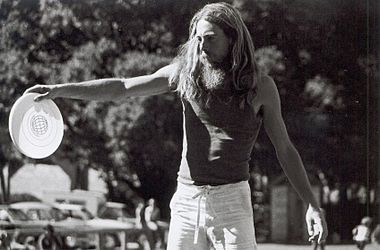
The clearest institutional marker came a year later. Westerfield founded the Toronto Ultimate Club in 1979, a move that shifted Ultimate in the city from scene to system. Toronto Ultimate Club says it is now one of the largest Ultimate clubs in the world, with thousands of players, and that scale explains why the 1979 step mattered so much. Once a club reaches that kind of depth, it is no longer just preserving a game. It is creating a pipeline, a calendar and a local culture that can outlast any one player.
That kind of permanence shows up in memory as much as in membership. Toronto Ultimate Club says its first Hall of Fame induction took place on October 22, 2010, a sign that the organization had grown enough to start formally recording its own history. Hall of fame ceremonies are not just ceremonial flourishes. They are a club saying its past now matters enough to protect, and that is how informal play becomes institutional heritage.
Why Canada is not a side note in Ultimate’s origin story
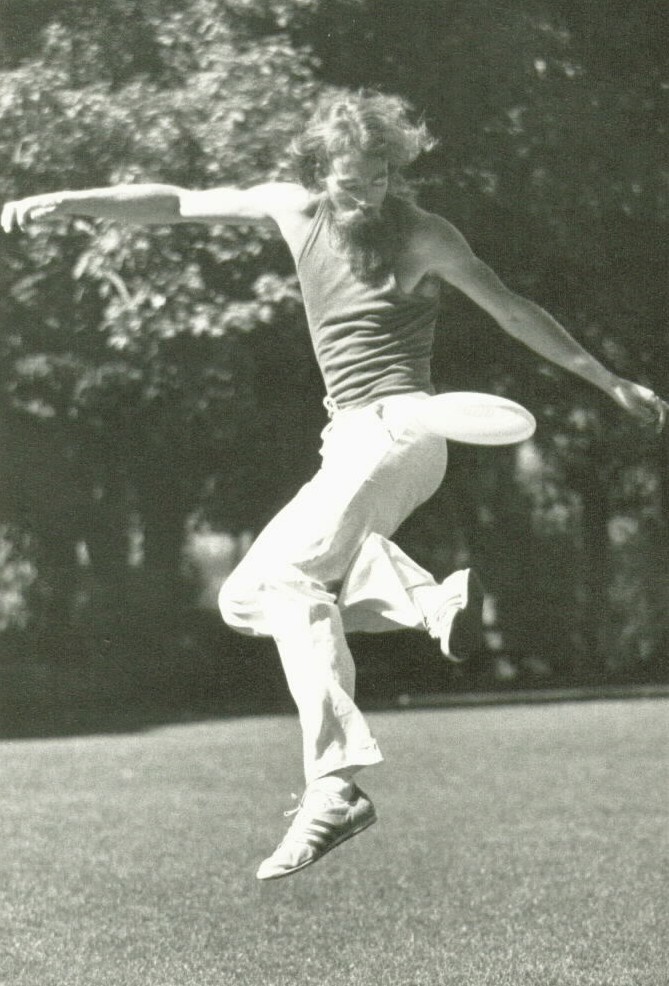
The familiar origin tale still starts in New Jersey. WFDF’s history page says Joel Silver introduced his idea of Ultimate Frisbee to the Columbia High School student council in Maplewood in 1968, and that the first game was played in 1969 between two groups of students using a Wham-O Master disc. That is the seed, but it is not the whole tree. If the Columbia High School story explains invention, the Canadian story explains spread, organization and survival.
WFDF also traces disc-sports history back to an early 1957 reference in Sports Illustrated, which pushes the timeline even farther back and shows that Ultimate grew out of a broader disc-throwing culture rather than appearing fully formed. That context matters because it keeps the sport from being flattened into a single campus-origin myth. By the time Ultimate reached Toronto, it was entering a disc-sports world that already had customs, experiments and early practitioners ready to build on.
That is why Westerfield’s place in the history is so important. He did not simply import a game and play it again somewhere else. He helped turn Toronto into a working base for organized Ultimate, with events, clubs and a memory of its own. Canada was not peripheral to that process. It was one of the places where Ultimate learned how to become a lasting sport.
Sources
- [1]canadianultimate.com
- [2]discsportshistory.com
- [3]tuc.org
- [4]wfdf.sport
- [5]famousbirthdays.com
- [6]kiddle.co