Kickball tournament rules tighten as weather and clock decide games
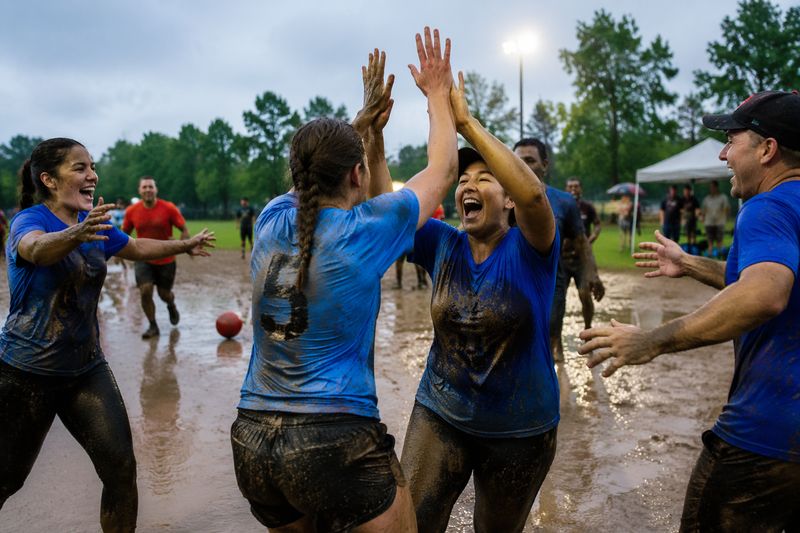
Kickball tournaments can turn on a single weather delay or a clock that runs out at the wrong moment. In the International Kickball Federation’s system, a game does not become official just because the final inning looks close: it has to clear hard thresholds for innings, time, and mercy-rule status before a bracket can move on.
The line between casual and official
The International Kickball Federation says it is the official governing body for amateur adult kickball, and it presents the sport as organized league and tournament play for players around the world. That matters because the rules are built for events where the title is only as real as the paperwork behind it. A tournament page that can be filtered by sport, season, day, location, and level shows how structured the circuit has become, with live and completed events treated as part of a managed calendar rather than one-off pickup games.
The practical lesson is simple: if a weekend bracket feels informal, sanctioned play is the opposite. It runs on definitions, and those definitions decide whether a score freezes, a weather-hit game stands, or a team advances without needing a replay.
When weather changes the outcome
The clearest example is a rainout. Under the IKF Tourney Rules Addendum, a game can still count as official if rain stops play after the away team has kicked at least three times. That threshold matters because it prevents a weather interruption from erasing a game that has already crossed into meaningful competition.
The same addendum also says teams must play a minimum of three full innings for a game to count as official. Those two rules work together: if conditions break before the game reaches that floor, the result can stay in limbo. Once that floor is met, a weather-shortened contest can still stand, which is why tournament staff and captains watch innings as closely as they watch radar.
How the clock takes over in elimination play
Elimination games have their own built-in timer. IKF says those games last six innings or 60 minutes from the scheduled start time, whichever comes first. That means the bracket is governed by both game length and the clock on the wall, and the later stages of a tournament can end without a full six-inning script.
The addendum also says no new inning may start with five minutes remaining. That detail often becomes the sharpest edge in late-game tournament play, because it stops teams from stretching a contest deep into the schedule once the finish line is near. In practical terms, a one-run lead in the final minutes can be more valuable than a bigger cushion earlier in the day, because the clock can lock in the result before another frame begins.
The mercy rule and why late rallies matter less than you think
IKF’s mercy rule is another place where official status changes the feel of a game. In pool and elimination play, if a team leads by 10 or more runs after the losing team has kicked at least three times and at least as many times as the winning team, the game is over and no team can continue. The federation also caps the final winning margin at 12 runs in mercy-rule wins.
That framework protects the bracket from runaway scores and keeps the tournament moving. It also changes strategy in a way casual leagues often miss: once a team is close to the mercy threshold, every at-bat can shorten the afternoon for both benches. In a competitive field, those numbers do more than end a lopsided game. They preserve the rest of the schedule.
Why sanctioned tournaments now look like a real circuit
The IKF says it oversees tournaments through affiliates and also sanctions many others, and its tournament pages point to a broader event system rather than a single championship weekend. That structure is visible in major events such as the South Florida Kickball Open and the SSKO tournament.
SSKO carries another concrete rule that shows how official the circuit has become: all team members must be 21 or older on the day of the tournament. IKF also identifies Orlando as one of the national tournament locations tied to SSKO, underscoring that the sanctioned game is spread across multiple cities rather than locked into one local scene. That geographic reach matters for players, organizers, and sponsors because it turns kickball into a repeatable event business, not just a social league with a trophy.

What the modern history says about the sport
The World Kickball Association says it began in 1998 as the World Adult Kickball Association, based on a first season planned by a group of friends, and later dropped the word “Adult” from its name. It also describes adult kickball as an international pastime and runs social kickball divisions across the country through Clubwaka.
That history explains why rulebook precision now carries so much weight. A sport that grew out of adult rec-league culture has matured into a national and international ecosystem where one line in the rules can decide whether a title stands, whether a shortened game is official, and whether a wet field ends the day or just pauses it long enough for bracket math to catch up.
Why the sport keeps reaching a bigger audience
Kickball’s tournament side is also gaining visibility beyond its own community. ESPN streamed a live Turf Wars Adult Kickball Tournament on August 1, 2025, followed by TurfWars Invitational: Adult Kickball Championship presented by M.A.R.S. on August 17, 2025. ESPN later carried another Turf Wars Adult Kickball Tournament on October 25, 2025, and a version presented by the Maryland Sports Commission on July 5, 2025.
Those broadcasts matter because they place kickball inside the same live-event frame that fans expect from more established sports: named tournaments, branded presentations, and repeat appearances on a major network platform. For tournament organizers, that visibility rewards rules that can survive real-world chaos. For players, it means the difference between a social game and a sanctioned result now hinges on the smallest details, from the third inning to the last five minutes.
Kickball’s official layer is no longer background noise. It is the mechanism that keeps a rain-soaked afternoon, a clock-watching elimination game, and a mercy-rule blowout from turning a bracket into a dispute.