Kickball’s early roots trace back to 1910 “Kicking Baseball”
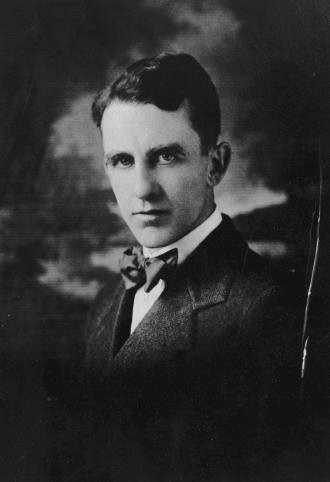
Kickball’s cleanest origin story runs through a 1910 book, not an anonymous schoolyard. Dr. Emmett Dunn Angell’s Play: Comprising Games for the Kindergarten, Playground, Schoolroom and College included a diagrammed game called “Kicking Baseball,” and that version is the earliest documented blueprint that still looks like kickball.
The 1910 blueprint
The sport traces back to Angell and his attempt to build games for children, schools, and colleges that were easy to teach and easy to repeat. That places kickball inside the physical-education movement, where games were designed to build coordination, teamwork, and basic understanding of sports, not just fill recess time.
Angell’s own description makes the purpose plain. He wrote that the game “seems to afford equal enjoyment to the children” and “gives a better understanding of the national game (Baseball).” Those lines capture the logic that still defines kickball today: a baseball-like structure, simplified so children can grasp it quickly and play it without specialized gear.
Angell’s field illustration and explanation form the closest and earliest known precursor to modern kickball. Kickball was not simply invented by a group of playground kids who improvised with a rubber ball. It had already been codified in print by a named physical-education author who was trying to make organized play usable in schools.
Why Angell’s version still looks familiar
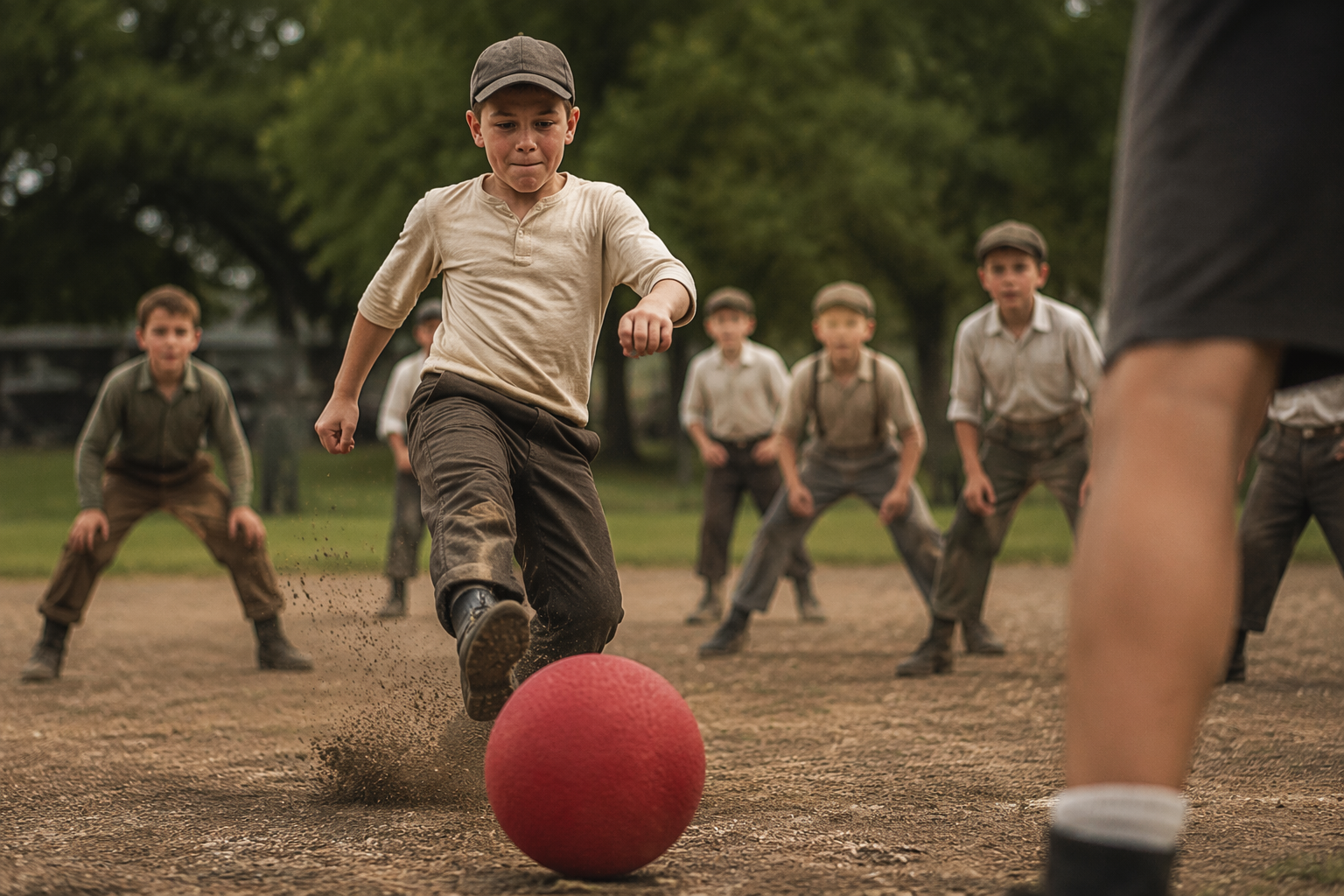
The pieces that make modern kickball recognizable are already present in Angell’s 1910 framework. There is one ball, a diamond, bases, kicking instead of batting, and a setup simple enough to use on an open field. The design lowered the equipment barrier, which made the game easy to teach in a classroom, easy to stage on a playground, and easy to reproduce almost anywhere with enough room to run.
Kickball sits between formal sport and recess game, and Angell’s version shows why it always fit that middle ground. It required movement, timing, and some understanding of baseball, but it did not demand gloves, bats, or a long training curve, which made it practical for schools and approachable for beginners.
Competing origin claims and regional names
Nicholas C. Seuss, the supervisor of Cincinnati park playgrounds in Cincinnati, Ohio, was later credited with inventing “Kick Baseball” around 1917. That competing timeline does not erase Angell’s place in the record, but it does show how playground games often evolve through overlapping claims, local use, and later retellings.
In most of Canada it is known as “soccer baseball,” a reminder that the game’s identity has shifted with region and generation. The label changes, but the structure stays familiar: a kicked ball, a base-running game, and a format that borrows from baseball while stripping away most of its equipment demands.
From school exercise to adult league staple
The same traits that made “Kicking Baseball” useful in 1910 are the traits that keep adult kickball alive now. The modern game uses “a larger, gentler, and bouncier ball,” and the World Adult Kickball Association calls it “easy to learn” and “easy to set up.” Those features continue Angell’s low-barrier idea: keep the rules readable and the gear minimal.
The World Kickball Association calls kickball “easy to learn, easy to set up, and fun to play.” The ball and format help explain why adult leagues took hold so quickly. The sport asks for very little before the first pitch, or rather the first kick, and that makes it ideal for community fields, casual competition, and social leagues that prize participation as much as results.
By 2012, the game had already become a recognizable recreational trend, with adults embracing the same simple framework that once made it useful in schools. The appeal did not change much between the playground and the adult league: the rules stayed accessible, the equipment stayed minimal, and the game stayed social.
Sources
- [1]protoball.org
- [2]fergusonhs.org
- [3]kickball.com
- [4]mercurynews.com
- [5]en.wikipedia.org