Kyle Tucker's Landmark Dodgers Deal Signals Rising Labor Tensions in MLB
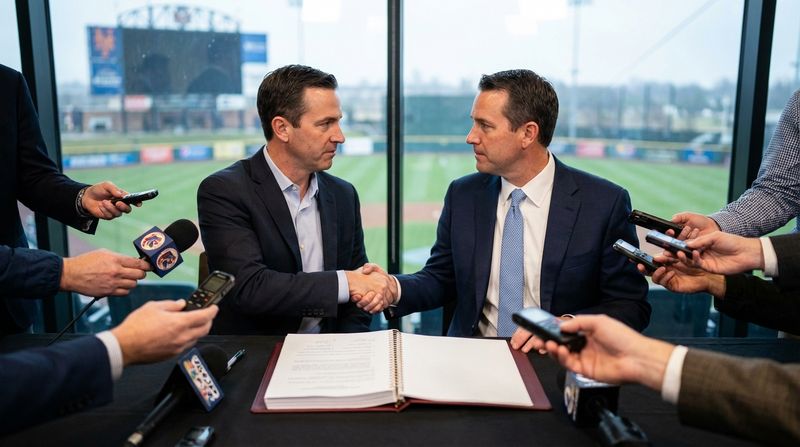
The Los Angeles Dodgers shook the baseball world this offseason by signing outfielder Kyle Tucker to a record-breaking deal. While the move energized Dodgers fans, it also intensified existing labor tensions throughout Major League Baseball, with discontent spreading among fans, players, and owners alike.
This offseason, the Dodgers’ aggressive pursuit of star talent reached a crescendo with the Tucker signing—an acquisition that not only strengthens their championship ambitions, but also further widens the economic gap between the league’s biggest spenders and the rest of MLB. According to reporting from ESPN, frustration is mounting across the sport: fans are voicing anger over competitive balance, while both players and team owners are bracing for a potential escalation in labor disputes.
- The Dodgers’ investment in Tucker represents one of the largest contracts in recent league history, underscoring the franchise’s financial muscle.
- Players see such deals as validation of their market value, but many also worry they are outliers, with most players not benefiting from booming revenues.
- Owners of small-market teams express growing concern that escalating salaries for a handful of stars could destabilize payroll structures and competitive parity.
The fallout from the Tucker contract is already being felt. Players’ union leaders argue that mega-deals highlight the need for a more equitable distribution of league revenues and greater financial opportunities for the majority of players, not just the elite. Meanwhile, owners are divided—large-market teams continue to flex their financial advantages, while smaller-market franchises push for new mechanisms to maintain long-term competitiveness.
These tensions come at a precarious time for the league. With the current collective bargaining agreement’s expiration looming, both sides are preparing for contentious negotiations. The Dodgers’ splashy signing of Tucker has become a flashpoint, crystallizing fears that unresolved issues around salary distribution, free agency, and luxury tax thresholds could lead to more serious labor strife—potentially even a work stoppage.
The collective unease is reflected not just in boardrooms and locker rooms, but also among the sport’s passionate fanbase. Many fans are frustrated by what they perceive as an uneven playing field, with a handful of teams dominating the market for superstar talent while others struggle to keep pace. At the same time, the threat of labor unrest casts a shadow over the upcoming season, raising anxieties about the long-term health of the game.
As the Dodgers and Tucker prepare to chase a championship, the rest of MLB confronts deeper questions about fairness, competition, and the future of labor relations in professional baseball. The 2026 offseason will be remembered not just for record contracts, but for its role in accelerating a pivotal reckoning between the league’s economic powers and its broader community of stakeholders.
Sources
- [1]ESPN MLB