La Loma doubles tournament highlights Club Forma’s growing racquetball depth
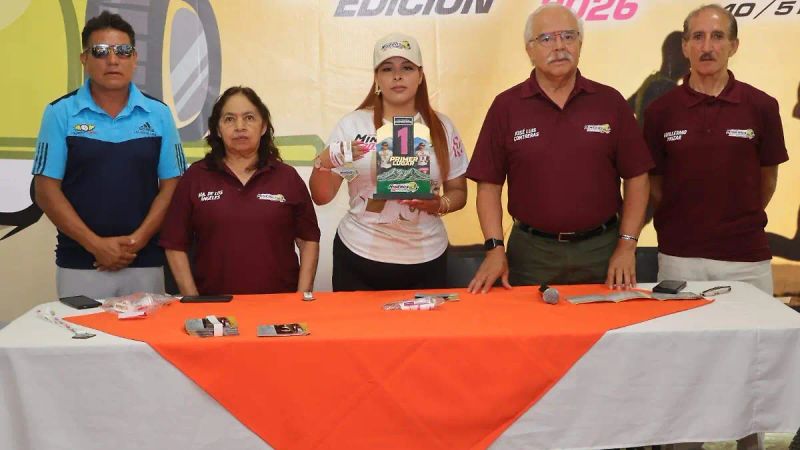
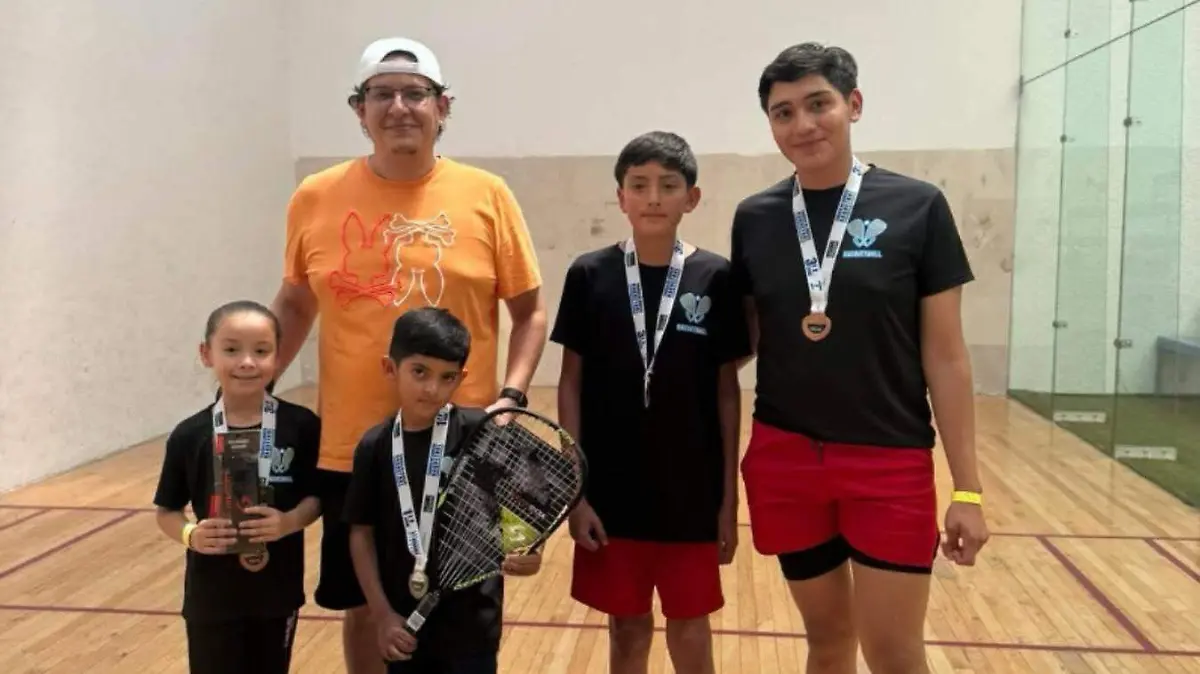
Carin Mora won the 6 and under division as La Loma Centro Deportivo’s doubles tournament brought children, juniors and adults into the same competitive draw, with Club Forma players showing up across categories from 6, 8 and 10 and under to Dobles Open, Novatos, Dobles B and Master Dobles.
Isabella Valadez finished third in the same 6 and under bracket after advancing through a difficult draw, and Darío Pérez and Said Pérez added another podium finish for the academy with third place in C Dobles. Those results, spread across age groups and formats, gave the weekend a clear through line: the same program producing the youngest winners was also placing doubles pairs in adult divisions.
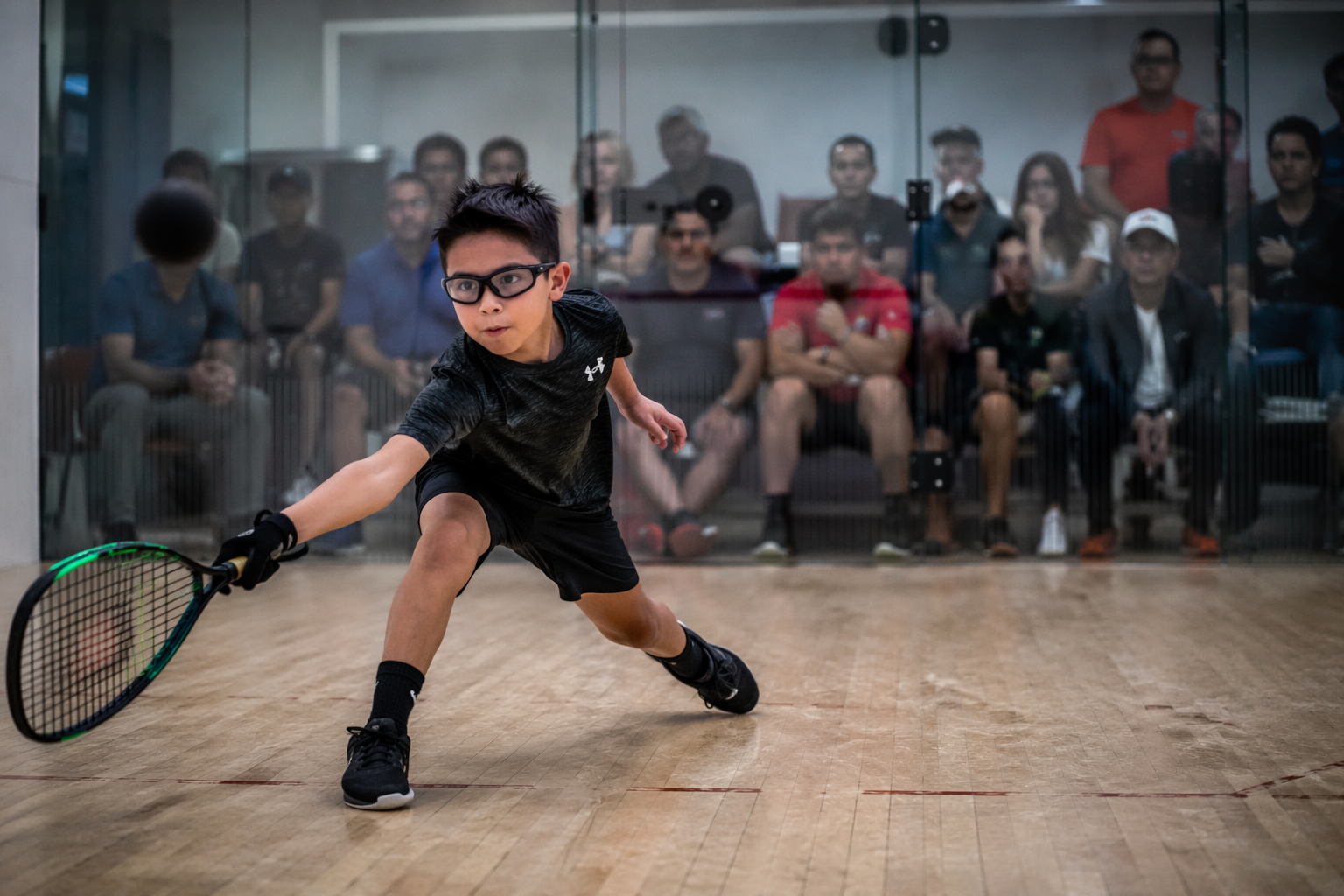
The Club Forma presence extended beyond the medalists. Andrea Cancino, Diego Mora, Íram Mora, Braulio Díaz and Santi Ortiz also took part, giving the field the look of a deep training group rather than a one-off showing from a single standout player. Roberto Salazar, who leads the Academy of Raquetbol Club Forma, framed that group with a message to his players: “Sigamos creciendo juntos.” He pointed to their passion, discipline and joy as the traits carrying the academy’s next wave.
La Loma’s week of racquetball fit a pattern the center has already built in San Luis Potosí. In June 2025, it staged a state doubles tournament from June 9 to 14 with 10 official categories, cash prizes for the top three in Dobles Open, trophies for first through third in the other divisions, and entry fees of 300 pesos for children’s categories and 500 pesos per pair. Players from Club Deportivo Punto Verde, Lomas Raquet Club, Deportivo Potosino and La Loma itself were already part of that event, which was positioned as preparation for the 2025 Juegos Nacionales Conade.
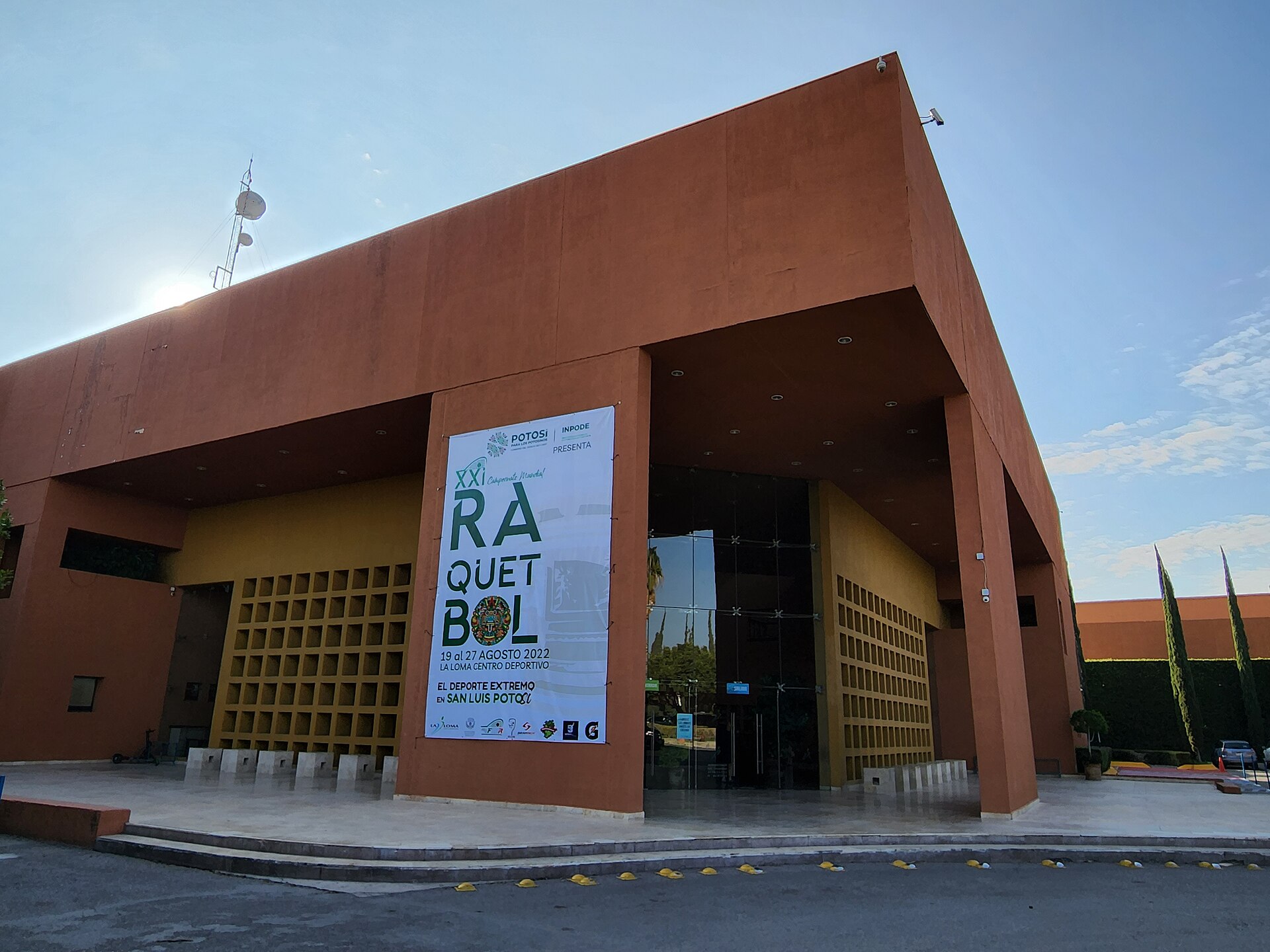
That continuity matters because La Loma has remained one of the city’s most active racquetball sites, with a history of hosting high-level events and fields that have included more than 100 potosinos plus national figures. Founded in 2002 and linked in its center registry to Rafael Lebrija, the club has become a place where the pipeline is visible in real time: the youngest players compete, the teenagers stay in the same system, and adults keep the standard high enough to make the transition feel normal.