Liberia's women-only kickball league turned sport into reconciliation
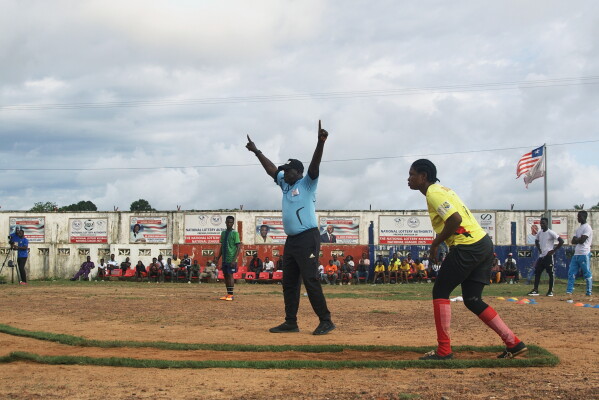
Liberia’s kickball scene is bigger than a schoolyard game. What began in a Monrovia girls’ school in 1964 now runs as a women-only national institution, with league play at the Samuel Kanyon Doe Stadium, title races, sponsors, and a civic role that still reaches beyond sport.
A women-only game with national weight
Kickball arrived in Liberia through Cherry Jackson, a Peace Corps volunteer who introduced it at an all-girls school in Monrovia in 1964. The sport spread far beyond that classroom, and today it is one of Liberia’s most recognizable games, second only to soccer in popularity. With a national population of about 5.6 million, that scale matters: kickball is not a niche pastime, but a public ritual played by women in schoolyards, squares, dirt fields, and major venues.
The women-only structure gives the sport its identity. It creates a space where girls first learn the game, adult women keep playing at a serious level, and local pride is built around club loyalties that stretch across neighborhoods and counties. That same structure also exposes a contradiction that has long hovered over the league: the players are women, but leadership has often remained male.
How reconciliation became the league’s purpose
The modern league took shape in 1994, during Liberia’s post-civil-war recovery. The National Kickball League was built with a clear civic purpose: bring women together and help communities reconnect after conflict. That origin still defines the sport’s social meaning, because kickball became a place where competition and reconciliation sat on the same field.
Emmanuel Whea has described that postwar mission in practical terms, saying the point was to bring people back together so they could hear peace messages. That idea explains why kickball has endured as more than recreation. It helped turn a childhood game into a national meeting ground, where games were never only about scoring runs, but also about restoring trust in public life.
The league today: clubs, divisions, and real competition
The 2025 Liberia Kickball Federation season showed how organized the sport has become. The league featured 19 first-division teams and 22 second-division teams, with the season sponsored by the Liberia National Lottery Authority. That is the footprint of a functioning sports system, not an informal social club.
The title race also had real competitive tension, with clubs such as Vision Sisters, Royal Sisters, CYE, Destiny KC, Ask Sisters, and Shooting Stars in the mix. Other club names, including Aries Kickball Club, Zion Sisters, and Girls of Aries, underline how deeply women’s teams have built their own identities inside the sport. In a country where kickball is one of the clearest women-led sporting institutions, club badges and standings carry as much social meaning as they do competitive value.
What the game looks like on the field
Liberian kickball is played by two teams of nine players, and its shape is familiar enough to feel accessible while still distinctively local. The game has been staged in a vacant lot inside the Samuel Kanyon Doe Sports Complex, and it is also played at Samuel Kanyon Doe Stadium in Monrovia, which gives the sport a scale rarely seen in a game rooted in schoolyards.
That range is part of its appeal. Kickball can live in open dirt fields and in stadium settings without losing its cultural connection to ordinary community life. The result is a sport that feels both grassroots and national, with local participation feeding a formal league structure.
The infrastructure problem behind the applause
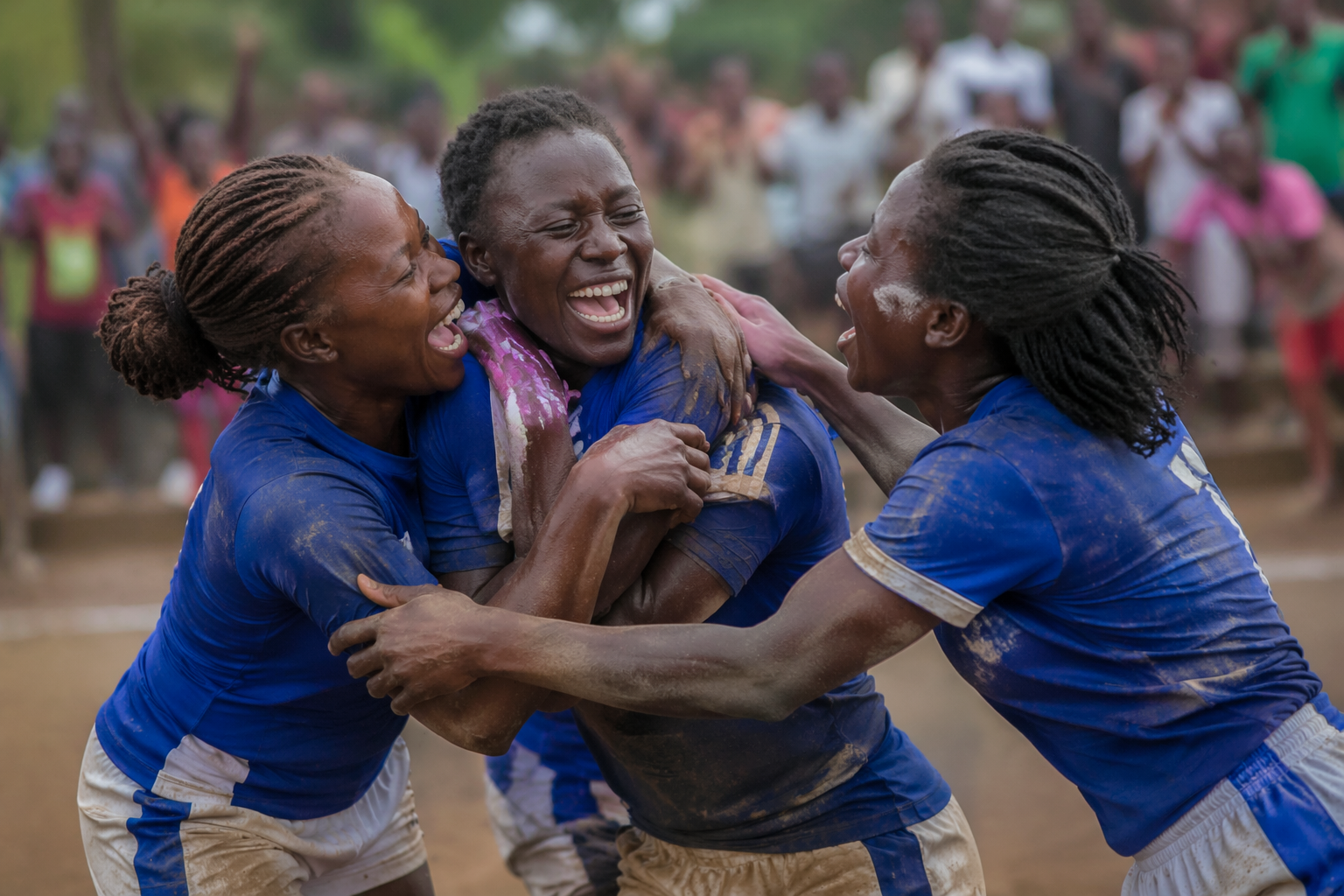
For all its popularity, the league still struggles with basic conditions. Players and coaches have complained about a lack of restrooms, changing rooms, seating, and medical support at matches. Coach Joseph Kolongbo has tied injuries and poor performances to the bad pitch, while player Choice Tokaph has called the conditions embarrassing.
The medical gap is especially stark. The Liberia Kickball Federation had asked clubs to provide their own medics, but many could not afford them, and injured players were sometimes moved by motorcycle. That reality sits uneasily beside the sport’s public status, because a national women’s league cannot function like a major institution while relying on improvised care and bare-bones facilities.
Budgets, promises, and the politics around the sport
The funding picture has made those problems worse. The Unity Party-led administration cut the federation’s annual budget from $1,050 to $750, and Emmanuel Surprise Whea objected publicly in September 2024. The shortfall matters because it touches every part of the league, from logistics to health support to the ability of clubs to keep matches organized.
Facility promises have also gone unfulfilled. Former President George Weah had pledged a dedicated stadium that was never built, and Senator Saah H. Joseph promised restroom facilities in August 2023, but those amenities still had not materialized nearly two years later. In a sport that draws women into public competition at scale, those delays do more than inconvenience players. They signal how little institutional urgency has been attached to women’s sport infrastructure.
Leadership rules show the sport’s gender tensions
The federation’s own governance shows how conservative the power structure remains. At the sixth congress in 2026, delegates voted 43 to 1 to keep a constitutional rule requiring presidential candidates to be married, even though the sport is played predominantly by women. The same congress retained a bachelor’s-degree requirement for presidential candidates, while approving changes that allow the federation president to appoint a female vice president for finance and gender affairs and a vice president for international affairs.
Ambassador Emmanuel Surprise Whea was elected federation president at that congress. The result captures the sport’s central tension: the playing base is overwhelmingly female, but the pathways to authority still reflect older ideas about legitimacy, marital status, and control.
Why Liberia’s kickball story still matters
Kickball in Liberia endures because it does several jobs at once. It is a competitive league with standings, sponsors, and club rivalries. It is a women’s public space in a country where women’s sport has often had to fight for infrastructure and respect. And it remains tied to the reconciliation project that helped define Liberia’s recovery after war.
That mix is why the sport resonates beyond the box score. Liberia did not merely adopt kickball, it reshaped it into a national institution that still carries memory, identity, and ambition every time women take the field.