London Olympia aims to become padel's answer to Wimbledon

London Olympia's first elite padel tournament is being pitched as a breakthrough, but the real test is whether it can become part of the city's sporting rhythm rather than a one-off spectacle. Premier Padel put Great Britain's first elite professional padel event at Kensington Olympia, with the London Premier Padel P1 scheduled for 4-9 August 2026 as part of the Qatar Airways Premier Padel Tour. Tickets opened first to eligible LTA Advantage members on Thursday 23 April 2026, a reminder that the sport is trying to build both prestige and an audience at the same time.
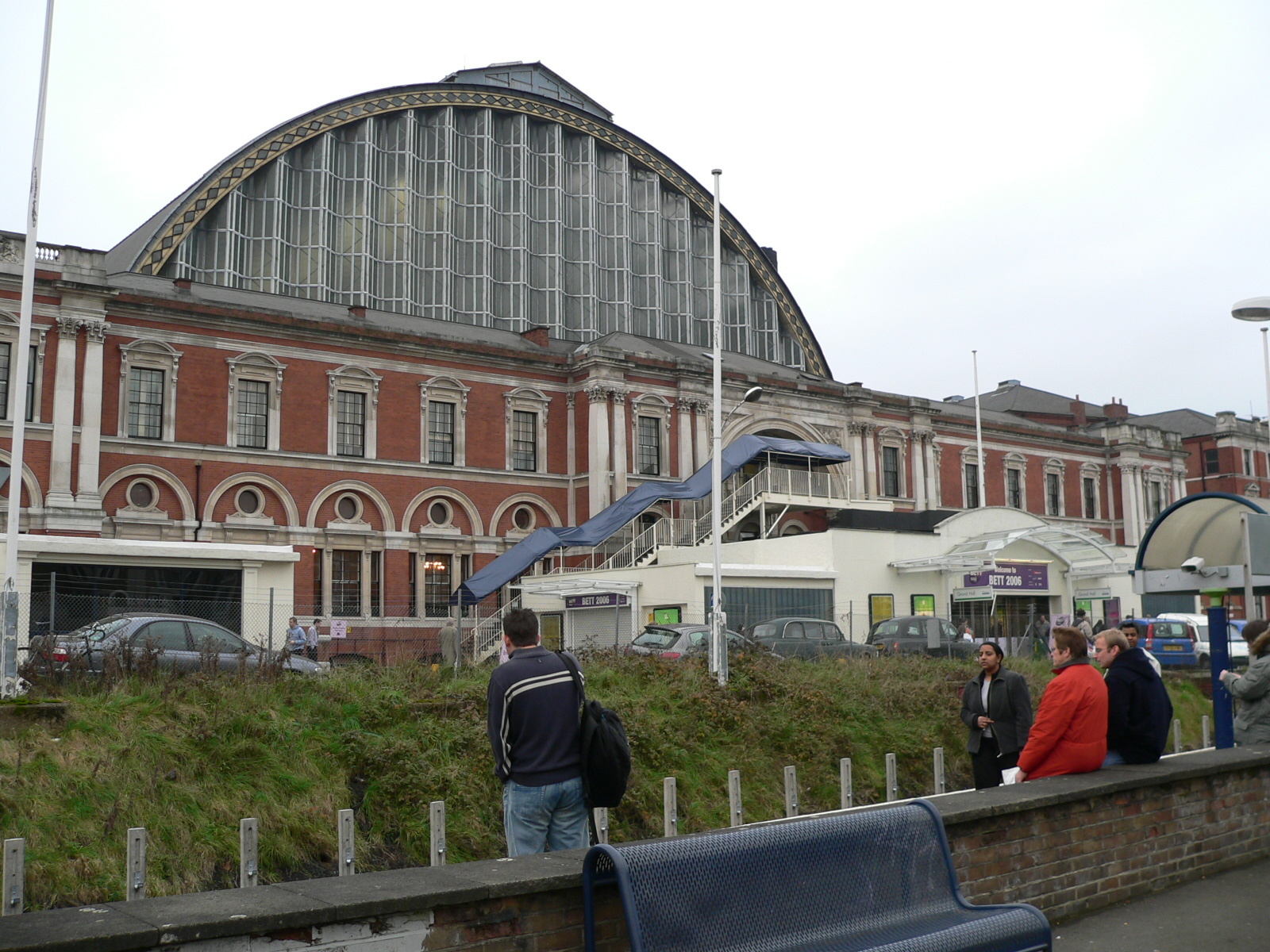
Olympia has framed the tournament as part of a £1.3bn transformation into London's newest destination for events, entertainment, hospitality and business. That matters because the venue is not just selling courts and tickets, it is selling itself as the kind of place that can host a major sports occasion and keep it coming back. London is one of the few cities where a new international racket-sport event can pull in local curiosity and global attention at once.
Why Wimbledon is the benchmark
The Wimbledon comparison works because Wimbledon is not simply a tennis tournament. It is a global sporting ritual, one built on tradition, spectacle and status, with a place in the calendar that feels fixed in the public imagination. For padel to earn even a fraction of that standing, the London stop has to do more than look polished on television.
That means recognisable champions, real rivalries, and a production that makes the sport feel inevitable on a big stage. The women's circuit already has names with pull, including Gemma Triay, Delfina Brea, Paula Josemaría, Bea González, Sofía Araújo and Claudia Fernández, but a showcase in London still has to turn star power into shared memory. Wimbledon became Wimbledon because people expect it to return in the same way, with the same gravity, year after year.
The numbers behind padel's rise in Britain
The case for London as a padel capital starts with the growth curve. The Lawn Tennis Association said Britain had 400,000 padel players on 12 May 2025, then 860,000 players in March 2026, before later reporting 1,000,000 adults and juniors across 1,825 courts at 551 venues. That expansion is backed by infrastructure as well as participation, with the LTA also marking 1,000 padel courts in Great Britain on 17 July 2025.
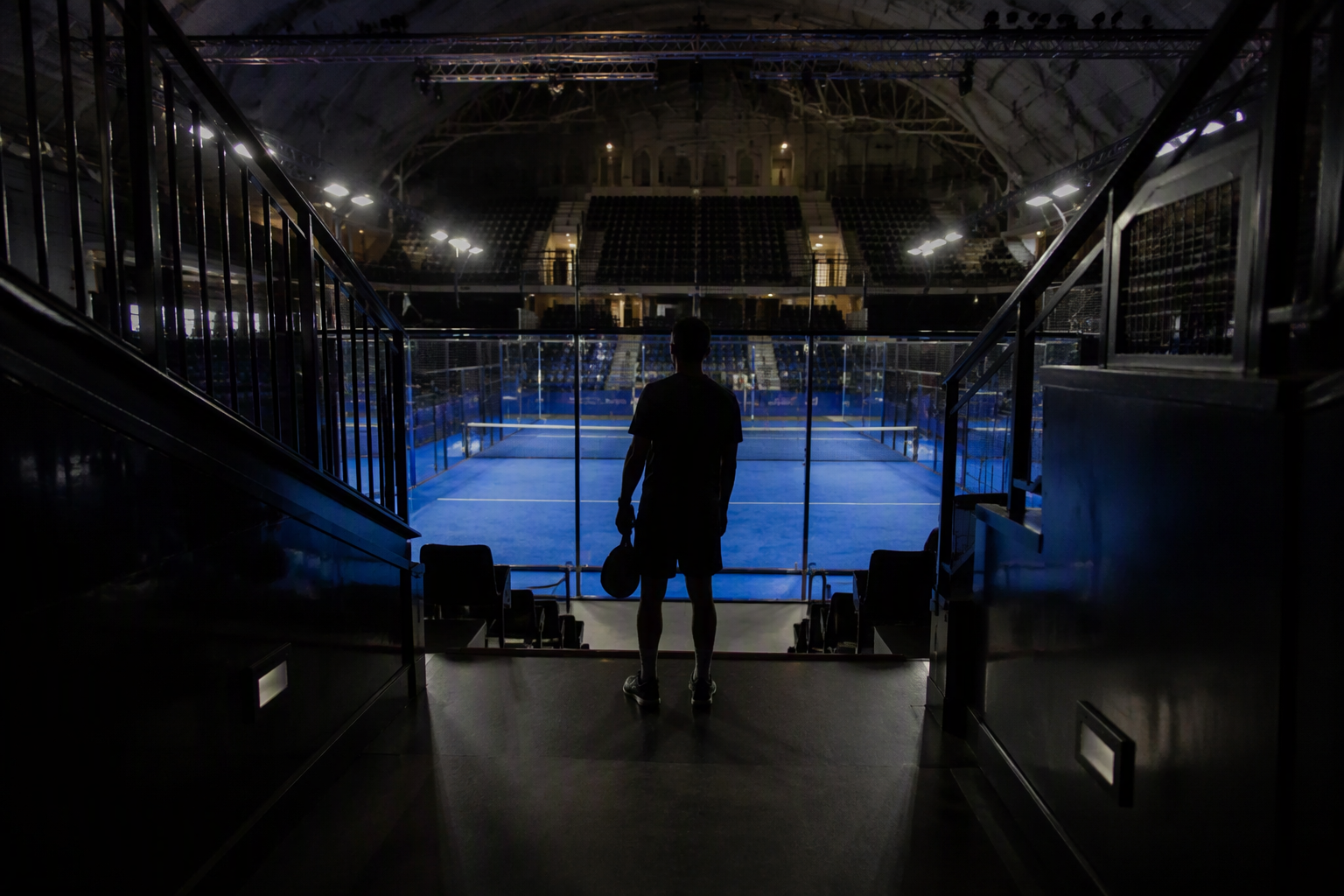
Those figures matter because a sport cannot become culturally permanent on hype alone. It needs enough players to create habit, enough courts to sustain bookings, and enough fans to make an event feel like a destination rather than a curiosity. In Britain, padel is still in the middle of that transition, moving quickly from niche to mainstream while trying to keep the atmosphere that made it attractive in the first place.
What Premier Padel is building in London
Premier Padel's own calendar launch with the International Padel Federation is part of the same push. The 2026 Qatar Airways Premier Padel Tour gives the sport a structured global runway, and London now sits inside a circuit that is trying to look established rather than experimental. A strategic partnership announced in February 2025 by Premier Padel, the International Padel Federation and Hexagon Cup was framed around raising awareness and supporting Olympic inclusion, another sign that the sport is chasing legitimacy on more than one front.
That broader agenda explains why a venue like Olympia is so important. The event has to work as a tournament, but it also has to work as a signal to broadcasters, sponsors and fans that padel can occupy premium urban space without losing its energy. London offers the right backdrop for that argument, because the city can turn a sports weekend into a cultural outing if the product feels distinct enough.
What would make it stick
For Olympia to become padel's answer to Wimbledon, four things have to line up again and again, not just once:
• Tradition: the event has to return in a recognisable slot, with a consistent identity that fans can anticipate.
• Star power: players need to carry names that travel beyond club circles, so the draw feels essential rather than merely convenient.
• Accessibility: the sport's pitch has to stay welcoming, with ticketing that reaches beyond insiders, which is why the LTA Advantage presale mattered.
• Repeat attendance: the crowd has to come back because the event feels like a fixture in London, not because it is a novelty worth trying once.
The challenge is that Wimbledon took generations to become a habit, while padel is still converting growth into ritual. Olympia gives the sport its best London platform yet, and the numbers across Britain show the base is real. The next step is harder: turning a premium showcase into a permanent appointment on the sporting calendar.
Sources
- [1]thetimes.com
- [2]olympia.co.uk
- [3]ltapadel.org.uk
- [4]premierpadel.com
- [5]sportspro.com