London’s Premier Padel debut spotlights court standards and event design
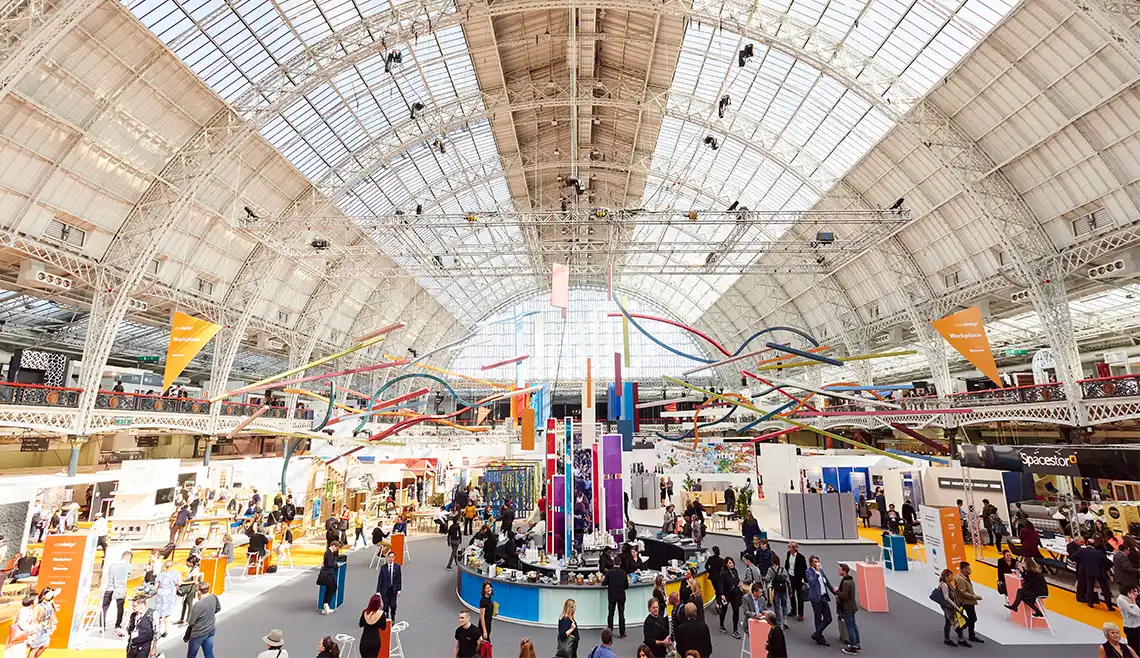
London’s Premier Padel debut is a venue story as much as a sporting one. Olympia’s Grand Hall is set to stage London Premier Padel P1 from 4 to 9 August 2026, with tickets listed from £41 and event times still marked TBC. The event is being billed as six days of elite padel and, for Britain, a first crack at the sport’s top-tier professional product on home soil.
London’s place in the 2026 calendar is the point, not just the backdrop. Premier Padel and the International Padel Federation have built next season around 26 tournaments in 18 countries, with nearly 75% of events indoors, and London and Pretoria identified as new markets. That indoor-heavy split matters because it narrows the variables that can distort a match, from wind and glare to inconsistent bounce and changing light.
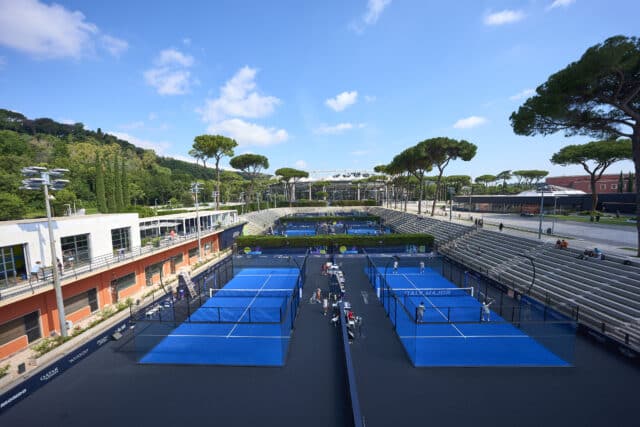
The basic court rules are what separate elite padel from a club build. Under the FIP rules in force from 1 January 2026, a regulation court measures 10 metres by 20 metres inside the enclosure, with a 0.5% tolerance, service lines 6.95 metres from the net, and lines 5 centimetres wide. The net sits at 0.88 metres in the middle and 0.92 metres at the ends, while the free height must be at least 6 metres throughout the court, with 8 metres suggested for new facilities and no obstructions such as spotlights in that space. Those are not cosmetic details: they shape ball flight, the player’s overhead strike zone, and whether rallies feel open or cramped.
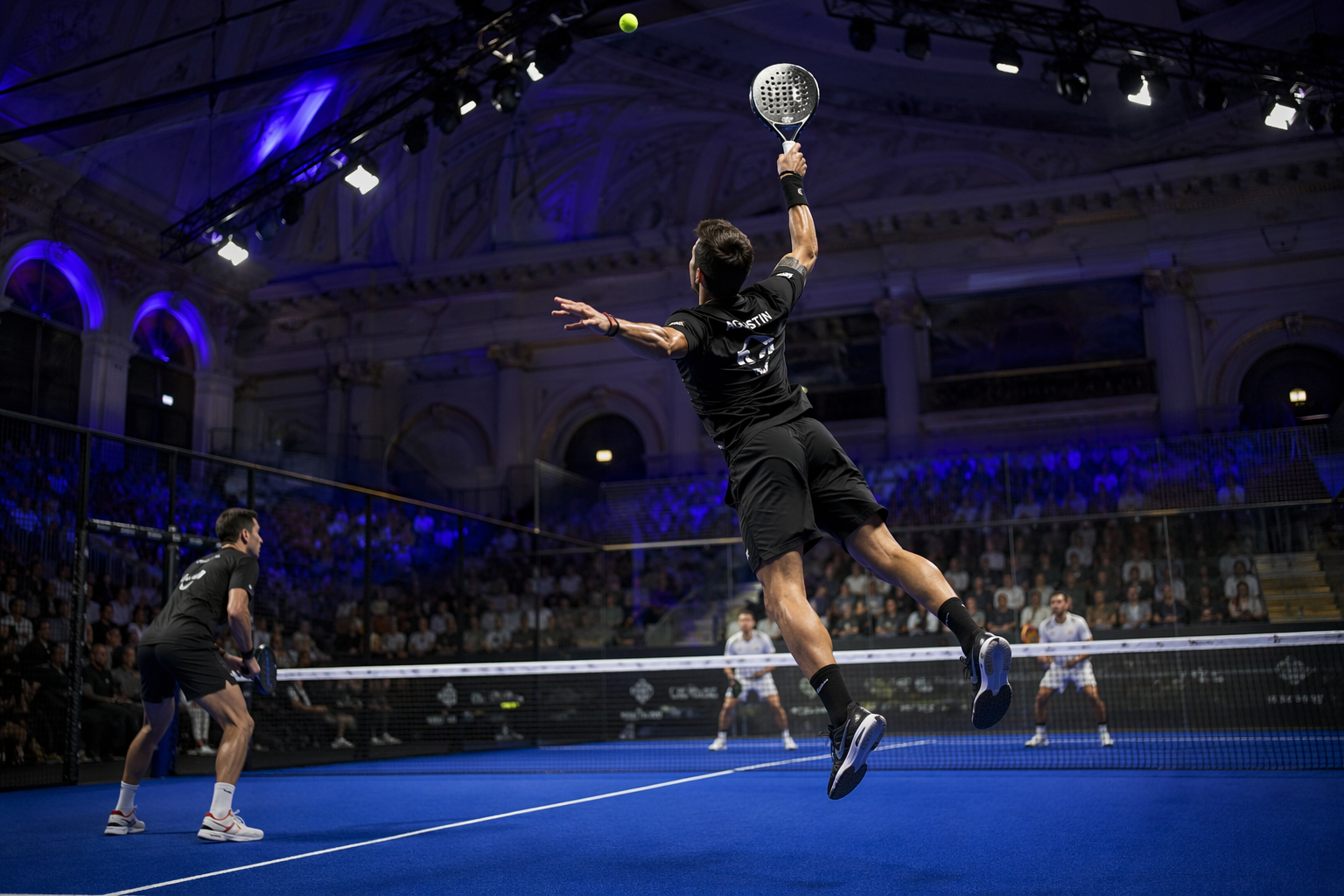
Surface, glass and light are the real performance hardware. MejorSet says its Premier Padel special-edition court is fully panoramic, with branded colours, serial numbering and official certification, and it describes the model as designed for maximum visibility during play. The company also says the court uses certified 12mm tempered glass on the panoramic back walls and sides, 5mm neoprene to reduce vibrations and breakages, and 10mm textured artificial turf aimed at traction and movement safety. Those features matter because they influence how the ball rebounds off the walls, how firmly players can push off and change direction, and how cleanly spectators and broadcasters can track the action.
Not every premium touch changes the rally, and that distinction is the one readers should keep in mind. The panoramic look, Premier Padel colours, the half-racket lamp-post design and the serial numbering read as brand language and presentation, while the dimensions, free height, glass build and turf specification are the pieces that actually alter play and broadcast quality. MejorSet’s own product language makes that split easy to see: some elements are there to certify and showcase the court, while the court geometry and materials are there to protect consistency, visibility and movement.
Britain’s market growth explains why this stage matters commercially. The Lawn Tennis Association said padel participation in Britain reached 860,000 adults and juniors by the end of 2025 and then crossed one million in 2026. That surge gives London a different kind of weight: a city with enough players, spectators and sponsor interest to justify a venue designed for elite presentation rather than a temporary exhibition setup. The sport’s first FIP Intercontinental Cup in London in April 2025 already gave the city a taste of international padel, but Premier Padel’s arrival raises the bar from novelty to infrastructure.
The executives around the London launch were talking about more than one tournament. Scott Lloyd, the LTA’s chief executive, framed the event as a way to strengthen British padel from grassroots participation to the professional tier, while David Sugden called London an opportunity to pair a world-class venue with a passionate fanbase and stronger commercial pull. Luigi Carraro, who leads the International Padel Federation, cast the event as a milestone in the sport’s international development, and Stewart Hosford tied the project to Sela’s ambition to create a benchmark padel experience in the UK. Taken together, those positions point to the same business logic: if the venue looks and performs like a true show court, the event can sell itself to players, fans and broadcasters alike.
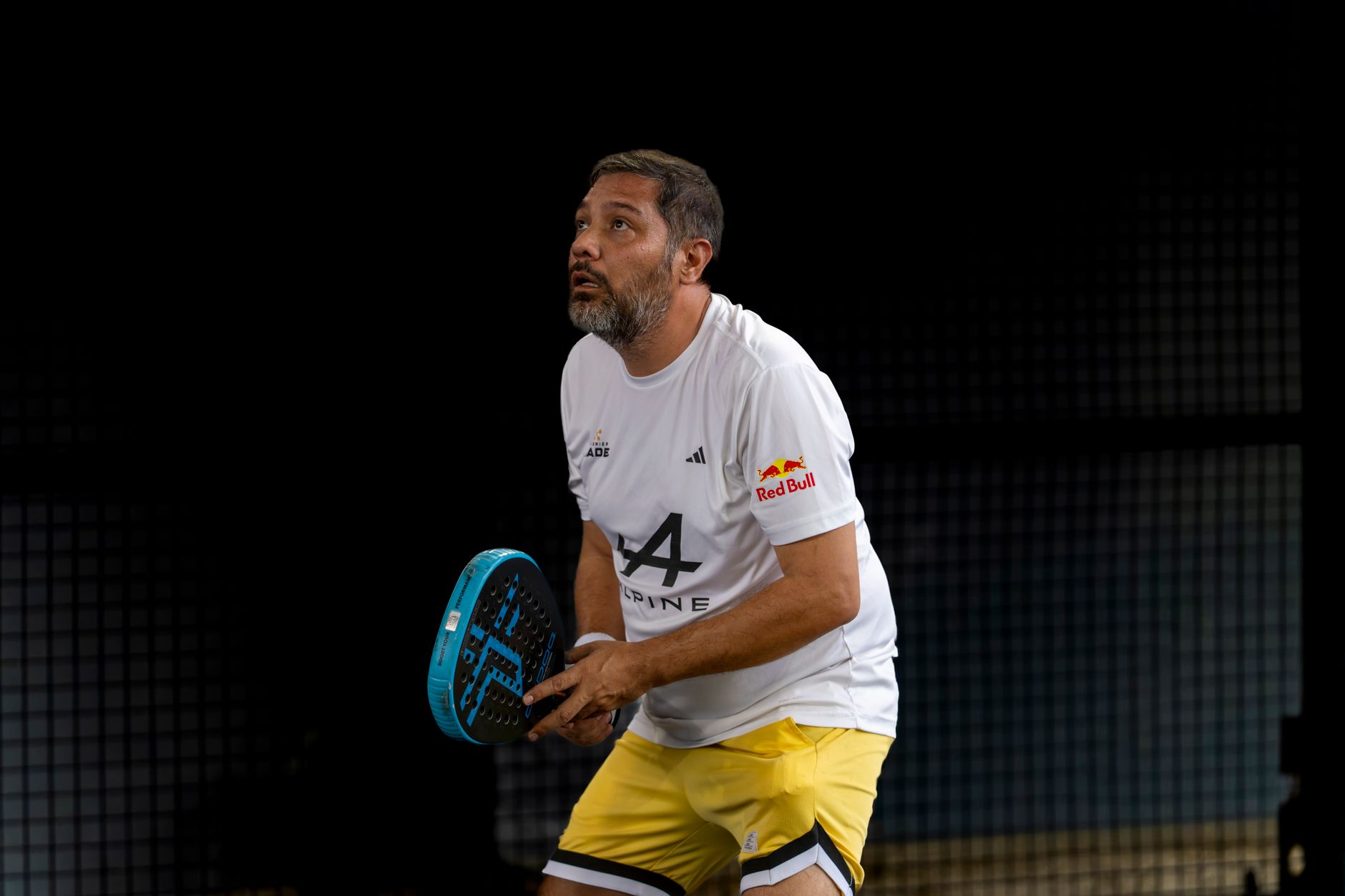
That is the real answer to what separates a Premier Padel court from an ordinary club court. A club can have the right rectangle and still miss the point if its lighting, glass quality, ceiling height and sightlines are not built for a global telecast and a packed indoor crowd. Premier Padel’s London debut is a reminder that the sport’s next growth phase will be judged not only by who wins the title, but by whether the court feels like a complete competition product from the first serve to the final point.
Sources
- [1]thepadelpaper.com
- [2]premierpadel.com
- [3]p1london.com
- [4]olympia.co.uk
- [5]mejorset.com
- [6]ltapadel.org.uk