Lynn Adams’ dominance, durability define racquetball’s legendary career

Lynn Adams was not just a great women’s racquetball player. She became the standard. The record that still frames her career is almost absurd in its consistency: USA Racquetball’s Hall of Fame says she finished every pro indoor season from 1980 through 1991 ranked No. 1 or No. 2. That kind of year-after-year control is rare in any sport, and it is the reason Adams is remembered less as a one-time champion than as the benchmark for what elite looked like.
The benchmark
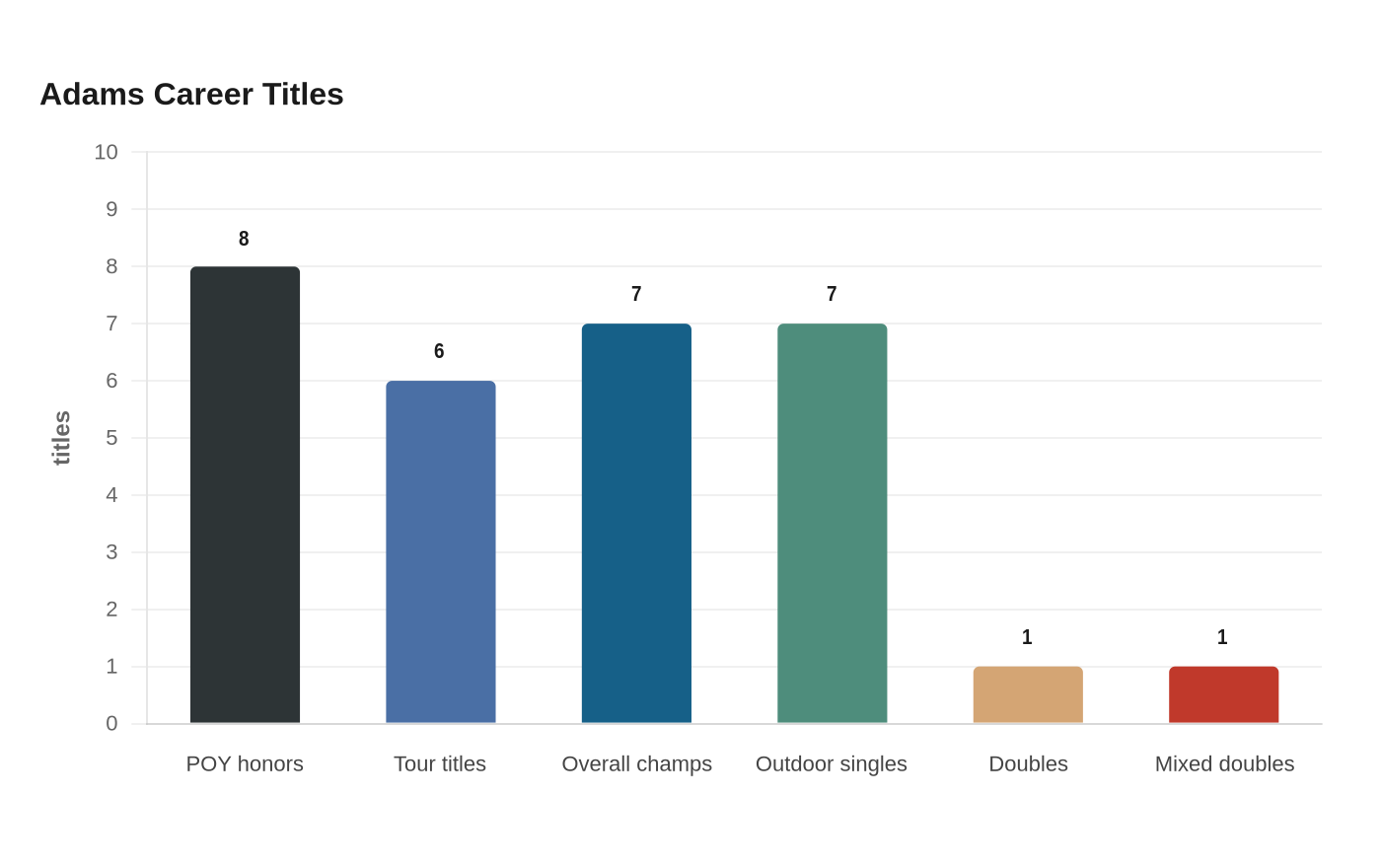
Adams’ résumé works because it is built on numbers that leave no room for exaggeration. Her Hall of Fame profile lists 325 wins in 369 professional matches, a .887 winning percentage that captures how hard she was to beat over the long haul. She also collected eight Player of the Year honors, six pro tour season titles and seven overall championships, a combination that shows she did not merely stay relevant, she stayed ahead of the field.
That distinction matters when you talk about greatness in women’s racquetball. A title run can define a season, but Adams defined an era, and the span of her results made her the reference point for the players who followed. Later stars could match parts of the résumé, but Adams built the template by pairing dominance with durability and a level of efficiency that was almost untouched.
Indoor control, season after season
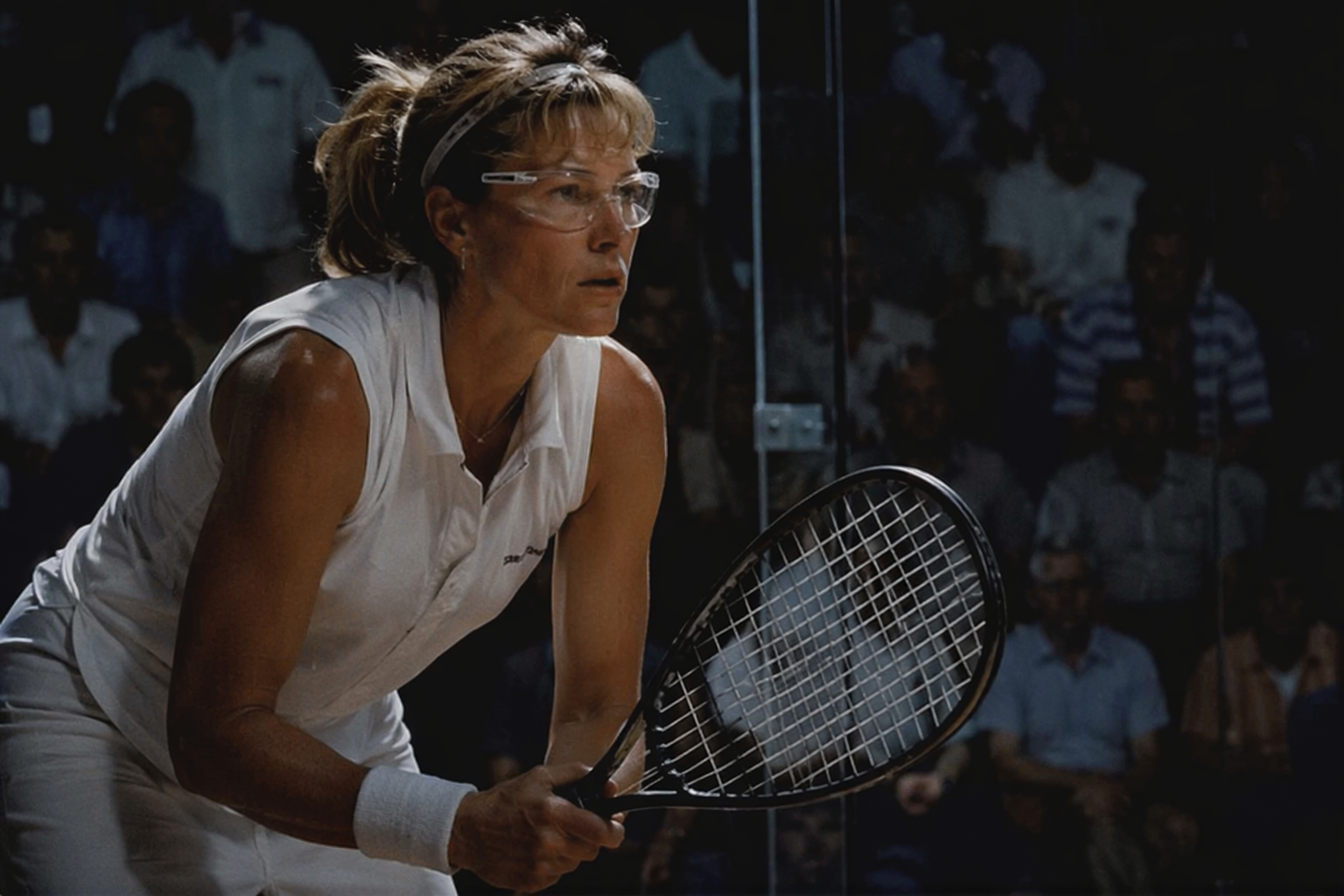
The most telling detail in Adams’ career is not one isolated peak, but the stretch from 1980 to 1991 when she lived at the top of the rankings. Being No. 1 or No. 2 every season across 12 years means she was not relying on one hot run, one favorable draw or one breakthrough year. She was a permanent fixture at the front of the indoor game, and that kind of stability is often what separates a champion from a legend.
Her six pro tour season titles add another layer to that picture. Those titles show that Adams could convert ranking consistency into actual season-long supremacy, not just accumulate points or preserve a high standing. The seven overall championships complete the case: she won enough, often enough, and across enough seasons to make her name synonymous with the top of the sport.
A career that crossed formats
Adams’ greatness becomes even more distinct when you move beyond the indoor game. The Hall of Fame record lists her as a seven-time women’s pro/open national singles champion outdoors, a reminder that her skill translated across formats rather than staying confined to one lane. Outdoor racquetball demands different adjustments, and Adams did not simply participate there, she dominated there too.
She also added titles in doubles, winning a women’s pro/open doubles championship with Marci Drexler and a pro open mixed doubles title with Jim Carson. Those victories matter because they show a player capable of adapting her game to different partners, different rhythms and different tactical demands. For anyone trying to define an elite women’s racquetball résumé, Adams supplies the broad version: singles, doubles, mixed doubles, indoor, outdoor, all of it with winning attached.
The diagnosis did not end the standard
In 1987, Adams was diagnosed with multiple sclerosis, a life-changing moment that could have altered any athlete’s career arc. Instead, she kept going, and the record says her excellence did not vanish with the diagnosis. She still won three indoor pro tour Player of the Year titles after 1987, proof that her level remained high even as she dealt with a serious medical challenge.
That part of her story deepens the meaning of the rest. It is one thing to build a Hall of Fame case on early brilliance; it is another to keep winning after a diagnosis that would have been enough to derail many careers. Adams did not turn into a sentimental comeback story so much as she extended an already elite run, and the post-1987 honors confirm that her place atop the sport was earned both before and after the diagnosis.
Why her résumé still sets the bar
Adams’ career still matters because it gives the sport a clear definition of excellence. The best women’s racquetball players who came after her could point to titles, rankings or streaks, but Adams combined all of those traits in one career and added cross-format success on top. She was consistently near the top indoors, she won outdoors, she paired well in doubles, and she kept collecting major honors after a major medical setback.
That is why her legacy holds up as more than nostalgia. The numbers are concrete, the breadth is rare, and the longevity is undeniable. When women’s racquetball greatness is measured honestly, Lynn Adams is not just part of the conversation. She is still the standard it is measured against.