Midlands padel centre edges closer to approval amid UK growth
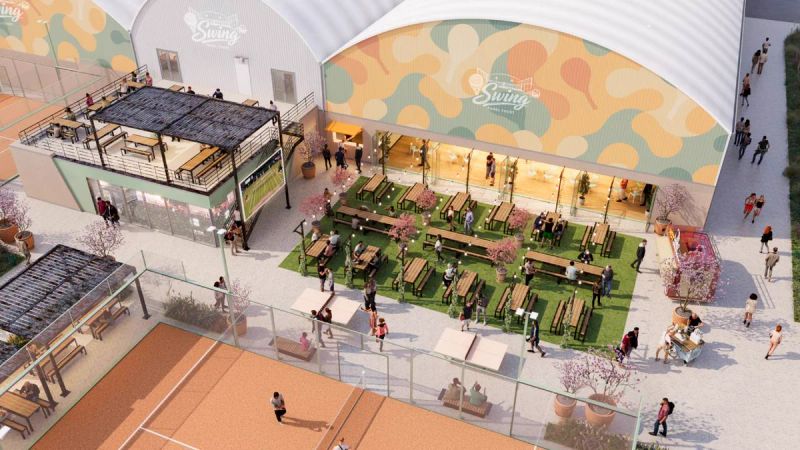
Plans for a Midlands padel centre billed as the “biggest and best padel court centre in the UK” are nearing approval, and the timing tells you where the sport is heading: beyond add-on courts and into full-scale destination builds. The latest proposal lands as padel keeps stacking up court approvals across Britain, with the Midlands becoming one of the sharpest growth pockets.
The business case is hard to miss. The Lawn Tennis Association said Great Britain reached 1,000 padel courts on 17 July 2025, and the governing body has also put the sport’s player base at more than 400,000 in May 2025, with another update citing 860,000 players in Britain. Those numbers do not describe a novelty anymore. They describe a market with enough volume to justify larger venues, more indoor space and more ambitious commercial models.
That is exactly what the Midlands is starting to produce. In Mansfield, Nottingham, plans for a £1 million padel complex were approved unanimously on 29 February 2024. Developed by UAE-based World Padel Academy, the project was described by CPMG Architects as the company’s first fully-owned UK facility. That matters because ownership changes the math. A first foothold is one thing; a fully owned site suggests a longer-term play built around operating control, local demand and repeatable expansion.

The same pattern is visible in Leicester and Nottingham. Leicester City Council approved plans for what developers said would be the city’s first padel centre, housed in three warehouse units on Barkby Road and set to include three double courts and one single court. BBC reporting also pointed to a proposed padel centre on former school land off St Oswald Road, while Nottingham had already seen approval for a former industrial unit to be redeveloped into a padel centre. In Birmingham, Powerleague already operates a padel venue, and Core Padel calls its Tyseley site the city’s premier indoor destination.
The LTA’s role also shows how quickly the sport has moved from fringe to infrastructure. It governs padel in Britain and provides guidance on facilities, construction, funding and court location, the practical stuff that follows demand once the sport stops being a curiosity. If the Midlands project clears approval, it would not just add courts. It would point to a new phase in UK padel, where the winning model is no longer one or two courts grafted onto an existing site, but a larger centre designed to hold players, money and momentum in one place.
Sources
- [1]x.com
- [2]insidermedia.com
- [3]cpmg-architects.com
- [4]ltapadel.org.uk
- [5]bbc.com
- [6]powerleague.com
- [7]corepadel.uk