Milwaukee tournament helped launch racquetball's modern era
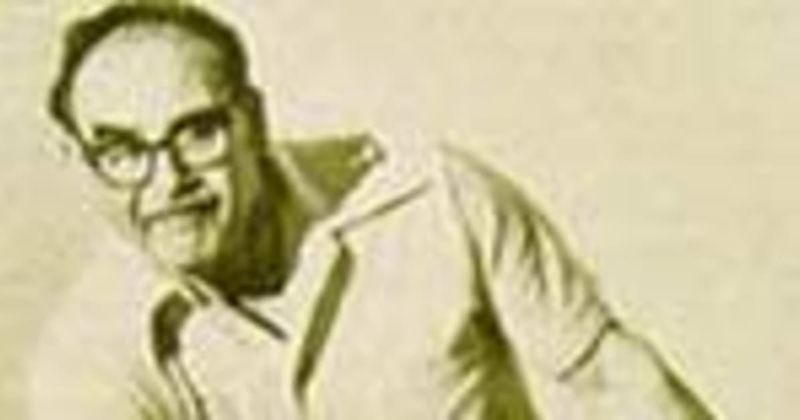
The first national racquetball tournament in Milwaukee in 1968 did more than put players on court. It gave the sport a calendar, a governing shape and a competitive standard that could be repeated.
Larry Lederman was at the center of that shift. USA Racquetball’s Hall of Fame page identifies him as the first man to organize a national racquetball tournament, and says he later became the first national commissioner while serving on the early boards of directors for the International Racquetball Association. That made him a builder of the sport’s administrative backbone at the same time the game itself was still taking form.

The clearest early marker came May 23-26, 1968, when the National Paddle Rackets Tournament was staged in Milwaukee. By 1969, the sport had moved from experiment to institution: the first official International Racquetball Association championships were held in St. Louis, and the IRA took over the National Championship with its first tournament there. The first IRA National Singles also came out of St. Louis, giving the game a fixed title event instead of a loose club showcase.
The name changed in step with the structure. The sport officially adopted the name racquetball in 1969, a word commonly credited to San Diego tennis pro Bob McInerny. Robert Kendler founded the International Racquetball Association that same year, while new paddle-racket regulations were being discussed. Those developments mattered because they standardized the rules, the branding and the championship path all at once.
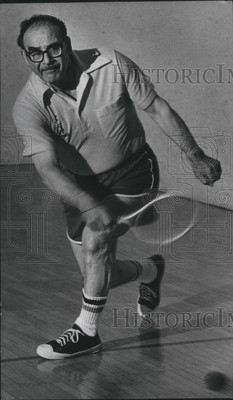
The infrastructure kept growing. USA Racquetball says the first Racquetball magazine appeared in November 1972, followed by the first National Racquetball magazine in 1973. The first NRC Pro Stop was held at the Downtown YMCA in Houston in September 1973, giving the emerging professional side a recurring stage. The US Racquetball Museum says the sport grew from around 30,000 players in 1968 to more than 10 million by the end of the 1970s.

Lederman’s role did not vanish into the past. A 2002 Congressional Record entry described him as the founding father of modern racquetball, a fitting label for a figure who helped move the sport from a Milwaukee tournament floor to a national championship system in less than a year.