Missouri Lawmakers Reject Ban on College Athlete Prop Bets Amid NCAA Gambling Scandals
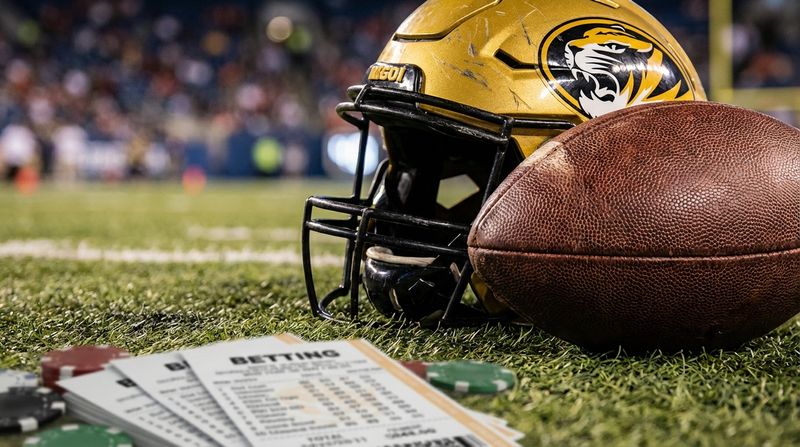
Missouri lawmakers have voted down a proposed ban on proposition bets involving college athletes, sparking renewed debate about the intersection of sports betting and collegiate athletics. The decision comes in the wake of high-profile NCAA gambling scandals that have placed a spotlight on the risks facing student-athletes and the integrity of college sports.
Background: Prop Bets and NCAA Gambling Concerns
Proposition bets—commonly known as "prop bets"—allow gamblers to wager on individual player performances or specific events within a game, such as how many points a college basketball player will score. While sports betting has expanded rapidly across the United States, regulators and the NCAA have increasingly voiced concerns that prop bets on college athletes make them vulnerable to manipulation and harassment.
Recent NCAA basketball betting scandals have intensified scrutiny, with reports of college athletes allegedly being pressured or incentivized to influence statistics for gambling purposes. These incidents have prompted several states to consider tighter restrictions or outright bans on college athlete prop bets.
Missouri’s Legislative Debate
According to reports, Missouri legislators considered a proposal to ban prop bets on college athletes during their latest session. The measure was introduced as a direct response to the growing number of NCAA gambling scandals involving student-athletes across the country. Supporters of the ban argued that removing these bets would help protect college athletes from undue pressure, potential harassment, and integrity threats to their games.
- Proponents of the ban cited recent NCAA scandals as evidence for the urgent need to shield student-athletes from betting-related risks.
- Opponents raised concerns about government overreach and the impact such a ban could have on the state’s burgeoning sports betting industry.
Despite these arguments, the proposed ban was ultimately rejected, leaving Missouri as one of several states where prop bets on college athletes remain legal and accessible for sports bettors.
National Context: States Respond to NCAA Scandals
Missouri’s decision stands in contrast to actions taken in other states. In recent years, a growing number of states have restricted or eliminated proposition betting on college athletes in response to integrity concerns and NCAA lobbying efforts. The NCAA has consistently called for a nationwide ban on college athlete prop bets to reduce the risk of game manipulation and protect student-athletes from outside influence.
However, proponents of keeping prop bets legal in Missouri argue that effective enforcement and education—not bans—are the best tools to prevent gambling-related scandals. They point to the state’s existing regulations and the economic benefits of a robust sports betting market.
Ongoing Risks and Future Outlook
The failure to pass a ban in Missouri ensures that sports books can continue to offer proposition bets on college athletes in the state. This decision comes at a time when the NCAA and university administrators are grappling with how best to shield their athletes from the pressures and risks associated with sports wagering. As the sports betting industry continues to grow, the debate over prop bets and athlete protection is likely to intensify—both in Missouri and nationwide.
For further reading on NCAA sports betting policies, visit the NCAA Sports Betting page. For current Missouri state legislative updates on sports betting, see the Missouri General Assembly.
Conclusion
Missouri’s rejection of a ban on college athlete prop bets keeps the state at the center of a national conversation about sports betting, athlete welfare, and the integrity of college sports. With the NCAA scandals fresh in public memory, the decision signals a complex balancing act between economic interests and athlete protection—a debate that is far from settled.