MLB Salary Cap Battle Intensifies as Labor Negotiations Loom
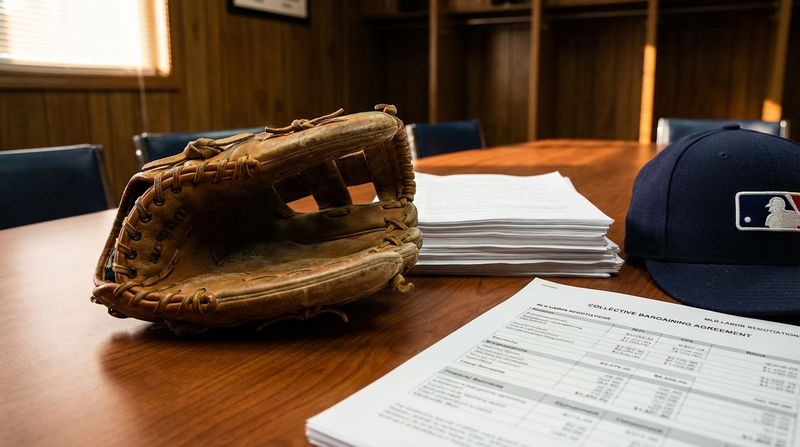
Major League Baseball faces a pivotal crossroads as the perennial salary cap dispute escalates ahead of upcoming labor negotiations. With team owners and the MLB Players Association entrenched in opposing camps, the future of baseball’s financial structure hangs in the balance, fueling debate across the sport.
The Core of the Dispute: Salary Cap vs. Luxury Tax
The primary battleground in the ongoing labor discussions centers on whether MLB should implement a strict salary cap. Currently, the league operates under a luxury tax system, penalizing teams that exceed a predetermined payroll limit. Owners argue that a hard salary cap would promote competitive balance and restrain runaway payrolls, while players contend it would artificially suppress earnings and restrict the open market for elite talent.
- MLB’s current luxury tax threshold stands at $237 million for the 2025 season.
- Several teams, including perennial contenders like the New York Yankees and Los Angeles Dodgers, regularly exceed the threshold, incurring significant penalties.
- Small-market franchises, such as the Colorado Rockies, often struggle to keep pace financially, fueling calls for a more rigid cap.
Owners’ Push for Reform
Owners advocating for a salary cap argue that it would level the playing field, allowing all teams a better shot at contention regardless of market size. They point to the success of salary caps in other leagues like the NFL and NBA, where competitive balance has been a hallmark. The financial disparity between large- and small-market teams in MLB is stark, with some clubs spending three to four times more on payroll than their rivals.
Players’ Resistance and Concerns
The MLB Players Association has historically rejected a hard salary cap, viewing it as a mechanism that would stifle player salaries and limit negotiation leverage. The union remains steadfast in defending the open-market system, arguing that the current luxury tax already acts as a de facto cap for many franchises, suppressing the upper end of player earnings.
Historical Context and Recent Developments
The salary cap debate is not new to baseball. The 1994-95 MLB strike was largely precipitated by failed negotiations over a proposed cap, resulting in the cancellation of the World Series. Since then, the luxury tax system has served as a compromise, but both sides acknowledge its limitations in a rapidly changing financial landscape.
Potential Implications for Fans and the Sport
As negotiations intensify, the threat of a labor stoppage looms if a consensus cannot be reached. Fans and analysts fear that another work stoppage could have lasting effects on the sport’s popularity, especially as baseball competes with other major leagues for attention and revenue. At stake is not only the distribution of wealth among teams and players but also the overall health and competitiveness of the league.
- Average MLB player salary in 2025 is estimated at $4.7 million.
- Top-tier free agents continue to command contracts exceeding $300 million.
- Revenue sharing and payroll limits remain contentious topics in bargaining sessions.
Looking Ahead: What’s Next for Baseball’s Labor Landscape?
Both sides are expected to present strong cases as negotiations progress, with the potential for compromise around adjusted luxury tax thresholds, expanded revenue sharing, or soft cap mechanisms. The outcome will shape MLB’s economic model for years to come, impacting players, owners, and fans alike.
As the league and union prepare for high-stakes talks, baseball enthusiasts are watching closely, hoping for a resolution that preserves the game’s integrity and accessibility while addressing the deep-rooted financial disparities that have sparked this latest round of dispute.